
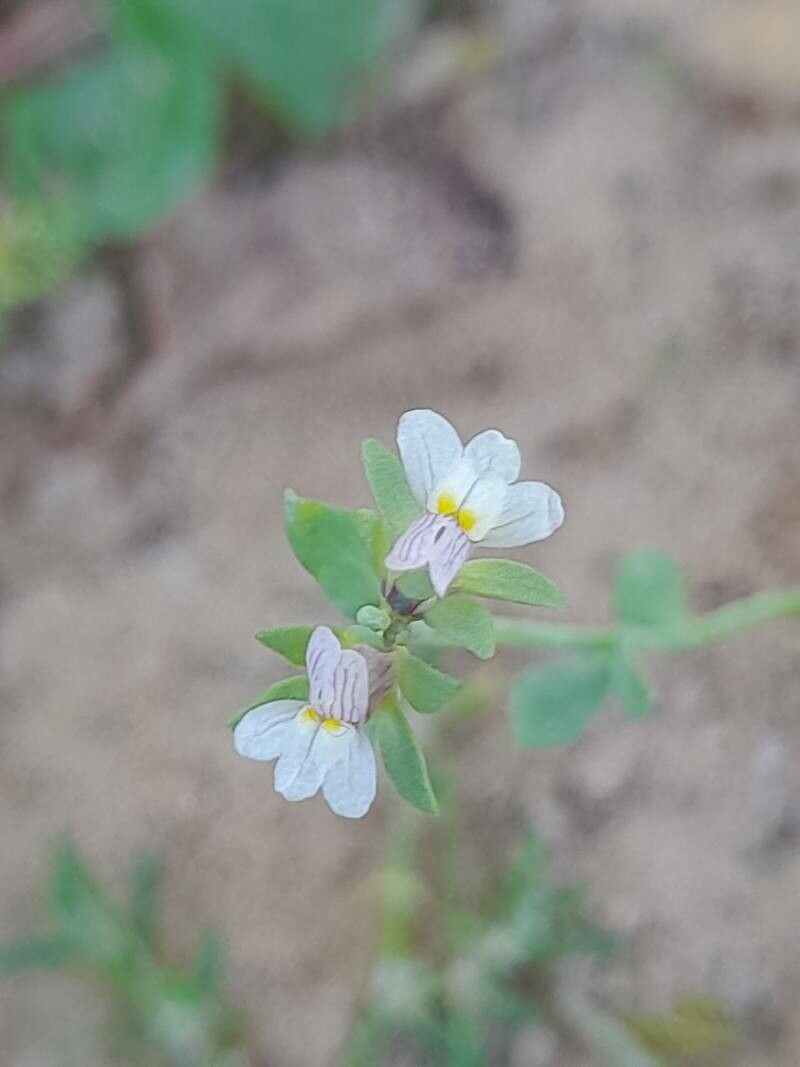
Give Your Garden a Touch of Elegance: Propagating the Striking Linaria albifrons
The Linaria albifrons, also known as the White-faced Toadflax, is a breath of fresh air in any garden. Its delicate white blooms with vibrant orange throats provide exquisite charm. However, this beauty comes with a relatively expensive price tag. Fear not, fellow plant enthusiasts! You can easily propagate Linaria albifrons at home, creating new plants at a fraction of the cost and enjoying a rewarding gardening experience.
The Power of Seeds
The most common method of propagation for Linaria albifrons is through seed. The plant produces abundant seed pods after flowering that ripen into brown, leathery pods. Here’s a step-by-step guide:
- Collecting Seeds: Once the seed pods turn brown, carefully harvest them by snipping them off the plant. Place them in a paper bag and allow them to dry in a cool, airy location for a few days.
- Sowing Seeds: Sow the seeds directly into the garden soil in early spring after the last frost or indoors in seed trays or pots during the winter months.
- Preparation: Prepare your seedbeds by loosening the soil and removing any weeds. To improve drainage, consider incorporating some sand or perlite into the soil.
- Sowing: Scatter the seeds thinly over the prepared soil, covering them lightly with a thin layer of soil. Keep the soil moist but not waterlogged.
- Germination: Expect seedlings to emerge in about 2-3 weeks, or even sooner if sown indoors under warm, sunny conditions.
- Thinning: Once the seedlings have established themselves, thin them out to ensure adequate spacing for healthy growth.
Tips for Success
- Use Fresh Seeds: For better germination rates, use recently harvested seeds.
- Light is Key: Linaria albifrons seeds require light to germinate. Don’t bury them too deeply.
- Proper Watering: Ensure the soil is consistently moist, but avoid overwatering, which can lead to fungal infections.
Beyond Seeds: Exploring Other Options
While seeds are the most common method, you can also propagate Linaria albifrons through cuttings. This technique requires a bit more patience but offers unique benefits.
- Taking Cuttings: Select healthy, non-flowering stems from the plant. Cut the stems just below a node, which is a point on the stem where leaves grow.
- Rooting Hormone: Dip the cut end of the stem in rooting hormone powder to encourage root development.
- Planting Cuttings: Insert the cutting into a pot filled with a well-draining rooting mix. Keep the soil moist but not soggy.
- Nurturing Growth: Cover the pot with a plastic bag to create a humid environment. Place the pot in a bright, indirect light location. New roots should develop within a few weeks.
Enjoying the Rewards
Propagating Linaria albifrons can be tremendously satisfying. You’ll not only save money but gain a deeper understanding of the plant’s life cycle. As you watch your new plants thrive, you’ll appreciate their delicate beauty even more. And don’t forget to share your propagated bounty with friends and family, spreading the joy of gardening.
So, embrace the vibrant beauty of Linaria albifrons and embark on your propagation journey! The process might take time, but the rewards will be well worth it.