
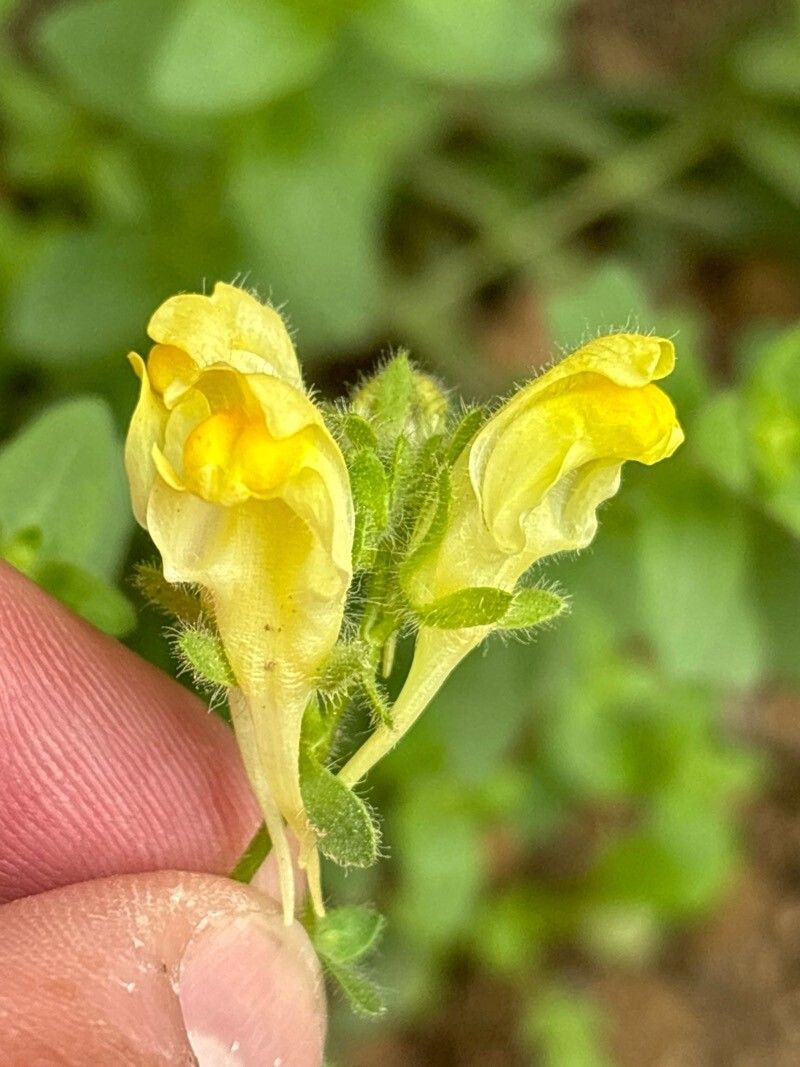
Unlocking the Secrets of Linaria Cavanillesii Propagation: A Guide to Growing This Floral Wonder
Linaria cavanillesii, with its charming, snapdragon-like blooms and graceful, trailing foliage, is a sight to behold. This Iberian Peninsula native, also known as the Spurred Toadflax, adds a touch of whimsy and elegance to gardens with its vibrant hues of purple, violet, and yellow. If you’re enchanted by this beauty and want to propagate it in your own green haven, look no further! This guide unveils the secrets to successfully propagating Linaria cavanillesii.
Two Paths to Propagation:
Linaria Cavanillesii can be propagated through two primary methods:
1. Seed Sowing:
- Timing is Key: The optimal time for sowing Linaria cavanillesii seeds is in the spring or fall.
- Sowing the Seeds:
- Indoors: Sow seeds in seed trays filled with a well-draining seed starting mix about 6-8 weeks before the last expected frost for spring sowing. Sprinkle the tiny seeds on the surface and lightly press them in, but don’t bury them. Maintain a temperature of around 65-70°F (18-21°C).
- Direct Sowing: In milder climates with fall sowing, scatter seeds directly into prepared garden beds after the last frost.
- Germination: Be patient, as germination can take 2-4 weeks. Keep the soil consistently moist but not waterlogged.
- Thinning: Once seedlings develop a few true leaves, thin them to provide adequate spacing for growth, typically about 12 inches apart.
2. Cuttings:
- The Cutting Edge: Taking cuttings is a great way to ensure you replicate the exact characteristics of a parent plant.
- When to Snip: The ideal time for taking cuttings is in the spring or early summer when the plant is actively growing.
- Making the Cut:
- Select healthy, non-flowering stems.
- Using clean, sharp shears, take cuttings that are about 3-4 inches long, making the cut just below a leaf node.
- Remove the lower leaves from the cutting, leaving a couple of pairs at the top.
- Rooting Hormone (Optional): While not essential, dipping the cut end in a rooting hormone can encourage faster and more successful root development.
- Planting the Cuttings: Insert the cuttings into a well-draining potting mix, burying the bottom node.
- Creating a Humid Environment: To promote rooting, cover the cuttings with a plastic bag or place them in a propagator to maintain high humidity.
- Rooting Time: Cuttings typically take about 3-4 weeks to develop roots. Gently tug on the cutting to check for resistance, indicating successful rooting.
Essential Care for Thriving Linaria Cavanillesii:
Whether you choose to propagate by seed or cuttings, these tips will help ensure your Linaria cavanillesii thrives:
- Sunlight: This sun-loving beauty thrives in full sun to partial shade.
- Soil: Well-draining soil is crucial to prevent root rot.
- Watering: Water regularly, especially during dry spells, but allow the soil surface to dry out slightly between waterings.
- Fertilizer: Linaria cavanillesii are light feeders. A balanced, slow-release fertilizer applied in spring is usually sufficient.
With a bit of patience and care, you’ll be rewarded with the captivating beauty of Linaria cavanillesii gracing your garden, multiplying its enchanting presence year after year.