
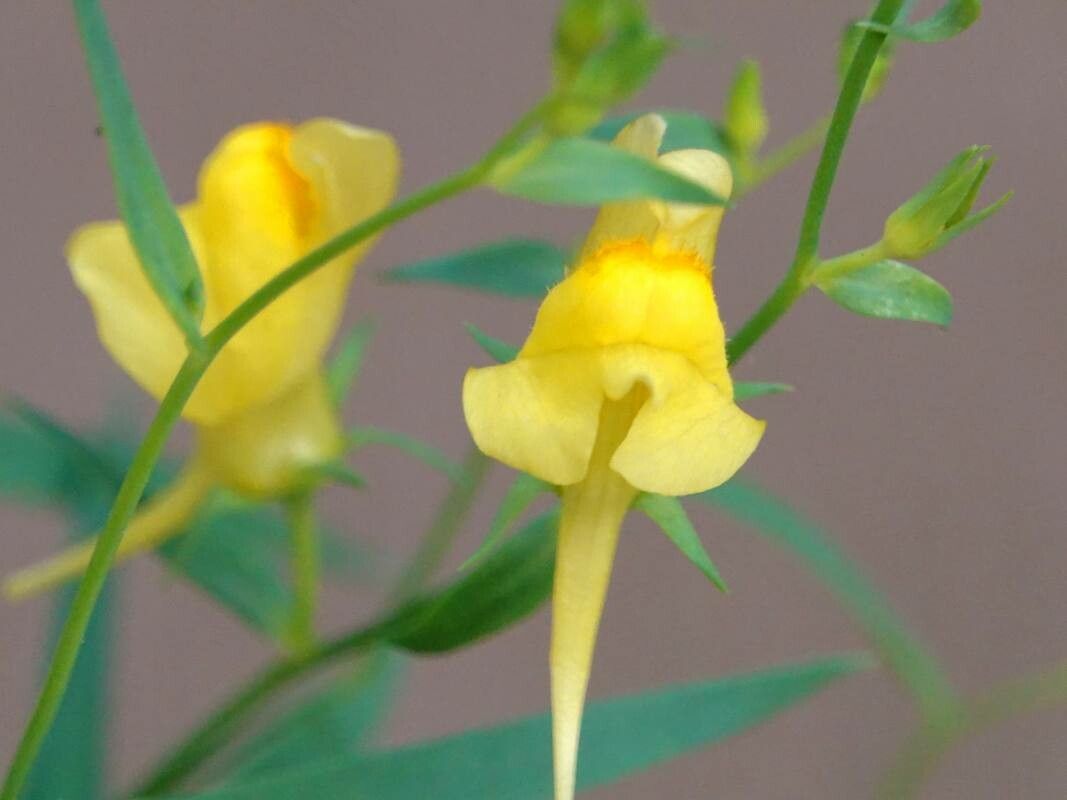
Spreading the Golden Flax: How to Propagate Linaria genistifolia
Linaria genistifolia, also known as the “toadflax” or “golden flax,” is a stunning wildflower that’s sure to brighten up any garden with its vibrant yellow blooms. While it often self-seeds readily, you might find yourself wanting to cultivate more of this beauty. Luckily, propagating Linaria genistifolia is relatively easy and can be done in a few ways, allowing you to share its charm with friends or expand your own garden.
This is the most common method for propagating Linaria genistifolia. Seeds are easily collected from spent flower stalks.
- Collect the Seeds: Once the flowers have withered, the seed pods will develop. They will turn brown and dry, at which point you can carefully collect them.
- Dry the Seeds: Scatter the seeds onto a paper towel or a tray and allow them to dry completely in a warm, dry place.
- Sow the Seeds: You can sow seeds directly outdoors in the fall or spring. For optimal results, gently press the seeds into the soil and lightly cover them. Keep the soil moist until germination occurs, which typically takes 2-4 weeks.
Tip: Seeds can even be sown in the ground after the plant has finished flowering. Simply let them drop amongst other plants and they will readily reseed themselves in the spring.
Cuttings:
For quicker results, you can propagate Linaria genistifolia from cuttings.
- Take Cuttings: Choose healthy stems that are not flowering, and snip off a 4-6 inch length, just below a node (the point where a leaf grows).
- Prepare the Cuttings: Remove the lower leaves from the cutting, leaving a few at the top. Dip the cut end of the stem into rooting hormone to stimulate root development.
- Plant the Cuttings: Plant the cuttings in a pot filled with seed-starting mix or a mixture of peat moss and perlite. Ensure the soil is moist but not soggy.
- Cover and Maintain: You can also use a propagation dome or plastic wrap to create a humid environment for the cuttings to root. Place the pot in a well-lit area but out of direct sunlight.
Tip: Keep the soil consistently moist, and new roots should emerge within a couple of weeks. Once the cuttings have rooted, you can transplant them to their permanent location.
Division:
If you already have established Linaria genistifolia plants, you can also propagate them by division. This is a great way to rejuvenate a plant and create more.
- Preparation: Choose a calm day to work on dividing your plants. A good time is early spring just before new growth emerges or in the fall after the foliage starts to die back.
- Divide the Plant: Carefully lift the plant from the ground. Use a sharp knife or garden trowel to gently separate the plant into smaller clumps. Ensure each clump has healthy roots and foliage.
- Replant the Divisions: Plant the divisions in new locations, spacing them out according to the plant’s mature size. Water them well after planting.
Beyond Propagation:
With a little care, your freshly propagated Linaria genistifolia will thrive! This plant prefers well-drained soil and full sun to partial shade. It’s a drought-tolerant species, but regular watering, especially during dry spells, is beneficial. Linaria genistifolia is a true beauty that attracts pollinators and adds a touch of wild charm to any landscape. So go ahead, spread the golden flax and enjoy this cheerful addition to your garden!