
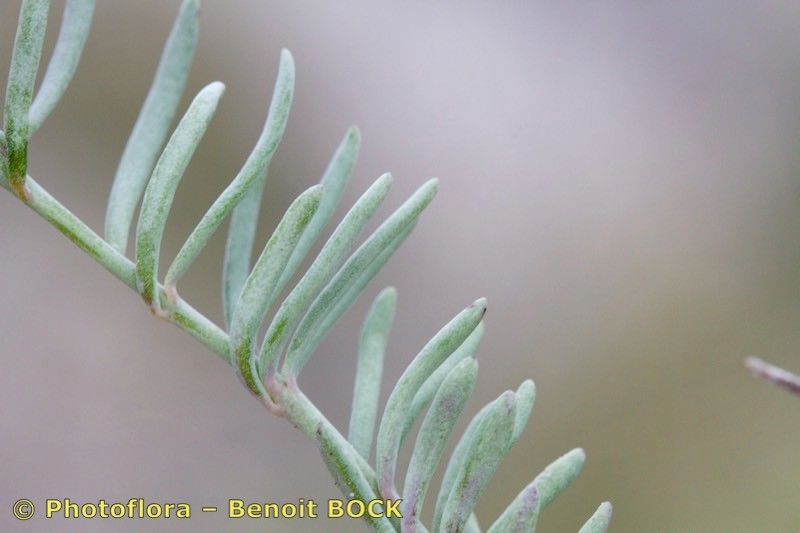
Spreading the Charm: How to Propagate Your Linaria Saturejoides
The Toadflax (Linaria saturejoides), with its cheerful, snapdragon-like blooms and delicate foliage, is a delightful addition to any garden. But did you know you can easily multiply your Toadflax plants without spending a dime on new seeds? That’s right, you can propagate your own!
This guide will explore the joys of propagating Linaria saturejoides, focusing on the easiest and most successful methods, whether you’re a seasoned gardener or just starting out.
Method 1: The Magic of Seed Propagation
- Gather Your Seeds: Linaria saturejoides produces plenty of seed pods, each containing numerous tiny seeds. Collect these pods before they fully ripen, preventing them from scattering.
- Preparing the Seeds: You can sow the seeds directly into your garden bed after the last frost. Alternatively, start them indoors in seed trays or pots filled with seed-starting mix.
- Sowing the Seeds: Spread the seeds lightly on the surface of the soil and cover them with a thin layer of soil. Water gently, ensuring the soil remains moist.
- Nurturing the Seedlings: Place your tray in a bright, warm location or under grow lights. Keep the soil moist, and within a few weeks, you should see your tiny Toadflax seedlings emerge. Once these seedlings are big enough to handle (a couple of sets of true leaves), you can gently transplant them into a larger container or directly into your garden bed.
Method 2: The Art of Cutting Propagation
- Choose Healthy Stems: Select healthy, non-flowering stems from your existing Toadflax plants. Aim for stems that are around 4-6 inches long.
- Prepare the Cuttings: Using a sharp knife or scissors, cut below a leaf node (the point where a leaf grows from the stem). Remove any leaves that will be submerged in the soil.
- Root Your Cuttings: Dip the cut end of the stem into rooting hormone powder and carefully plant them in a pot filled with a rooting mix. Keep the soil moist, and provide the cuttings with indirect sunlight.
- Waiting for Roots: Within a few weeks, your cuttings should develop roots. At this point, you can transplant them into a larger container or directly into your garden.
Tips for Success
- Timing is Key: The best time to propagate Linaria saturejoides is in the spring or early summer, when the plants are actively growing.
- Sunlight is Vital: Ensure your seedlings or cuttings receive adequate sunlight. Aim for a location with bright indirect light.
- Consistent Moisture: Maintain a consistently moist soil environment for your seedlings and cuttings. However, avoid overwatering, as this can cause root rot.
Benefits of Propagation
- Cost-Effective: Propagating your own Toadflax is free, allowing you to expand your garden without breaking the bank.
- Variety Preservation: This method guarantees you maintain the specific characteristics of your beloved Linaria saturejoides.
- A Rewarding Experience: Seeing new life emerge from your plants is a deeply satisfying experience that connects you to the natural world.
So, why not give it a try? With a bit of patience and care, you can easily propagate your own Linaria saturejoides, creating a stunning display of delicate blooms that will brighten your garden year after year.