
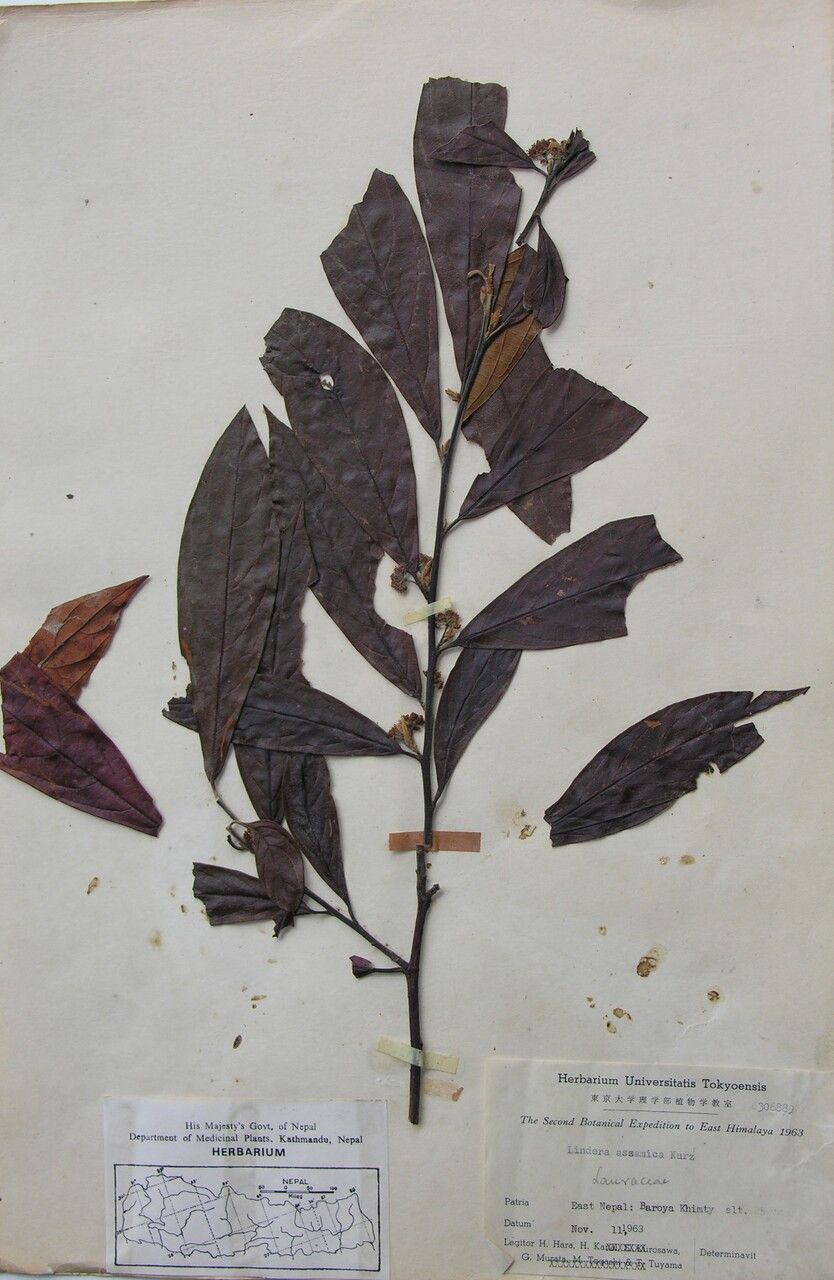
Spice Up Your Garden: Propagating Lindera assamica (Indian Spicebush)
Want a unique and aromatic addition to your garden? Look no further than Lindera assamica, also known as Indian Spicebush. This fascinating plant, prized for its fragrant leaves and berries, is a relatively new addition to the gardening world, and can be a beautiful and rewarding plant to propagate.
A Taste of History and Flavor
Native to the eastern Himalayas, Lindera assamica has been used for centuries in traditional Indian medicine and cuisine. The leaves, with a distinct flavor reminiscent of cinnamon and bay leaf, are used to flavor curries, chutneys, and teas. The bright red berries, while not edible for humans, are a favorite of birds and offer a delightful pop of color in the fall.
The Art of Propagation
Propagating Lindera assamica is a rewarding journey for any gardener. This plant can be propagated both from seeds and cuttings, each method offering its own advantages.
From Seeds to Sapling
- Time It Right: The best time to sow Lindera assamica seeds is in the spring.
- Stratification: These seeds require cold stratification, a process that mimics nature’s winter conditions, to break dormancy. Place the seeds in a moist environment (vermiculite or peat moss) inside a sealed bag or container. Store in a cool location (between 35-40°F) for 6-8 weeks.
- Sowing: After stratification, sow seeds in a seed tray or pots filled with well-drained soil. Gently press the seeds into the soil and water thoroughly.
- Patience Required: Germination can take several weeks, even months. Keep the soil consistently moist and ensure the seedlings receive plenty of indirect sunlight.
From Cutting to Companion
- Timing is Key: Take softwood cuttings from the plant in late spring or summer. Choose healthy, non-flowering stems with new growth.
- Prepare the Cutting: Cut the stem just below a node, leaving 3-4 leaves on the cutting. Remove the lowest leaves.
- Hormonal Boost: Dip the bottom 1/2 inch of the cutting in rooting hormone powder.
- Start Afloat: Place the cutting in a pot containing a well-drained rooting medium (peat moss/perlite mix or vermiculite). Water thoroughly and place the pot in a bright, humid location.
- Patience is Your Friend: Root development can take several weeks. Be patient, and keep the soil moist, not soggy.
General Propagation Tips
- Choose healthy plants: The success of any propagation method depends on the health of the parent plant. Ensure the plant is disease and pest-free.
- Provide proper care: Once your propagated Lindera assamica plants are established, they require well-drained soil, plenty of sunlight, and regular watering.
- Enjoy the process: Growing and caring for Lindera assamica is a fulfilling experience. The plant’s unique fragrance and aesthetic allure will bring joy to your garden for years to come.
More Than a Plant
Lindera assamica is more than just a beautiful plant. It’s an intriguing piece of history, a flavorful ingredient, and a rewarding project for any gardener. So, give it a try and watch your garden flourish with a touch of the exotic!