
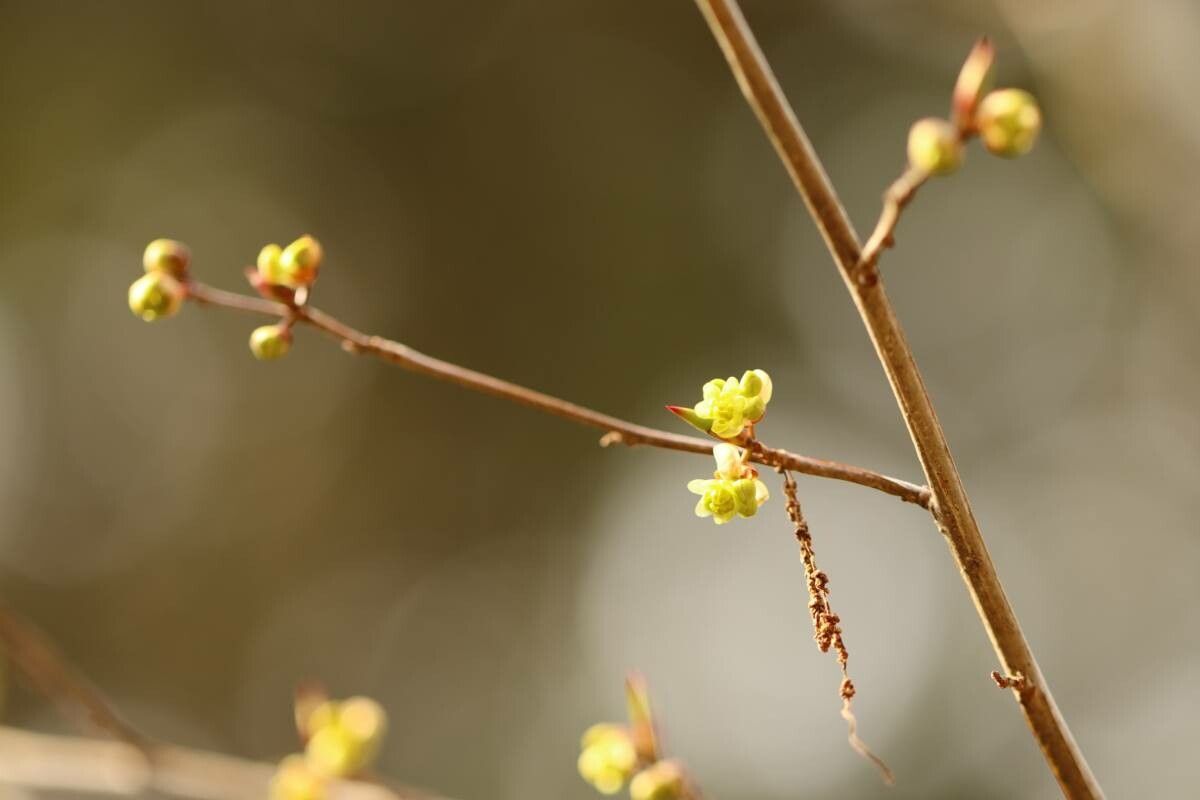
Propagating Lindera praecox: Challenges and Rewards of Cultivating Spicebush
Lindera praecox, commonly known as spicebush or Japanese spicebush, is a captivating deciduous shrub prized for its fragrant foliage, attractive berries, and striking fall color. Its elegant form and adaptability make it a popular choice among gardeners seeking a low-maintenance, yet visually appealing addition to their landscapes. However, propagating this beautiful plant presents unique challenges, making successful cultivation a rewarding endeavor. Its relative rarity in cultivation compared to its North American counterpart, Lindera benzoin, also contributes to the interest in its propagation.
Seed Germination:
Currently, there are no known reliable methods for seed germination propagation of Lindera praecox. While seeds are produced, the germination rate is extremely low, and even with stratification techniques (exposure to cold temperatures to break dormancy), success remains inconsistent. This is likely due to complex dormancy requirements and potentially low seed viability.
Cuttings:
Propagating Lindera praecox via cuttings offers a more reliable approach than seed germination. Semi-hardwood cuttings taken in late summer or early autumn generally yield the best results.
- Challenges: Successful rooting requires careful attention to detail. The cuttings are prone to fungal diseases and desiccation if not handled properly. The rooting process can be slow, taking several weeks or even months.
- Practical Tips: Use a sharp knife or shears to take cuttings approximately 4-6 inches long, removing lower leaves to prevent rotting. Dip the cuttings in a rooting hormone before planting them in a well-draining potting mix, such as a mixture of perlite and peat moss. Maintain high humidity using a propagator or covering the cuttings with a plastic bag. Consistent moisture is critical. Bottom heat can significantly improve rooting success.
- Rewards: Cuttings offer a way to quickly produce genetically identical plants, preserving desirable traits of the mother plant. This method is suitable for smaller-scale propagation.
Division:
Division is a viable method for propagating Lindera praecox, particularly for established, larger plants.
- Challenges: This method is only suitable for mature plants with well-developed root systems, limiting its applicability. Improper division can severely damage the parent plant and reduce its vigor.
- Practical Tips: Divide the plant in the early spring or fall when the plant is dormant. Ensure each division contains sufficient roots and healthy stems. Plant the divisions immediately in a similar environment to the parent plant. Water well after planting.
- Rewards: Division is a relatively straightforward method that allows quick establishment of new plants, providing immediate visual impact. It is simple and requires less specialized equipment.
Tissue Culture:
Tissue culture offers a potential, albeit specialized, route for propagating Lindera praecox.
- Challenges: This method requires specialized equipment, sterile conditions, and expertise in plant tissue culture techniques. It’s expensive and time-consuming, making it generally unsuitable for home propagation.
- Practical Tips: Sterile explant preparation, the correct media formulations (containing plant growth regulators), and meticulous aseptic techniques are crucial for success.
- Rewards: Tissue culture allows for rapid multiplication of genetically identical plants, providing a means for large-scale propagation and rapid distribution of desirable cultivars. It also offers the potential to produce disease-free plants.
Conclusion:
Propagating Lindera praecox presents various challenges across different methods. While seed germination remains unreliable, cuttings offer a relatively accessible and effective method for home gardeners. Division is an option for established plants, while tissue culture offers large-scale propagation potential for nurseries and commercial growers. Considering the difficulty of its reproduction, the success of cultivating this fragrant shrub is all the more fulfilling. The unique fragrance of its foliage and the beauty of its berries reward the patience and effort invested in its propagation, making it a highly rewarding plant to cultivate. For beginner propagators, we recommend starting with cuttings and embracing the learning process. Each successful propagation solidifies a connection with nature and the satisfaction of bringing this beautiful and unique plant to life.