
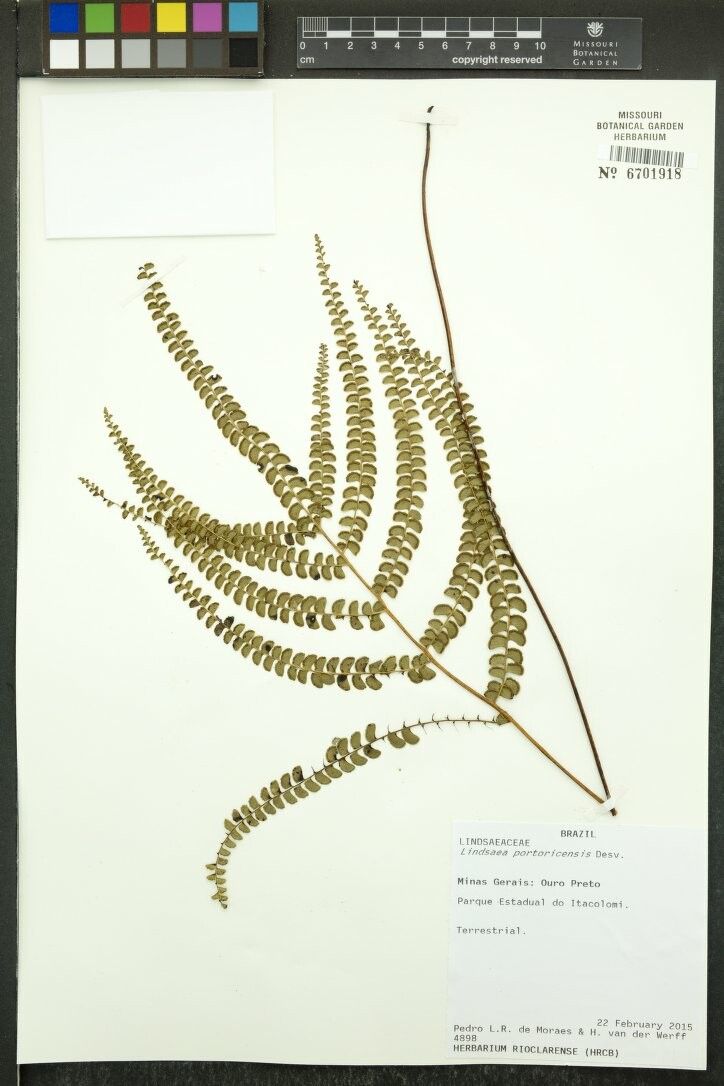
Unlocking the Secrets of the Puerto Rican Lace Fern: A Propagation Guide
The Puerto Rican Lace Fern, scientifically known as Lindsaea portoricensis, is a captivating plant with delicate, lace-like fronds that bring a touch of tropical elegance to any space. While finding this fern in your local plant shop might be a stroke of luck, propagating your own is a rewarding endeavor that allows you to expand your plant family and share the beauty of this unique species.
This guide explores the ins and outs of propagating Lindsaea portoricensis. Don’t worry; you won’t need a degree in botany to be successful!
Understanding the Fern Life Cycle: A Spore-ific Story
Unlike many plants that reproduce through seeds, ferns have a two-part life cycle revolving around spores. These tiny, dust-like particles are produced on the underside of the fronds in structures called sori. When mature, spores are released and, under the right conditions, develop into small, heart-shaped structures known as gametophytes.
The gametophyte is a separate, independent stage of the fern’s life cycle. It produces both male and female reproductive organs, and fertilization occurs when sperm from one gametophyte reaches the egg of another. This union leads to the development of the familiar fern plant, known as the sporophyte.
Propagating Lindsaea portoricensis: Two Paths to Success
1. Spore Propagation: A Test of Patience
Propagating ferns from spores requires a bit more patience and precision, but it’s an incredibly rewarding process. Here’s how you can do it:
- Collecting Spores: Look for mature sori on the underside of the fronds. They will appear dark brown or black when ready. Carefully scrape the spores onto a clean piece of paper.
- Preparing the Potting Mix: Use a well-draining, sterile potting mix. A blend of peat moss, perlite, and vermiculite works well.
- Sowing the Spores: Sprinkle the spores thinly over the surface of the moistened potting mix. Don’t bury them.
- Creating a Humid Environment: Cover the pot with a clear plastic bag or place it in a propagator to maintain high humidity.
- Providing Indirect Light: Place the pot in a bright location but out of direct sunlight.
- Waiting Game: It can take several weeks or even months for spores to germinate. Be patient and ensure the potting mix remains consistently moist but not soggy.
2. Division: A Simpler Approach
For a quicker and easier method, division is the way to go. Here’s how to propagate your Lindsaea portoricensis through division:
- Timing is Key: Spring is the optimal time to divide your fern.
- Gently Remove the Fern: Carefully remove the fern from its pot.
- Identify Natural Divisions: Look for natural clumps of fronds with their own root system.
- Separate the Divisions: Using a clean, sharp knife or your fingers, gently separate the chosen divisions.
- Potting the Divisions: Plant each division in a well-draining potting mix, ensuring the crown of the fern is level with the soil surface.
- Water Thoroughly: Water the newly potted divisions thoroughly and place them in a humid environment with indirect light.
Caring for Your New Fern Offspring
Whether you choose spore propagation or division, providing the right care is crucial for your new Lindsaea portoricensis plants to thrive:
- Humidity is Key: Maintain high humidity levels by misting the fronds regularly or using a humidifier.
- Indirect Light, Please: Place your ferns in a bright location but out of direct sunlight.
- Watering Wisely: Keep the potting mix consistently moist but never soggy.
- Temperature Matters: Aim for temperatures between 60-75°F (15-24°C).
Propagating Lindsaea portoricensis is a journey of patience and observation. By understanding its unique life cycle and providing the proper care, you can successfully propagate this enchanting fern and enjoy its delicate beauty for years to come.