
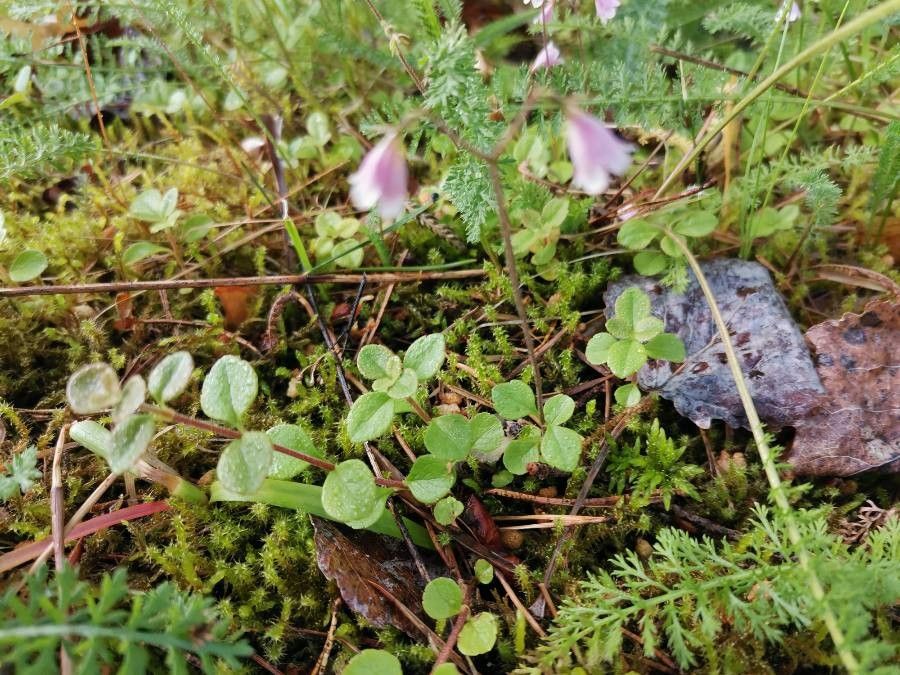
Whispers of the Woods: How to Propagate the Enchanting Twinflower (Linnaea borealis)
The Linnaea borealis, more charmingly known as the twinflower, is a plant steeped in delicate beauty and fascinating history. Named after the renowned botanist Carl Linnaeus, this creeping evergreen graces woodland floors with its trailing stems and exquisite, nodding, twin blooms. If you, like many, are captivated by this shy woodland dweller and dream of encouraging its presence in your garden, then mastering its propagation is key.
While notoriously slow-growing and somewhat particular about its environment, propagating twinflower is an achievable feat with a bit of patience and the right techniques.
Methods of Propagation:
Twinflower can be propagated through two primary methods:
Challenges: Twinflower seeds are notoriously fickle and have a low germination rate. They require specific conditions to thrive, making this method better suited for experienced gardeners.
- Process: If you’re up for the challenge, collect mature seeds in late summer and sow them immediately in a mix of peat moss and sand. Maintain high humidity and a cool environment. Be patient, as germination can take months or even a full year.
Vegetative Propagation:
Advantages: This method, particularly layering, boasts a much higher success rate and is generally recommended for propagating twinflower.
- Layering Technique:
- Choose a Healthy Stem: Select a long, flexible stem from an established twinflower plant.
- Prepare the Layering Spot: Lightly wound a section of the chosen stem by gently scraping off a small portion of the outer layer.
- Bury the Stem: Pin the wounded section of the stem beneath the soil surface, ensuring the tip of the stem remains above ground. You can use a small rock or landscape pin to hold it securely in place.
- Keep Moist: Maintain consistent moisture around the buried section.
- Patience is Key: Allow several weeks for roots to develop from the wounded area. You can gently tug on the stem to check for resistance, signaling root development.
- Separation: Once roots are established, carefully cut the newly rooted stem away from the parent plant.
- Transplant: Plant the rooted section in a suitable location, replicating the twinflower’s preferred growing conditions.
Ideal Growing Conditions for Twinflower:
- Light: Twinflower thrives in dappled shade or partial sun. Avoid direct sunlight, which can scorch the delicate foliage.
- Soil: Well-drained, acidic soil rich in organic matter is essential.
- Moisture: Consistent moisture is crucial, but avoid waterlogged conditions. Mulch can help retain moisture.
A Note of Caution:
Twinflower is a protected species in some areas. Always ensure you are ethically sourcing your plants or seeds and comply with local regulations.
Propagating twinflower, though requiring patience and a gentle hand, is incredibly rewarding. Successfully establishing these delicate beauties in your garden means inviting whispers of the wild and a touch of botanical history into your outdoor haven.