
Propagating Linum breweri: A Gardener’s Guide to the Brewer’s Flax
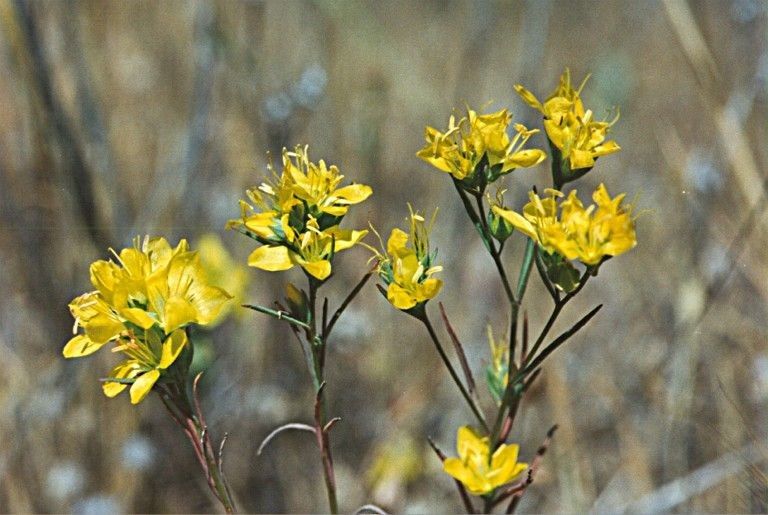
Linum breweri, commonly known as Brewer’s flax, is a captivating annual wildflower prized for its delicate, sky-blue flowers and graceful habit. Native to California, this charming plant has earned a place in many gardeners’ hearts due to its beauty and adaptability. However, its propagation isn’t always straightforward. Its relatively short lifespan and specific environmental needs present certain challenges for those seeking to expand their stock. This article explores various methods of propagating Linum breweri, weighing their pros and cons.
Seed Germination:
While Linum breweri produces seeds, germination can be erratic and challenging. Freshly collected seeds offer the best chance of success. Challenges include a hard seed coat that can hinder water uptake and a requirement for specific temperature and moisture conditions.
Practical Tips: Scarification (gently nicking the seed coat with sandpaper) may improve germination rates. Sowing seeds directly outdoors in autumn after the first rains, mimicking natural conditions, is often recommended. Alternatively, winter sowing techniques, where seeds are sown in containers outdoors and exposed to natural temperature fluctuations, can be tried. Maintaining consistently moist (but not waterlogged) soil is crucial.
Rewards: If successful, seed propagation offers the greatest genetic diversity, resulting in a more robust and varied population. It also allows for large-scale propagation, which is beneficial for conservation efforts or large-scale landscaping projects.
Cuttings:
Currently, there are no known reliable methods for propagation of Linum breweri from cuttings. The plant’s soft, herbaceous stems appear to be unsuitable for rooting.
Division:
Division is not a practical method for propagating Linum breweri. This is primarily due to its annual life cycle; it doesn’t form robust root systems suitable for dividing.
Tissue Culture:
Tissue culture is a technically advanced propagation method and has not been extensively studied for Linum breweri. Although potentially offering a high success rate for large quantities, it requires specialized equipment, a sterile environment, and expertise in plant tissue culture techniques. Therefore, it is not a practical option for the home gardener.
Conclusion:
Propagating Linum breweri presents unique challenges. While seed germination offers the most accessible (though unreliable) method, success depends heavily on mimicking the plant’s natural environment. Other methods such as cuttings and division have proved largely unsuccessful. Tissue culture, though potentially yielding high success, is beyond the reach of most hobbyists.
The effort required to successfully propagate Brewer’s flax, however, is handsomely rewarded. The delicate, airy blossoms and graceful form of this beautiful annual plant are a testament to the satisfying connection between gardener and nature. The sense of accomplishment derived from nurturing these tiny seeds into flowering plants instills a deeper appreciation for the plant’s tenacity and beauty. For aspiring propagators, patience, attention to detail, and a healthy dose of persistence are essential for success. Experimentation with slightly different seed sowing times and methods might increase your chances of reward. Don’t be discouraged by initial setbacks – the exquisite blooms of Linum breweri make the journey worthwhile.