
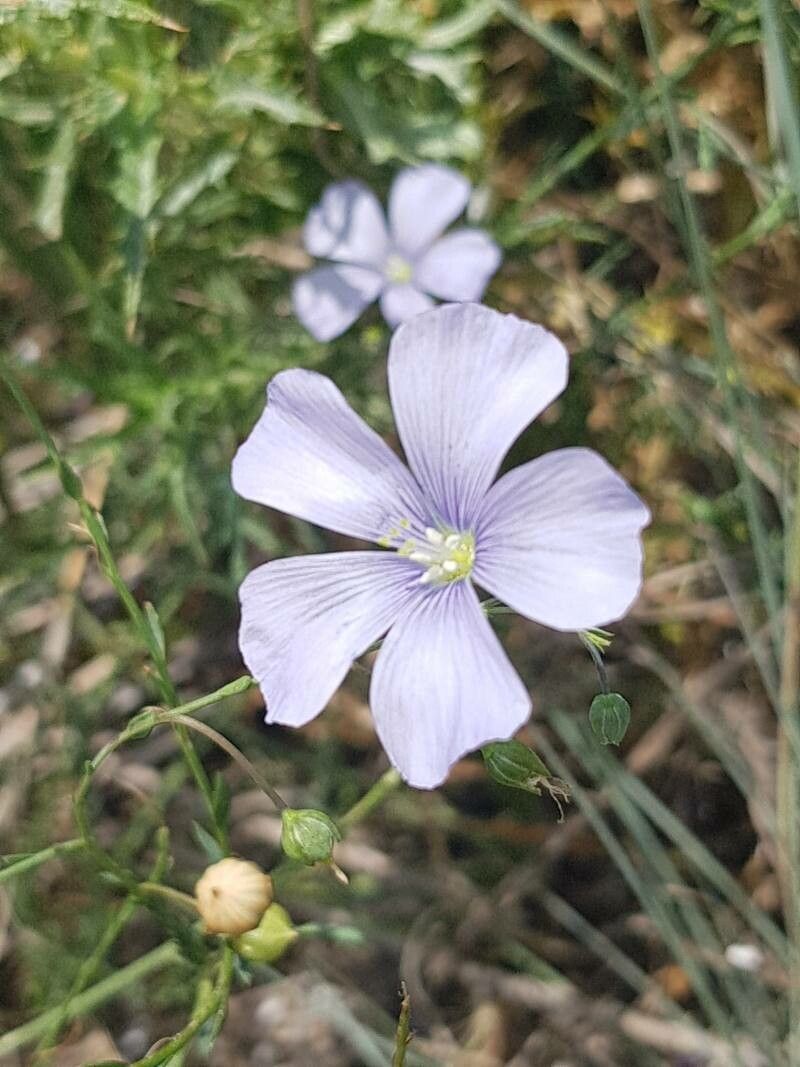
From Tiny Seeds to Blooming Beauty: Propagating Linum Squamulosum, the Flax with a Flair
Linum squamulosum, a captivating wildflower with its delicate blue blooms and intriguing name, is a treasure for any garden. But how do you bring this beauty into your own space? The answer lies in the art of plant propagation! While some may think this sounds complicated, propagating Linum squamulosum is actually quite simple and rewarding. Let’s dive into the world of seeds and cuttings to unveil the secrets of bringing this fascinating flax to life.
Starting from Seed: A Journey from Tiny to Tall
Linum squamulosum prefers to sprout in the cool embrace of fall or early spring. Direct sowing in the garden is the preferred method. Here’s a step-by-step guide to ensuring successful germination:
- Prepare the Soil: Choose a sunny spot with well-drained soil. Linum squamulosum loves sandy or gravelly conditions, so if your soil is heavy, consider amending it with sand or gravel.
- Sow the Seeds: Simply scatter the tiny seeds over the prepared soil and lightly cover them with a thin layer of soil. Don’t bury them deep, as they need light to germinate.
- Water Gently: Mist the soil regularly, keeping it evenly moist but not waterlogged.
- Patience is Key: Germination takes time, typically 14-21 days. Be patient, and soon you’ll see tiny green sprouts emerging.
- Thin Out as Needed: Once your seedlings strengthen, thin them out to allow for healthy growth. Give each plant about 6-12 inches of space.
Taking Cuttings: A Quick & Easy Alternative
For a faster route to blooming, consider taking cuttings from an established Linum squamulosum plant. This method is best done in the early spring or late summer. Here’s how:
- Select Healthy Stems: Choose non-flowering stems that are about 4-6 inches long. Focus on stems with good, vibrant growth.
- Make a Clean Cut: Use a sharp knife or pruning shears to make a clean cut just below a leaf node.
- Remove Lower Leaves: Remove the leaves from the bottom 1-2 inches of the cutting to prevent rotting.
- Dip in Rooting Hormone (Optional): Applying a rooting hormone powder can encourage quicker root development.
- Pot in Moist Soil: Plant your cuttings in a pot filled with a well-draining potting mix. Keep the soil moist but not soggy.
- Provide Indirect Light: Place the pot in a bright location, but avoid direct sunlight which can scorch the delicate cuttings.
- Watch for Roots: Within a few weeks, you should see signs of root development. Once established, your cuttings can be transplanted into the garden.
Important Tips for Success
- Water Wisely: Linum squamulosum prefers moderate watering, allowing the soil to dry slightly between waterings.
- Enjoy the Bloom: While Linum squamulosum is a delightful perennial, it can sometimes act like a biennial, blooming beautifully in its second year.
- Deadhead for Continued Bloom: Once the flowers fade, pinch off the spent blooms to encourage more flowers throughout the season.
From a Single Seed to a Garden Filled with Beauty
Whether you choose to start from seed or take cuttings, propagating Linum squamulosum is a journey of growth and beauty. You’ll soon be rewarded with clusters of delicate blue blooms that add a touch of elegance to your garden. So, dive into the world of propagation and enjoy the satisfaction of bringing this captivating wildflower to life in your own backyard.