
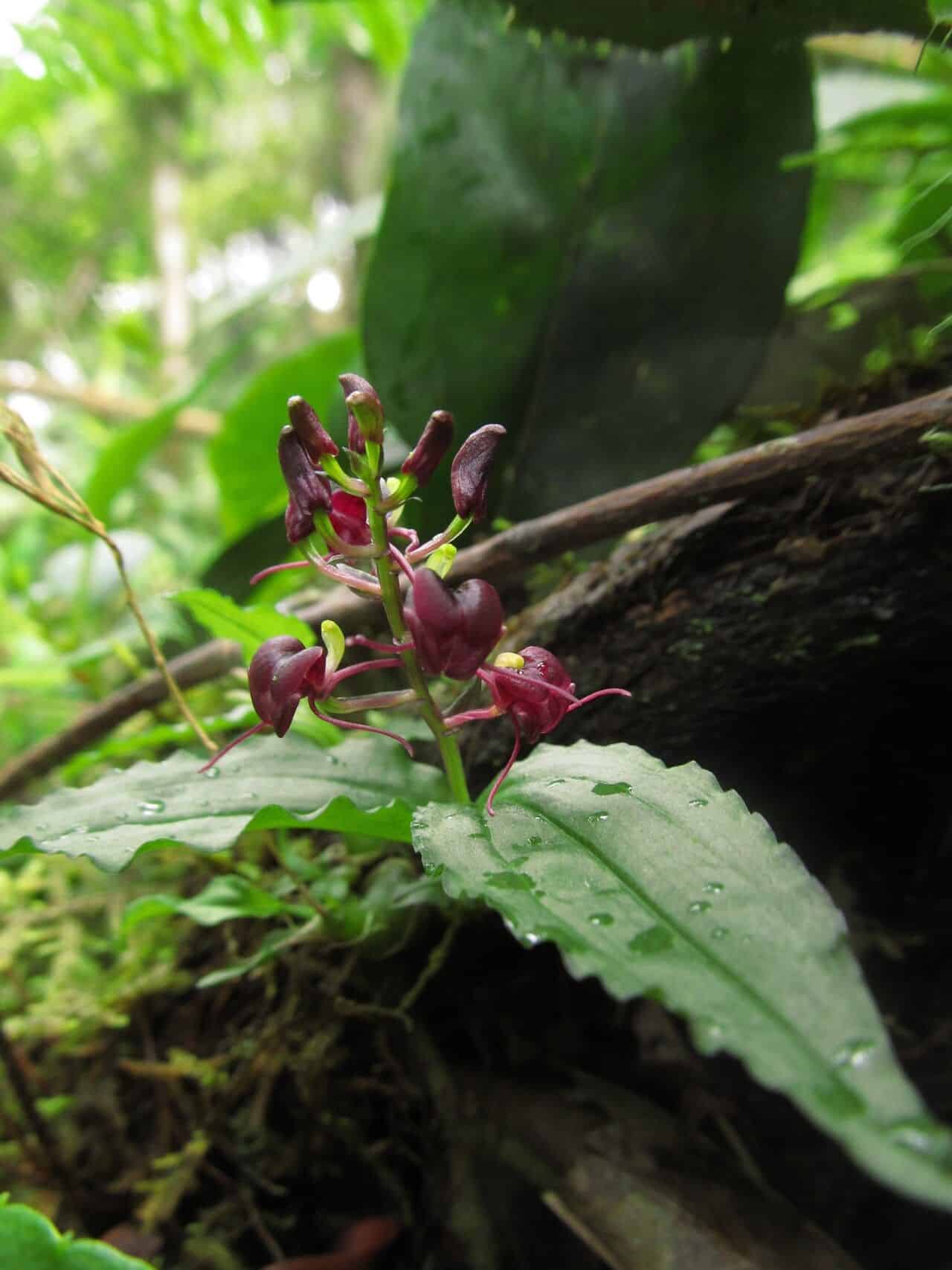
Unveiling the Mysteries: Propagating the Elusive Liparis deistelii Orchid
The Liparis deistelii, a small yet captivating orchid native to Southeast Asia, is a coveted gem among orchid enthusiasts. Its delicate, fan-shaped leaves and charming, translucent flowers hold a certain allure for those seeking a unique addition to their collection. However, propagating this exquisite species can seem like a daunting task, shrouded in a veil of mystery. Fear not, fellow plant lovers, for we’re about to unravel the secrets to successfully multiplying your Liparis deistelii.
Before we delve into the techniques, it’s crucial to understand the plant’s natural propagation methods. In the wild, Liparis deistelii reproduces through two primary ways:
1. Seed Propagation: This method, while common in nature, presents a significant challenge for home growers. Liparis deistelii seeds are incredibly tiny and lack endosperm, the nutrient-rich tissue found in most seeds. This means they require specific symbiotic fungi to germinate, making home cultivation from seed a highly specialized and complex endeavor.
2. Vegetative Propagation: This method, involving the growth of new plantlets from existing plant parts, offers a more accessible route for propagating Liparis deistelii at home. Let’s explore two effective vegetative propagation techniques:
a) Keiki Division: “Keiki” is a Hawaiian term for “baby,” and rightfully so, as it refers to miniature plantlets that sprout from the orchid’s stem nodes. These adorable clones are a sure sign of a healthy and happy Liparis deistelii. Once the keiki develops a few roots of its own (at least 2-3 cm long), you can carefully detach it from the mother plant using a sterilized sharp knife or scissors. Plant the keiki in a well-draining orchid potting mix, ensuring the base of the plant sits just above the soil line. Maintain humidity and warmth to encourage healthy root establishment.
b) Backbulb Division: This method takes advantage of the Liparis deistelii’s pseudobulbs, the swollen stem bases that store water and nutrients. As the plant matures, older pseudobulbs may lose their leaves but remain viable for propagation. Carefully remove a healthy, leafless backbulb from the main plant, ensuring it has at least one dormant growth node. Place the backbulb on a bed of moist sphagnum moss, keeping it in a warm, humid environment with indirect light. With patience, a new growth shoot should emerge from the dormant node, eventually developing into a new plant.
Essential Tips for Successful Propagation:
- Timing is key: It’s best to propagate your Liparis deistelii during the active growing season, typically spring to early summer. This period provides optimal warmth and light for robust growth.
- Sterilization is paramount: Always use sterilized tools and pots to prevent the spread of diseases to your delicate orchid.
- Patience is a virtue: Propagating Liparis deistelii takes time. Don’t be discouraged if you don’t see results immediately. Maintain proper care, and your patience will eventually be rewarded with new life.
Propagating Liparis deistelii might seem intimidating at first, but armed with knowledge and a dash of patience, you can successfully multiply this mesmerizing orchid and share its beauty with fellow plant enthusiasts. So, go forth, propagate, and may your Liparis deistelii collection flourish!