
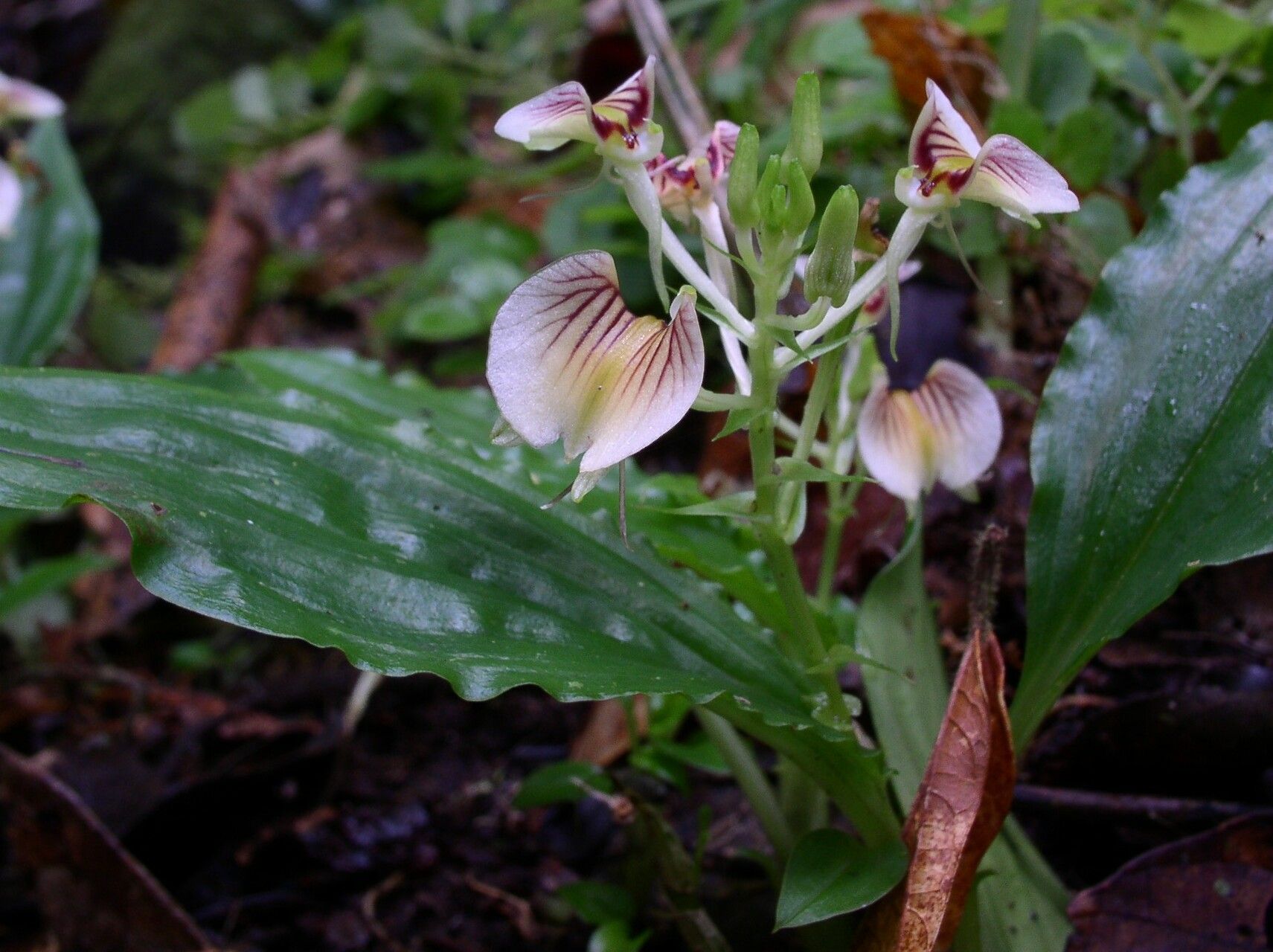
Unlocking the Secrets of Liparis Platyglossa Propagation: A Guide for Orchid Enthusiasts
The Liparis platyglossa, with its charming, wide-lipped flowers and intriguing growth habit, has become a sought-after treasure among orchid aficionados. But successfully cultivating this epiphytic beauty goes beyond basic care. To truly embrace the joy of growing Liparis platyglossa, understanding its propagation methods is key. This article delves into the techniques that will help you expand your orchid collection and witness the fascinating life cycle of this unique species.
Understanding the Liparis Platyglossa
Hailing from the rainforests of Southeast Asia, Liparis platyglossa thrives in warm, humid environments. Before diving into propagation, it’s crucial to understand its unique features. Unlike orchids that produce pseudobulbs, Liparis platyglossa develops clusters of fleshy, folded leaves, giving it a fan-like appearance. Flowers emerge from the base of these leaves, boasting captivating colors that range from vibrant yellows to delicate pinks.
Methods for Successful Propagation
Propagating Liparis platyglossa can be achieved through two primary methods:
1. Division:
- Timing is Key: The best time for division is during spring, just as the plant begins its new growth cycle.
- Identify Divisions: Carefully remove the orchid from its pot and inspect the root system. Look for natural divisions within the plant, ideally with at least 3-4 healthy leaves and a robust root system attached to each section.
- Divide Carefully: Use a sterilized, sharp cutting tool to separate the divisions. Ensure each division has sufficient roots to sustain its growth.
- Potting: Plant each division in a well-draining orchid mix, ensuring the base of the leaves sits slightly above the potting media. Water sparingly until new growth is observed.
2. Keiki Paste:
- What are Keikies?: “Keiki” is the Hawaiian word for “baby,” and in the orchid world, it refers to plantlets that sprout from the nodes of a mature plant. While Liparis platyglossa doesn’t naturally produce keikis as readily as some other orchids, the use of keiki paste can encourage their development.
- Applying the Paste: Keiki paste contains hormones that stimulate plant growth. Select a healthy, mature node on the flower stem and gently apply a small amount of keiki paste to the node.
- Patience is Paramount: Be patient! It can take several weeks or even months for keikis to develop after applying the paste. Ensure the plant receives optimal care during this time.
- Potting Your Keikis: Once the keikis develop their own root system (about 2-3 inches long), carefully detach them from the mother plant and pot them individually using a suitable orchid mix.
Post-Propagation Care:
Whether you choose division or keiki paste, post-propagation care is crucial for success:
- Humidity is Key: Maintain high humidity levels around the new plants. A humidity tray or a humidifier can be helpful.
- Warmth and Light: Provide bright, indirect light and maintain warm temperatures (around 70-80°F during the day and slightly cooler at night).
- Watering Wisely: Water only when the potting mix is almost dry. Overwatering can lead to root rot, a common problem for orchids.
Conclusion:
Propagating Liparis platyglossa may seem like a daunting task, but with the right knowledge and a touch of patience, you can unlock the secrets to expanding your orchid collection and enjoying the beauty of this captivating species for years to come. Remember to observe your plants closely, provide optimal care, and celebrate every new leaf and flower as a testament to your success!