
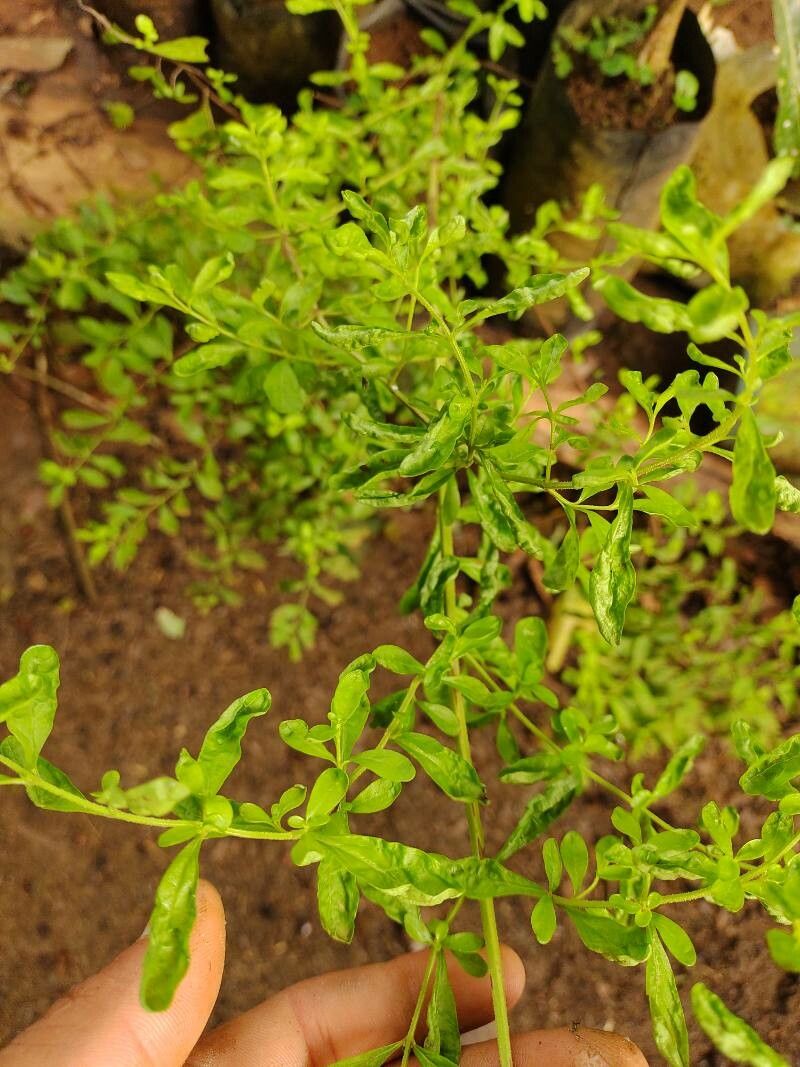
Unlocking the Secrets of Lippia Micromera Propagation: A Guide to Multiplying Your Aromatic Delight
Lippia micromera, also known endearingly as the “Thyme-Scented Mat” or “Orégano de la Sierra,” is a low-growing, sun-loving groundcover prized for its delightful oregano-like fragrance and delicate white flowers. If you’re lucky enough to have this aromatic beauty gracing your garden, you might be wondering how to get more of it without breaking the bank. The answer lies in the rewarding world of plant propagation!
There are two primary methods for propagating Lippia micromera: cuttings and layering. Here’s a closer look at both:
1. Propagation by Cuttings:
This popular method involves encouraging a cut piece of the parent plant to develop roots and grow into a new, independent plant. Here’s how it’s done:
- Timing is key: The best time to take cuttings is during the active growing season, ideally in spring or early summer.
- Choose healthy stems: Select healthy, non-flowering stems that are around 4-6 inches long.
- Prepare the cuttings: Using clean, sharp shears, make a cut just below a leaf node (the point where the leaf attaches to the stem). Remove the lower leaves, leaving 2-3 pairs at the top.
- Hormone boost (optional): While not essential, dipping the cut end in rooting hormone powder can significantly improve your success rate, encouraging faster and stronger root development.
- Potting time: Plant the cuttings in a well-draining potting mix, burying the bottom node.
- Create a humid environment: Cover the pot with a clear plastic bag or a humidity dome to trap moisture and create a greenhouse-like environment.
- Location, location, location: Place the pot in a warm, bright spot, but out of direct sunlight.
- Patience is a virtue: Keep the soil consistently moist and wait. Root development can take anywhere from 2-4 weeks. You’ll know roots have formed when you see new growth.
2. Propagation by Layering:
Layering is another effective method, particularly for plants like Lippia micromera that naturally spread and root from their stems.
- Select a stem: Choose a healthy, flexible stem close to the ground.
- Wound the stem (optional): Make a small, upward cut or scrape on the underside of the stem. This can encourage faster root development.
- Bury the stem: Bend the stem down and bury the wounded portion in the soil, securing it in place with a rock or landscape pin. Leave the tip of the stem exposed.
- Mother Nature takes over: Keep the soil consistently moist. Over time, the buried section will develop roots.
- Separation anxiety: Once the layered stem has developed a strong root system (usually in a few weeks), it can be carefully severed from the parent plant and potted up individually.
Caring for Your New Lippia Micromera Plants:
Once your new plants are established, continue to provide them with well-draining soil, ample sunlight, and moderate watering. They are relatively low-maintenance and drought-tolerant once mature.
Sharing is Caring:
Lippia micromera propagation is a simple and rewarding process. With a little patience and care, you can easily multiply your collection of this aromatic gem and share the joy with fellow plant enthusiasts. So, roll up your sleeves, get propagating, and let the intoxicating aroma of Lippia micromera fill your garden and beyond!