
Propagating Liquidambar formosana: Unlocking the Secrets of the Formosan Sweetgum
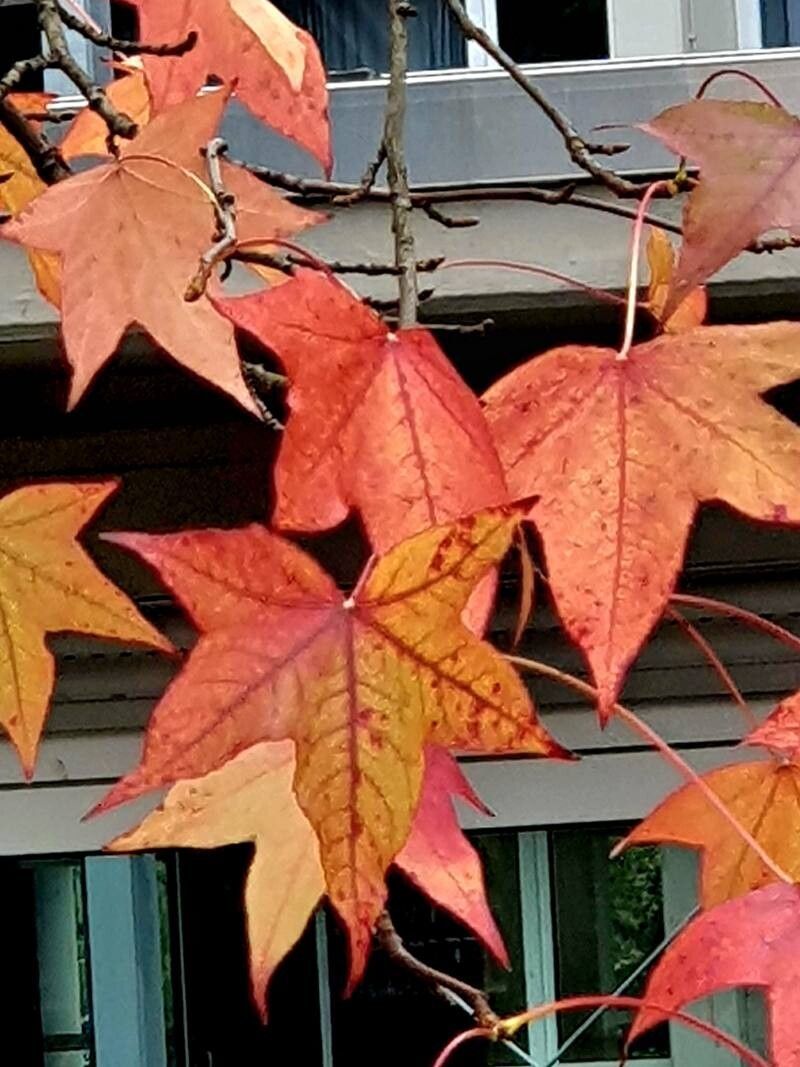
Liquidambar formosana, commonly known as the Formosan sweetgum, is a captivating deciduous tree prized for its stunning autumn foliage, fragrant star-shaped leaves, and distinctive, spiky seed balls. Its beauty has secured its place as a popular choice among gardeners, landscape designers, and arborists. However, propagating this elegant tree presents unique challenges, making success all the more rewarding. This article explores various propagation methods, highlighting their viability and offering practical tips for enthusiasts.
Seed Germination:
Seed germination for Liquidambar formosana is a viable, albeit challenging, method. The primary hurdle lies in the seed’s dormancy. The hard seed coat requires stratification – a period of cold, moist treatment – to break dormancy and initiate germination.
Challenges: Achieving consistent germination rates can be difficult. Improper stratification can lead to low germination percentages or complete failure. Seed viability also varies depending on the source and storage conditions.
Practical Tips: Collect seeds in autumn after they mature. Stratify the seeds by mixing them with moist peat moss or vermiculite and placing them in a refrigerator (around 3-5°C) for 60-90 days. Sow the stratified seeds in a well-draining seed starting mix, maintaining consistently moist (but not waterlogged) conditions. Germination typically occurs in spring, but patience is key.
Rewards: Successfully germinated seedlings offer significant genetic diversity, providing a broader range of plant characteristics. This method is also suitable for large-scale propagation, ideal for nurseries or reforestation projects.
Cuttings:
Propagation via cuttings is less reliable for Liquidambar formosana than seed germination.
Challenges: Liquidambar formosana cuttings are notoriously difficult to root. The low success rate is attributed to the plant’s recalcitrant nature – its difficulty in forming roots from stem cuttings.
Practical Tips: Semi-hardwood cuttings taken in late summer or early autumn, treated with rooting hormone, and placed under mist propagation conditions might show limited success. However, even with optimal conditions, rooting is slow and unpredictable.
Rewards: Successful rooting of cuttings allows for the exact replication of desirable traits from a parent plant, preserving unique characteristics and avoiding the variability inherent in seed-grown plants.
Division:
Division is not a feasible propagation method for Liquidambar formosana. This tree doesn’t produce readily separable suckers or offsets suitable for division.
Tissue Culture:
Tissue culture offers a potential, though technically advanced, method for propagating Liquidambar formosana.
Challenges: Establishing a successful tissue culture protocol for this species requires specialized knowledge, equipment, and a sterile environment. It is expensive and time-consuming, demanding expertise in plant tissue culture techniques.
Practical Tips: This method should only be attempted by experienced professionals with access to the appropriate laboratory facilities and media. A successful protocol would involve sterilizing plant material (e.g., shoot tips), culturing it on a suitable growth medium, and then transferring the developed plantlets to a greenhouse for acclimatization.
Rewards: Tissue culture allows for mass propagation of genetically identical plants, preserving desirable traits and facilitating large-scale production of high-quality planting stock. It also offers the potential for disease-free plants.
Conclusion:
Propagating Liquidambar formosana presents unique challenges across all methods. Seed germination offers a relatively accessible, albeit unpredictable, approach, while cuttings provide low success rates, and division is not feasible. Tissue culture, though highly efficient, requires significant expertise and resources. However, the rewards of successfully cultivating this magnificent tree are substantial. The vibrant autumn color, fragrant leaves, and the satisfaction of coaxing a sapling from seed or cutting far outweigh the difficulties. For aspiring propagators, patience, persistence, and thorough research are essential keys to unlock the secrets of this captivating species. Remember to always start with high-quality seeds or cuttings from a reputable source to increase your chances of success.