
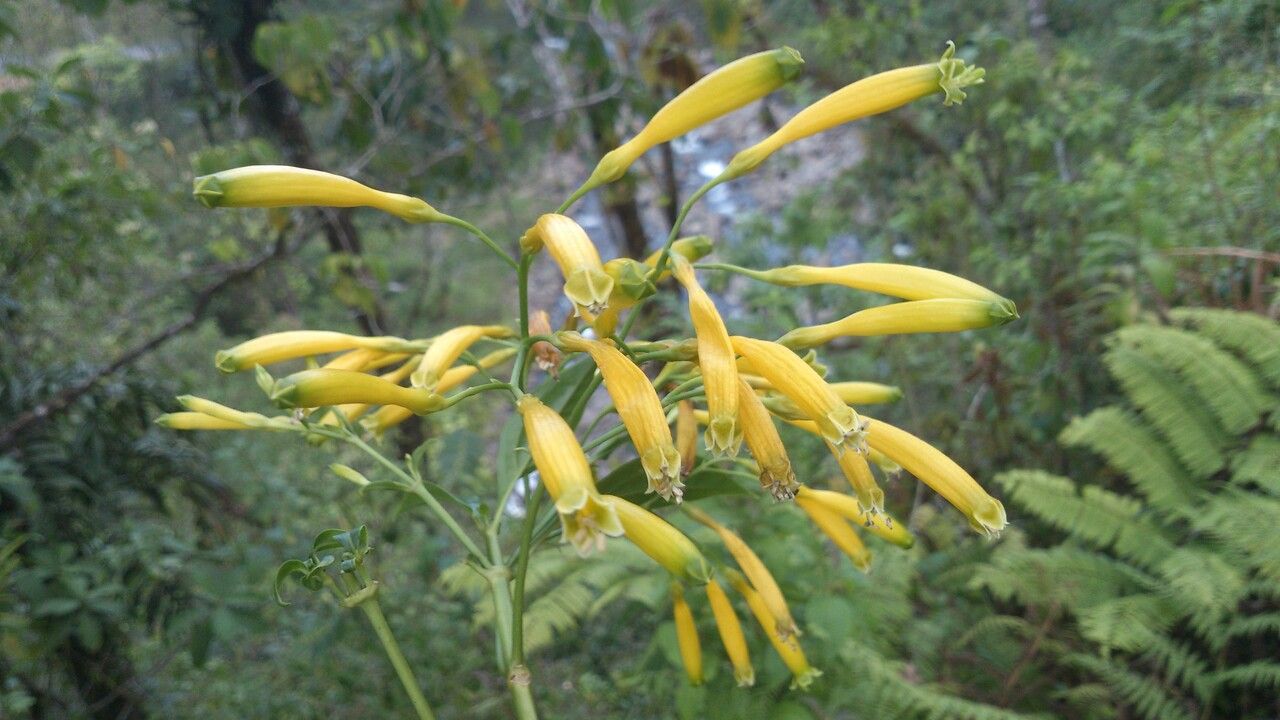
Propagating the Belizean Gentian: A Guide to Growing Lisianthius skinneri
Introduction
Lisianthius skinneri, also known as the Belizean Gentian, is a captivating herbaceous perennial prized for its elegant, trumpet-shaped flowers in shades of purple, pink, and white. Native to Central America, its delicate beauty and relatively long bloom period have earned it a place in many gardeners’ hearts. However, propagating this exquisite plant presents unique challenges. While its striking blossoms are a reward for dedicated cultivators, successfully growing new plants from existing stock requires understanding the specific requirements of each propagation method. This guide explores the various techniques, outlining their potential and limitations.
Seed Germination:
Currently, there are no known reliable methods for seed germination propagation of Lisianthius skinneri. While seeds may be produced, their germination rate is extremely low, and successful seedling establishment is rarely achieved under typical horticultural conditions. Further research into specialized germination techniques may be necessary to unlock the potential of seed propagation.
Cuttings:
Challenges: Softwood cuttings are the most commonly attempted method of propagation for Lisianthius skinneri. However, success rates can be inconsistent due to the susceptibility of cuttings to fungal diseases and rot. The plant’s delicate nature also increases the risk of wilting before root development.
Practical Tips: Take cuttings in spring or summer from actively growing stems. Use a sharp, clean blade to avoid crushing the stem. Remove lower leaves, dip the cut end in rooting hormone, and plant in a well-draining sterile medium, such as a perlite and peat moss mix. Provide high humidity (e.g., using a humidity dome or propagating tray) and gentle bottom heat to encourage root formation. Regular misting is crucial to prevent desiccation.
Rewards: Successful propagation from cuttings offers a relatively quick method for producing genetically identical copies of a desirable mother plant. This is advantageous when preserving specific traits or expanding a collection of a particularly successful cultivar.
Division:
Challenges: Lisianthius skinneri forms a relatively compact root system, limiting the practicality of division as a propagation method. Dividing the plant risks damaging the delicate roots, potentially leading to the death of both the parent plant and the divisions.
Practical Tips: Division, if attempted, should only be done during the dormant period (if applicable) and with extremely careful handling. Sharp, clean tools and a delicate approach are essential. Each division should contain a substantial portion of the root system and healthy growth points.
Rewards: If successful, division offers a faster way to increase the number of plants compared to cuttings, although this is generally not a recommended method for this species.
Tissue Culture:
Challenges: While tissue culture offers great potential for large-scale and rapid propagation of many plants, it requires a specialized lab setup, sterile techniques, and expertise in plant tissue culture methodologies. The costs involved can be significant.
Practical Tips: This method necessitates a controlled environment with sterile nutrient media containing plant hormones to induce shoot and root development from small explants. Success hinges on maintaining sterility to prevent contamination by fungi or bacteria.
Rewards: Tissue culture offers the highest potential for large-scale propagation of Lisianthius skinneri, allowing for the rapid production of many genetically identical plants. This is highly advantageous for commercial production and conservation programs.
Conclusion:
Propagating Lisianthius skinneri presents significant challenges, with cuttings offering the most realistic option for the home gardener. While seed germination has proven unreliable, and division is risky, tissue culture represents the most effective method for large-scale production. However, the expertise and resources required for tissue culture place it beyond the reach of many enthusiasts. The potential rewards – the vibrant beauty of these remarkable flowers – are significant, urging patience and persistence. Don’t be discouraged by the difficulties; the inherent satisfaction that comes from successfully propagating this challenging plant makes the effort more than worthwhile. Remember to start with healthy, vigorous mother plants and maintain optimal conditions for each chosen propagation technique. Even with setbacks, the journey of growing Lisianthius skinneri is a rewarding one for the dedicated plant enthusiast.