
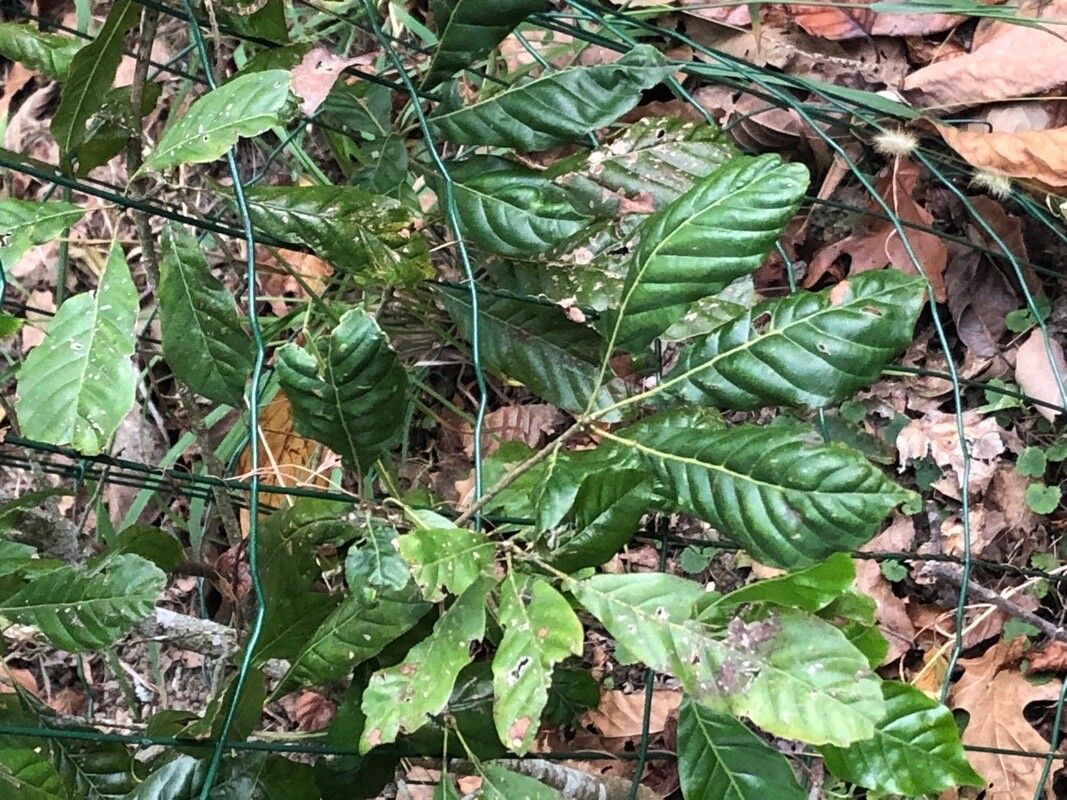
Cracking the Nut: How to Propagate the Majestic Lithocarpus corneus
The Lithocarpus corneus, also known as the Acorn Oak or Horned Oak, is a majestic evergreen tree native to Southeast Asia. With its glossy leaves, unique acorn cups, and imposing stature, it makes a stunning addition to gardens lucky enough to accommodate its size. Intrigued? Then you might be wondering – how can I welcome this botanical giant into my life?
While finding a nursery carrying Lithocarpus corneus can be a challenge, propagating this incredible tree at home is surprisingly attainable, though it requires a touch of patience. The most common methods are:
1. Seed Propagation: The Reward of Fresh Starts
Using seeds, ideally fresh ones collected directly from the tree, is the most common and rewarding way to propagate Lithocarpus corneus. Here’s how:
- Collection and Preparation: Gather mature acorns in the fall when they fall naturally from the tree. Remove the outer husk and soak the acorns in water for 24 hours, discarding any that float as they are likely not viable.
- Sowing: Plant each acorn about an inch deep in a mixture of well-draining potting soil and perlite.
- Environment & Care: Keep the soil consistently moist but not waterlogged. A warm, humid environment is ideal, so consider using a propagation dome or placing the pots in a warm, shaded location.
- Germination: Be patient! Germination can take anywhere from a few weeks to several months. Once the seedlings emerge, continue to provide consistent moisture and gradually acclimate them to increasing amounts of sunlight.
2. Cuttings: A Faster, Though Trickier, Approach
Propagating Lithocarpus corneus from cuttings can be more challenging but offers quicker results if successful. This is best done in late spring or early summer:
- Taking the Cutting: Select a healthy, semi-hardwood stem cutting about 4-6 inches long from the current year’s growth. It should have several leaf nodes.
- Preparing the Cutting: Remove the leaves from the lower half of the cutting and wound the base slightly to expose the cambium layer. Dip the cut end in rooting hormone to encourage root development.
- Planting and Care: Plant the cutting in a well-draining potting mix, ensuring at least one leaf node is below the soil surface. Provide warmth, humidity, and indirect light.
- Rooting: This method requires patience! It can take several weeks for roots to develop. Once rooted, gradually acclimate the cutting to increasing light levels before transplanting.
Words of Wisdom for the Propagator
- Patience is Key: Lithocarpus corneus is a slow-growing tree, and propagation requires patience and dedication, regardless of the method chosen.
- Mimicking Nature: Replicating the natural environment of the Lithocarpus corneus, including warmth, humidity, and well-draining soil, is crucial for successful propagation.
- Enjoying the Journey: While the process may seem daunting, the satisfaction of nurturing a majestic Lithocarpus corneus from seed or cutting is incredibly rewarding.
Propagating your own Lithocarpus corneus is a labor of love, but the result – a thriving piece of nature gracing your space – is well worth the effort. So, gather your acorns, sharpen your gardening tools, and embark on this rewarding horticultural journey!