
Propagating Lithocarpus harlandii: A Gardener’s Challenge
Introduction:
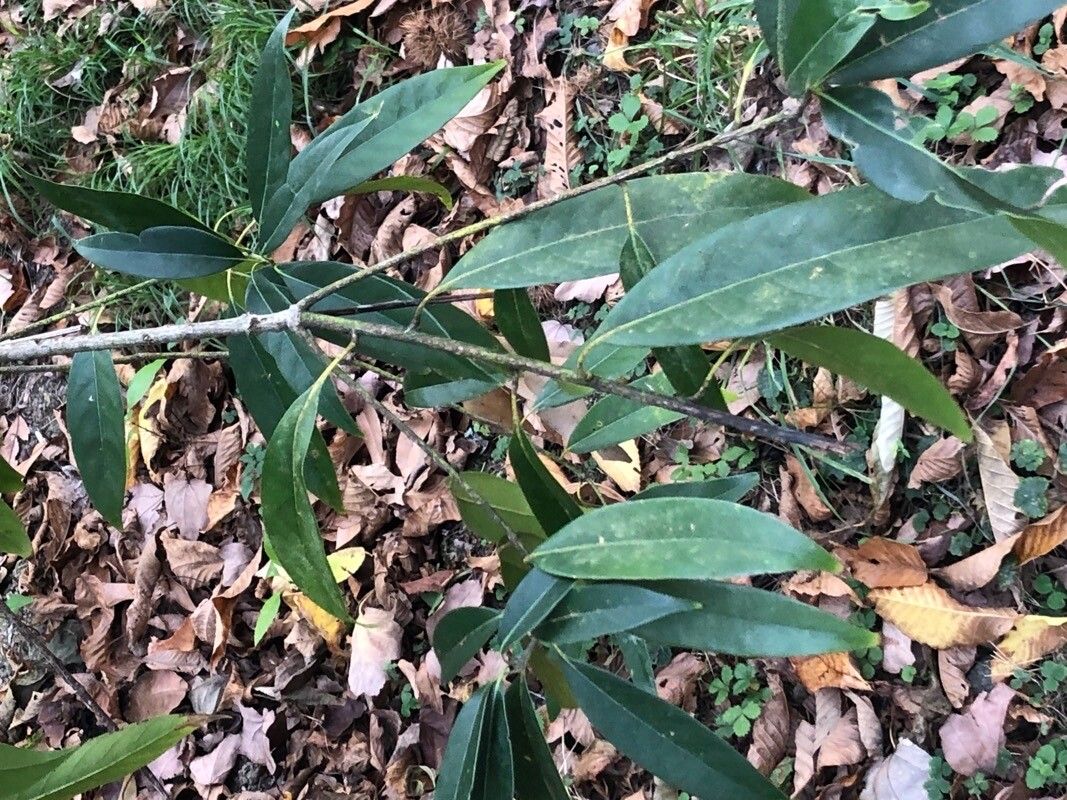
Lithocarpus harlandii, also known as Harlan’s Lithocarpus or sometimes simply as a type of "stone oak," is a captivating evergreen tree prized for its handsome foliage and distinctive acorns. Native to Southeast Asia, it’s gaining popularity among discerning gardeners captivated by its unique aesthetic qualities and suitability for subtropical climates. However, propagating this species presents a unique set of challenges, making successful cultivation a rewarding achievement for the dedicated plant enthusiast. Its slow growth and relatively limited availability in nurseries contribute to its appeal among those seeking a rare and beautiful specimen.
Seed Germination:
While seed germination is a theoretically viable method for propagating Lithocarpus harlandii, it’s fraught with challenges. The seeds possess a hard seed coat which inhibits water uptake, necessitating scarification. Furthermore, they often exhibit dormancy, requiring a period of cold stratification.
Challenges: Low germination rates are expected, even with stratification. Precise temperature and moisture control are crucial throughout the process. Seed viability is also a significant factor, demanding fresh, high-quality seed collected from healthy parent trees.
Practical Tips: Scarify the seeds (carefully nicking the seed coat) before sowing. Stratify the seeds for 2-4 months in moist peat moss or vermiculite at temperatures between 3-5°C (37-41°F). Sow seeds in well-draining potting mix, keeping them moist but not waterlogged. Germination may take several months, and patience is key.
Rewards: Successful seed germination provides genetically diverse offspring, crucial for maintaining the species’ resilience. It also offers the potential for large-scale propagation, though the low success rate necessitates planting many seeds.
Cuttings:
Currently, there are no known reliable methods for propagating Lithocarpus harlandii from cuttings. The species’ inherently slow growth and difficulty in rooting make this approach impractical at present. Further research into specific hormonal treatments and propagation techniques may be necessary to explore this possibility.
Division:
Division is not a feasible method of propagating Lithocarpus harlandii. This tree doesn’t readily produce offshoots or suckers that can be separated and successfully established as independent plants.
Tissue Culture:
Tissue culture presents a potentially promising avenue for Lithocarpus harlandii propagation, though it requires specialized laboratory equipment and expertise.
Challenges: Establishing aseptic conditions, selecting appropriate media and growth regulators to induce shoot multiplication and root formation are significant technical hurdles. The process is expensive and time-consuming.
Practical Tips: The process would require expertise in plant tissue culture techniques, including sterilization protocols, media formulation, and plant hormone applications. This method is best suited to research institutions or specialized nurseries.
Rewards: Tissue culture offers the potential for rapid, large-scale propagation of genetically uniform plants, which is invaluable for conservation efforts and commercial production. However, such propagation would also risk a reduction in genetic diversity.
Conclusion:
Propagating Lithocarpus harlandii presents considerable challenges across all conventional methods. While seed germination holds some promise with diligent effort and patience, success is not guaranteed. Cutting and division propagation are currently unreliable. Tissue culture potentially offers a more effective solution but requires significant expertise and resources. Despite the difficulties, the beauty and rarity of this species make the pursuit worthwhile. The profound sense of accomplishment derived from nurturing a tiny seed or a delicate tissue culture into a thriving Lithocarpus harlandii far outweighs the struggles involved. For aspiring propagators, starting with seed germination while acknowledging the low success rate is a good starting point. Collaboration with botanical gardens or universities experienced in propagating similar species may further enhance your chances of success. Remember that patience, persistence, and careful observation are essential ingredients in this rewarding horticultural journey.