
Unlocking the Secrets of Lithocarpus henryi Propagation: A Guide to Growing Your Own Majestic Oak
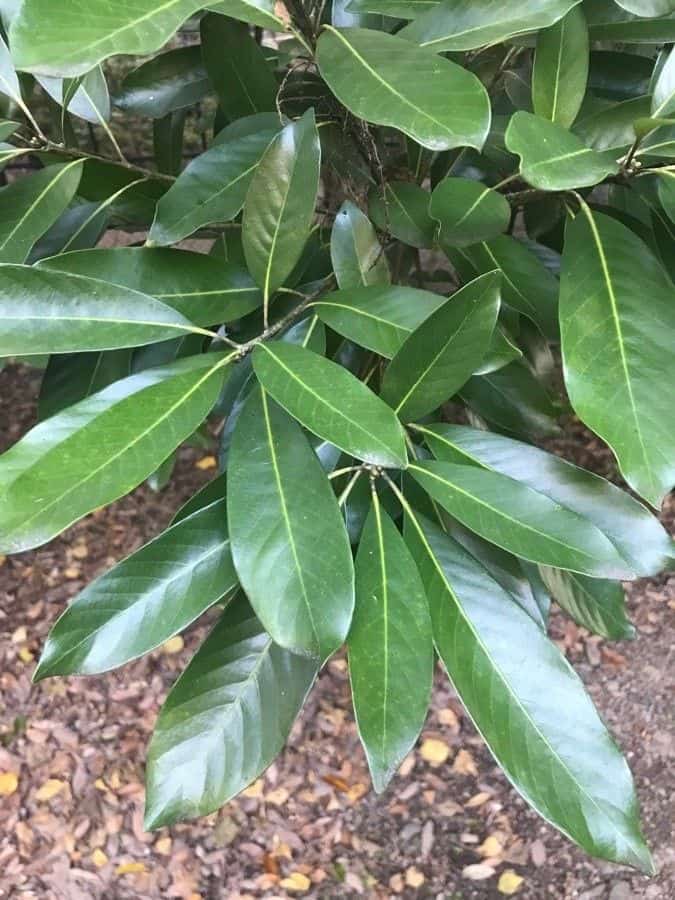
The Lithocarpus henryi, also known as the Henry’s Tanoak or the Spire-fruited Tanoak, is a majestic evergreen tree native to China. Boasting glossy, dark green leaves and striking, upright acorns with spiky cups, this unique oak species adds an air of exotic elegance to any landscape. While finding this beauty in nurseries can be a challenge, propagating Lithocarpus henryi at home is an attainable feat with the right knowledge and a touch of patience.
Two Paths to Propagation: Seed vs. Cuttings
There are two primary methods for propagating Lithocarpus henryi:
1. Seed Propagation: This is the most common and rewarding method, offering the satisfaction of witnessing a tree’s journey from a tiny acorn to a thriving sapling.
2. Cutting Propagation: This method requires more expertise and often yields a lower success rate. However, it’s beneficial when seeking to preserve specific characteristics of a parent tree.
Seed Starting: Nurturing Acorns into Life
Gathering Acorns: Collect mature acorns in the fall when they begin to drop from the tree. Avoid damaged or insect-infested acorns.
Stratification: A Winter’s Rest: Lithocarpus henryi acorns benefit from a period of cold stratification, mimicking their natural winter dormancy.
* **Method:** Place acorns in a sealed plastic bag with slightly damp vermiculite or peat moss.
* **Duration:**  Store the bag in the refrigerator (around 40°F) for 60-90 days.
Planting the Seeds:
* **Timing:** Sow the stratified acorns in late winter or early spring.
* **Medium:** Use a well-draining seed starting mix.
* **Planting Depth:** Sow the acorns about an inch deep.
* **Location:** Choose a location with bright, indirect light.
* **Watering:** Keep the soil consistently moist but not waterlogged.
Germination and Early Care:
* **Timeline:** Acorns can take several weeks to germinate. Be patient!
* **Watering:**  Continue to water regularly, allowing the topsoil to dry out slightly between waterings.
* **Fertilizing:**  Once seedlings develop a few true leaves, start fertilizing with a diluted, balanced fertilizer every few weeks.
Cutting Propagation: Cloning Your Dream Tree
Timing is Key: Take cuttings in late spring or early summer when the tree’s growth hormones are most active.
Selecting the Cutting:
* Choose a healthy, non-flowering branch.
* Cut a 4-6 inch section from the tip of the branch, making a clean cut just below a leaf node.
Preparing the Cutting:
* Remove the lower leaves, leaving only a few at the top.
* Wound the base of the cutting by making a small, vertical cut.
* Dip the wounded end in rooting hormone powder to stimulate root development.
Planting the Cutting:
* Plant the cutting in a pot filled with a well-draining rooting mix.
* Water thoroughly and cover the pot with a clear plastic bag to create a humid environment.
* Place in a warm, shady location.
Care and Transplanting:
* Keep the rooting mix consistently moist.
* Once the cutting shows signs of new growth (usually after several weeks), it indicates successful rooting.
* Gradually acclimate the rooted cutting to outdoor conditions before transplanting it to a larger pot or directly into the ground.
Patience: The Gardener’s Best Virtue
Whether you choose to cultivate your Lithocarpus henryi from seed or cuttings, remember that patience is key. With proper care and attention, you’ll be rewarded with a majestic tree that will grace your landscape for generations to come.