
Living Stones, Living Long: How to Propagate Lithops gesineae
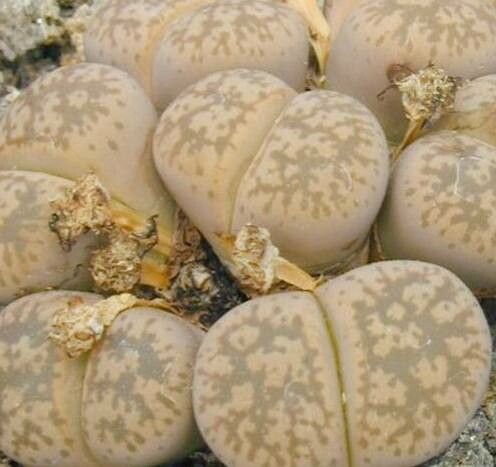
The “Living Stones,” as Lithops are affectionately called, are a captivating group of succulents that mimic rocks in their natural environment. One of the most striking species is Lithops gesineae, their leaves often exhibiting a captivating mix of pink, brown, and green. But did you know you can replicate the magic of these miniature marvels and grow your own Lithops gesineae from seed? It’s a process that’s more rewarding than you’d imagine, and this guide will take you through the steps.
The Allure of Seed Propagation:
While Lithops can be propagated through division, seed propagation offers a special appeal:
- New Variety Exploration: Seed propagation offers the chance to grow unique Lithops gesineae with slight variations in color and pattern, making each plant a mini-masterpiece.
- Abundance of Seedlings: One Lithops gesineae can produce numerous seeds, allowing you to cultivate a whole collection of these captivating plants.
- A Sense of Achievement: Starting from seed and witnessing a tiny sprout transform into a miniature rock-like succulent is a deeply fulfilling experience for any plant enthusiast.
A Step-by-Step Guide to Success:
1. Sourcing the Seeds:
- Reputable Vendors: Look for seeds from well-respected vendors specializing in succulents. Ensure the seeds are fresh and of high quality.
- Cross-Pollination: Collect seeds from your existing Lithops gesineae if you have them. Keep in mind that for cross-pollination to occur, you’ll need at least two different plants.
2. Preparing the Seed Starting Mixture:
- Sterile Foundation: Sterilize your seed starting mix to prevent fungal diseases. You can do this by microwaving the mix on high power for 5 minutes or by placing it in a preheated oven at 180°C (355°F) for 30 minutes.
- Well-Draining Mix: Choose a mix designed for succulents or cacti that’s coarse and gritty, allowing for excellent drainage. Avoid overly rich mixes.
3. Sowing the Seeds:
- Surface Sowing: Gently press the seeds onto the surface of the moist seed starting mix. Do not cover them with soil, as they need light to germinate.
- Humidity and Light: Place the seed tray in a bright but indirect location, ensuring the mix stays consistently moist but not soggy. A clear plastic dome or lid can help maintain humidity.
4. Patience is Key:
Lithops seeds are tiny and require patience. Depending on conditions, germination can take anywhere from a few weeks to a few months.
5. Thinning and Transplanting:
- Gentle Care: Once seedlings emerge, monitor them closely. Thin out weaker seedlings to allow stronger ones to thrive.
- Patience: Transplant the remaining seedlings into individual pots when they reach a manageable size, handling them with care. This is generally when they develop their first pair of true leaves.
6. The “Mini-Rock” Transformation:
With proper care, the seedlings will gradually develop their distinctive rock-like leaves, making them look like tiny stones. The cycle of growth, blooming, and producing new leaves will continue for years.
Care Tips:
- Light: Provide Lithops gesineae with plenty of bright, indirect light. Avoid prolonged direct sunlight, especially during the hottest periods.
- Watering: Water sparingly, allowing the soil to dry completely between waterings. Overwatering is the most common cause of death for these resilient plants.
- Dormancy: Lithops enter a dormancy period during cooler months. During this time, water very minimally, and avoid fertilizing.
Beyond the Beauty:
Growing Lithops gesineae from seed is an exciting challenge that rewards patience with a miniature marvel. The unique characteristics of these living stones, combined with their ease of care, make them a wonderful addition to any collection. So, embark on this journey, witness the magic of Lithops, and bring a touch of the desert’s captivating beauty into your home.