
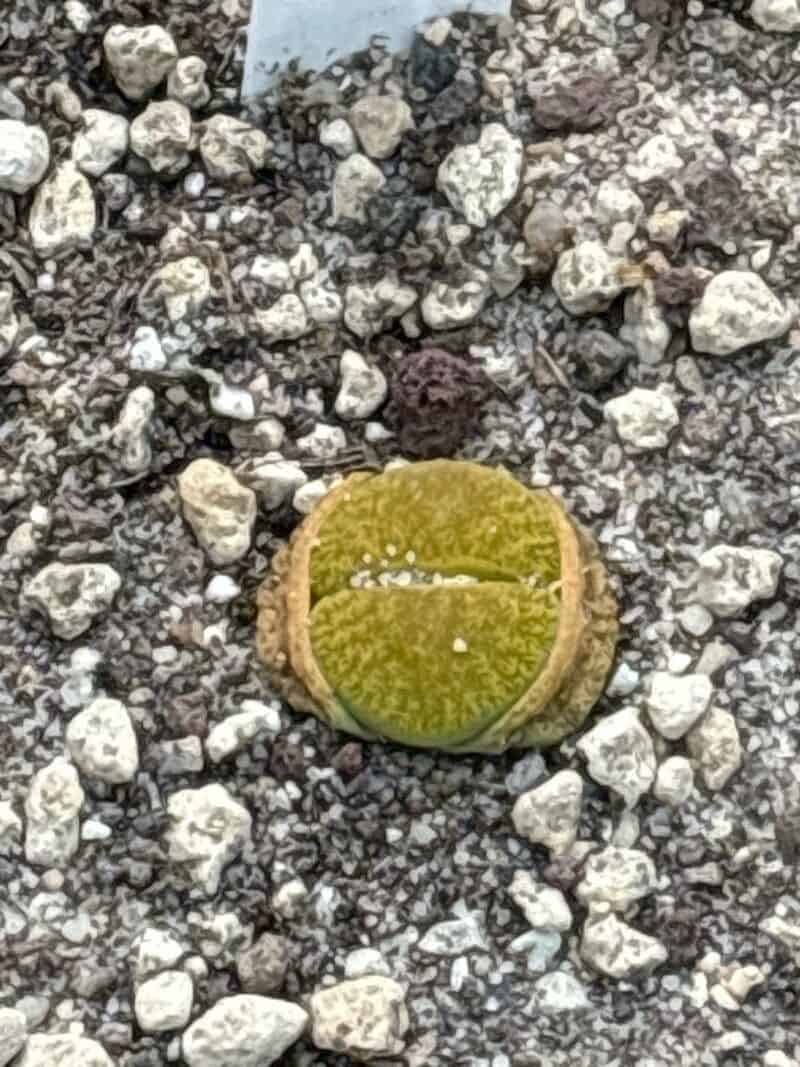
Unlocking the Secrets of Lithops Lesliei Propagation: A Beginner’s Guide
Lithops, often affectionately called "living stones" or "pebble plants," are a fascinating group of succulents prized for their unique appearance and ability to mimic their surroundings. Among them, Lithops lesliei stands out with its mesmerizing patterns and colors. If you’re captivated by these living gems and dream of having your own miniature Lithops landscape, learning how to propagate them is the key.
Decoding Lithops Lifecycle: The Key to Propagation
Understanding the life cycle of Lithops lesliei is crucial for successful propagation. These succulents have a distinct annual growth cycle:
- Spring: The plant “splits” from its previous leaf pair, revealing new leaves.
- Summer: Lithops enter a period of dormancy, enduring the heat by minimizing water intake.
- Fall: With cooler temperatures and increased watering, new buds emerge from between the leaf pair, signaling the start of the flowering cycle.
- Winter: Lithops bloom with vibrant yellow or white flowers, eventually producing seed pods.
Two Paths to Propagation: Seeds vs. Divisions
There are two primary methods to propagate Lithops lesliei: seeds and divisions.
1. From Seed to Stone: The Art of Germination
Starting Lithops from seed is a rewarding, albeit more time-consuming, experience. Here’s a step-by-step guide:
- Obtain Seeds: Acquire seeds from reputable nurseries or online retailers specializing in succulents.
- Prepare the Seedbed: Use a well-draining soil mix specifically formulated for succulents or cacti. A shallow, wide pot with drainage holes is ideal.
- Sow the Seeds: Sprinkle seeds evenly over the soil surface, barely covering them with a light dusting of soil.
- Provide Optimal Conditions: Maintain humidity by misting the soil surface regularly, ensuring good airflow to prevent fungal growth. Place the pot in a bright location, avoiding direct sunlight.
- Be Patient: Germination can take anywhere from a few weeks to several months.
- Thinning: As the seedlings grow, thin them out to avoid overcrowding.
2. Dividing and Conquering: Propagating from Divisions
For a quicker propagation method, dividing mature Lithops plants is an excellent option. Here’s how:
- Timing is Everything: The best time to divide Lithops is during their active growing period, typically in spring.
- Gentle Separation: Carefully remove the plant from its pot and gently tease apart the clumps of leaves at their base.
- Allow to Callus: Let the separated divisions sit for a day or two, allowing the cut surfaces to dry and form a callus.
- Pot Individually: Plant each division in a well-draining succulent mix, burying the base of the leaves just below the soil surface.
- Watering with Care: Water sparingly until new roots develop, gradually increasing the water frequency as the plant establishes itself.
Essential Tips for Propagation Success:
- Provide Ample Light: Lithops thrive in bright, indirect light.
- Water with Caution: Overwatering is the biggest threat to Lithops. Always allow the soil to dry out completely between waterings.
- Well-Draining Soil is Key: Use a specialized succulent mix or create your own by amending regular potting soil with perlite or sand.
- Patience is Paramount: Lithops grow slowly, so don’t be discouraged if you don’t see immediate results.
Propagating Lithops lesliei is a fulfilling endeavor, allowing you to witness the fascinating life cycle of these unique plants. Whether you choose to nurture them from seed or expand your collection through divisions, the journey promises to be both rewarding and visually captivating.