
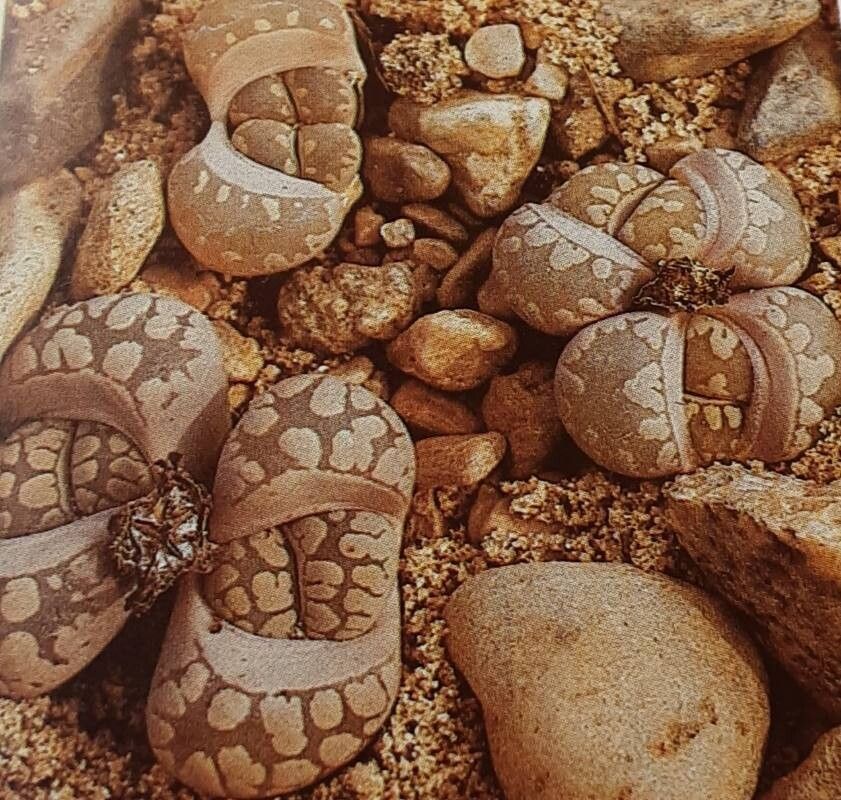
Living Stones, Living Long: Propagating Your Lithops otzeniana
The mesmerizing “living stones” of the Lithops otzeniana species are a captivating addition to any plant enthusiast’s collection. Their uncanny resemblance to pebbles and their unique ability to mimic their environment make them truly fascinating. However, these succulent wonders require a touch of knowledge to reproduce successfully. Let’s delve into the world of Lithops otzeniana propagation and discover how you can cultivate more of these intriguing desert dwellers.
The Mystery of the Split:
Lithops otzeniana propagation is primarily achieved through division, a process that mirrors their natural reproductive cycle. During the spring and summer months, after your Lithops has finished flowering, you’ll notice a captivating transformation. The single, plump body will split, revealing two new bodies, each containing a miniature version of its parent. These newly formed “babies,” known as offsets, are your key to propagation.
The Art of the Separation:
Patience is key here! Don’t be too hasty to separate the offsets. Allow them to grow and become somewhat independent from the parent plant. Once they’ve developed a fair amount of their own roots and are roughly the size of a pea, you can gently detach them from the parent.
Preparing Your New Lithops:
Sterilize: The first and most important step is to sanitize your tools. Use a 70% alcohol solution or a diluted bleach solution to disinfect scissors or a small knife.
The Potting Mix: Well-draining soil is crucial for Lithops. A mix of cactus potting soil, coarse sand, and pumice or perlite works well. A small pot with adequate drainage is ideal, as overwatering can be detrimental.
- Planting Depth: Don’t bury the offsets too deep! The top part should be exposed to sunlight. This is essential for photosynthesis and successful growth.
The Waiting Game:
After planting, resist the urge to disturb the offsets. Provide bright, indirect sunlight and minimal watering. Let the soil dry out completely between waterings. These succulents are incredibly drought-tolerant and prefer to be on the dry side.
Time and Patience:
The process of Lithops propagation takes time. The offsets may take several months to settle in and start putting on new growth. Be patient! Don’t worry if you see them shrink slightly during the initial phase – this is normal. They are adjusting to their new environment.
Beyond Division:
While division is the most common method, some enthusiasts attempt seed propagation. This is a more challenging process but can be rewarding. It requires even more patience and meticulous care. Seeds need specific germination conditions, including warmth, humidity, and a well-draining substrate.
The Rewards of Propagation:
Successfully propagating your Lithops otzeniana is a rewarding experience. Not only will you have more of these unique plants to enjoy, but you’ll also develop a deeper understanding of their fascinating lifecycle. As you watch your offsets bloom with new life, you’ll be witnessing the resilience and beauty of these incredible “living stones.”
Final Notes:
Remember, success in propagation is about understanding the plant’s needs and providing the appropriate care. While Lithops otzeniana may seem like low-maintenance plants, they require specific conditions for successful growth and reproduction. Be patient, observe their cues, and enjoy the process of expanding your “living stone” collection!