
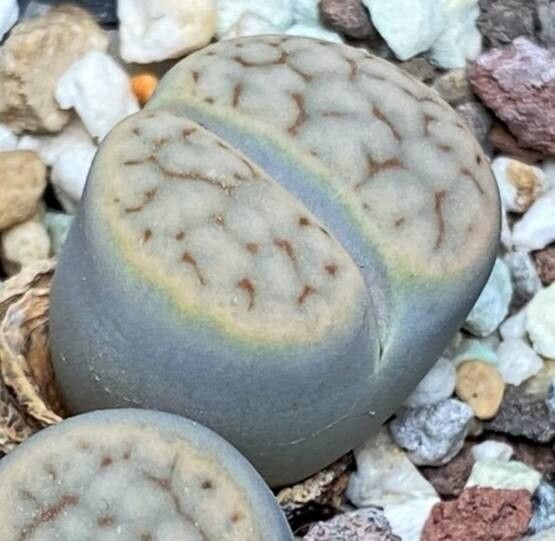
From One Stone to Many: Unlocking the Secrets of Lithops schwantesii Propagation
The “Living Stones” of the Lithops genus are a testament to nature’s incredible artistry. Among these fascinating succulents, Lithops schwantesii stands out with its unique coloration and intriguing growth patterns. But what if you could expand your collection of these miniature marvels? Good news – Lithops schwantesii can be propagated using a technique called “division”.
Understanding Lithops Growth:
Before diving into propagation, it’s essential to understand how Lithops grow. These plants are remarkable for their ability to mimic stones, blending seamlessly into their arid surroundings. They consist of two fleshy leaves, known as a “body,” connected at the base. After flowering, the old body begins to dry out while a new pair of leaves emerges alongside it. This process, called “splitting,” is the foundation of Lithops propagation.
The Art of Division:
Division, a form of vegetative propagation, involves separating the newly formed Lithops from the old, dying body after they’ve grown sufficiently. This method allows you to multiply your plants without relying on seeds.
Here’s a step-by-step guide:
- Prepare for the Process: The best period for dividing Lithops is after they’ve finished flowering and the new body has matured. Carefully select a healthy Lithops plant showing signs of splitting.
- Gentle Removal: Carefully remove the Lithops from its pot. Using a sterile tool, like a small knife or a pair of tweezers, gently separate the newly formed body from the old, dried-out body. Be cautious not to damage the delicate leaves.
- Allowing to Heal: After separating the new body, allow it to dry out for a few days in a well-ventilated, shaded area. This allows the wounds to heal and reduces the risk of infections.
- Potting Up: Once the wounds have dried, pot the new Lithops individually in a well-draining potting mix suitable for succulents. Choose shallow pots with drainage holes to avoid waterlogging.
- Monitoring and Care: Water sparingly after planting, allowing the soil to dry completely between waterings. Place the potted Lithops in a bright, sunny location but avoid direct sunlight. Over time, the new body will mature, developing its own distinct features.
Helpful Tips for Success:
- Sterilization: Always sterilize your tools before handling Lithops to prevent the introduction of infections.
- Careful Selection: Choose robust, healthy Lithops for propagation to improve the chances of survival.
- Patience is Key: Division can be a delicate process, and it may take a few months for the new Lithops to fully establish themselves. Be patient and attentive to their needs.
Beyond Division:
While division is the most common method for propagating Lithops schwantesii, you can also use seeds to expand your collection. However, seed propagation is more time-consuming and requires more careful attention to seed sowing and germination conditions.
Enjoying the Beauty of Lithops:
Whether you choose division or seed propagation, cultivating Lithops schwantesii will reward you with the unique beauty of these miniature, living stones. By understanding the fundamentals of Lithops propagation, you’ll be able to share the wonders of these amazing plants with others and enjoy the thrill of nurturing new life. So, go ahead, embrace the challenge, and witness the miracle of Lithops propagation firsthand!