
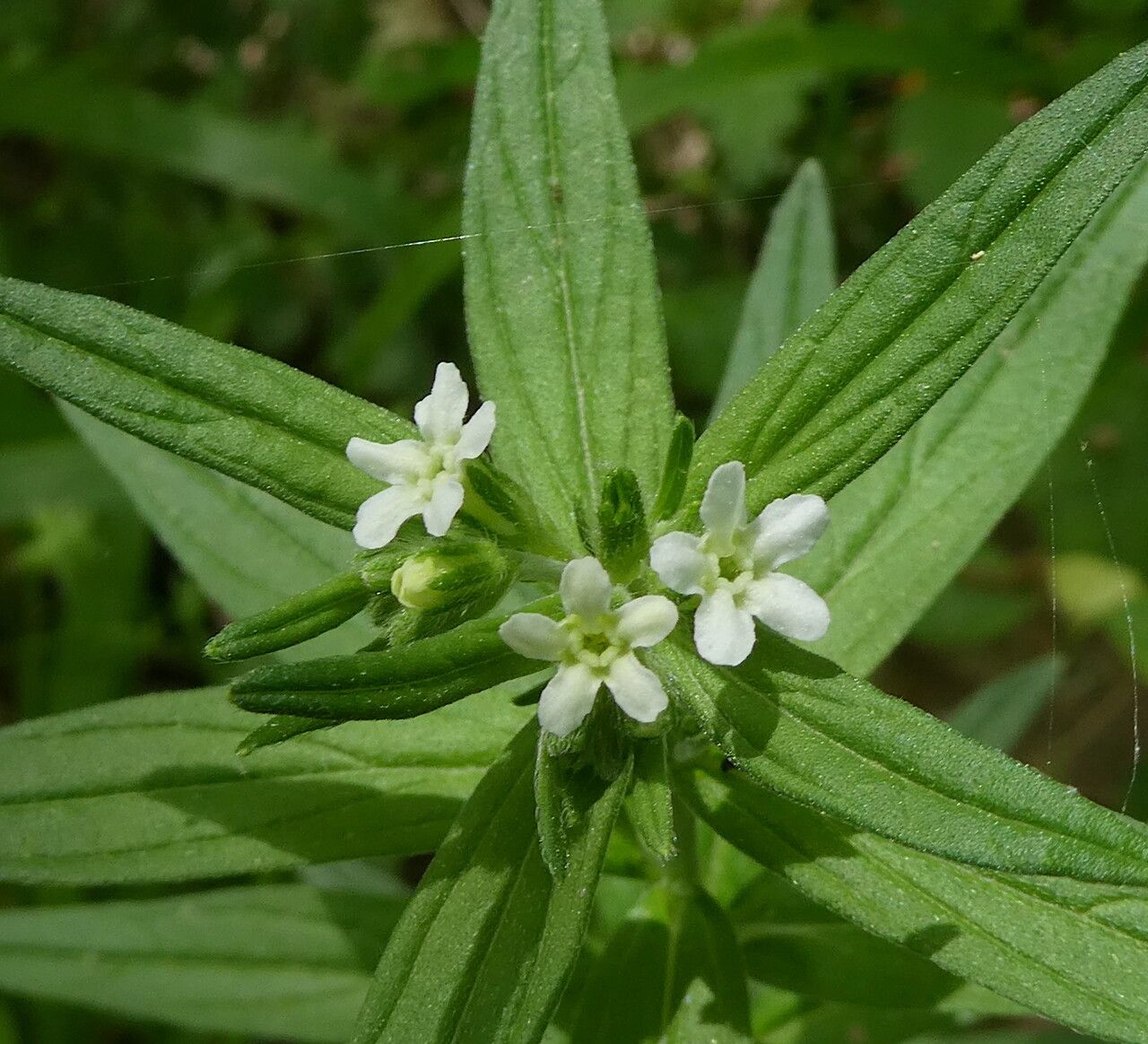
Growing Your Own “Gromwell”: A Beginner’s Guide to Lithospermum officinale Propagation
The world of gardening can be endlessly fascinating, especially when you discover a plant as unique as Lithospermum officinale, commonly known as Gromwell. Sporting delicate, bell-shaped blue flowers and attractive grey-green foliage, this hardy perennial adds a touch of understated elegance to any garden. But what if you want to share this beauty with others, or simply expand your own collection? That’s where propagation comes in, and it’s easier than you might think!
A Look at the Options:
Lithospermum officinale can be successfully propagated using two primary methods:
1. Seed Propagation:
- Timing: Sow seeds in the spring or fall, directly into the garden bed.
- Process: Prepare a well-drained seedbed, scatter the seeds thinly, and gently rake them into the soil. Lightly water and maintain moisture.
- Germination: Seeds typically germinate within 2-4 weeks, but some may take longer.
- Pros: Relatively inexpensive and easy, offers a large number of plants.
- Cons: May require more patience than cuttings, germination may be inconsistent.
2. Cuttings:
- Timing: Take semi-hardwood cuttings in late spring or summer.
- Process: Select healthy stems with new growth, cut them into 4-6 inch sections, and remove the lower leaves. Apply rooting hormone to the cut end and insert the cuttings into a well-draining potting mix. Keep the cuttings moist and in a humid environment, ideally under a misting dome or plastic wrap.
- Rooting: Cuttings typically root within 4-6 weeks. Once well-rooted, you can transplant them outdoors.
- Pros: Faster method for producing new plants, higher success rate compared to seed propagation.
- Cons: Requires more time and effort than sowing seeds, might need special equipment for successful propagation.
Tips for Success:
No matter which method you choose, here are a few key tips for optimal results:
- Soil: Ensure the soil is well-drained and slightly alkaline.
- Sunlight: Gromwell prefers a sunny to partially shaded location.
- Watering: Water regularly, especially during dry periods, to encourage root development.
- Fertilizer: Light fertilization with a balanced fertilizer is usually sufficient.
- Patience: Propagation takes time, so remain patient and give your plants the care they need to thrive.
Beyond the Garden:
Lithospermum officinale boasts some fascinating medicinal properties, which have been used in traditional medicine for centuries. Its roots are known for their diuretic and astringent qualities, while the herb itself might have potential benefits for skin health.
Sharing the Joy:
Once your Gromwell plants are established, you can share the joy of propagation with friends and family. Not only will you add to the beauty of their gardens, but you’ll also be spreading the love for this charming and versatile plant.
So, whether you’re a seasoned gardener or just starting out, give Lithospermum officinale a try. With a little time and effort, you can enjoy the pleasure of growing your own Gromwell plants and reap the benefits of their understated beauty and fascinating history.