
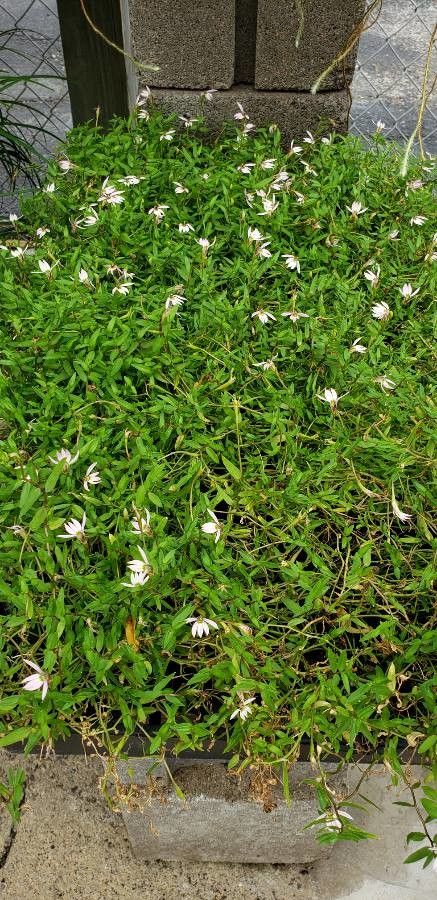
Doubling Your Delicate Delight: Propagating Chinese Lobelia (Lobelia chinensis)
With its charming, delicate blooms of purple or white, the Chinese Lobelia (Lobelia chinensis) brings a touch of understated elegance to any garden. While commercially available, propagating this lovely perennial yourself is a rewarding endeavor, allowing you to expand your floral display and share its beauty with others.
This guide dives deep into the different methods of propagating Chinese Lobelia, empowering you to multiply your floral bounty.
Propagation Methods for Lobelia chinensis
Chinese Lobelia offers gardeners the versatility of propagating through two main methods:
1. Seed Propagation:
- Timing: Ideal time for sowing Lobelia chinensis seeds indoors is late winter or early spring (6-8 weeks before the last frost).
- Process:
- Use a seed starting mix with good drainage.
- Scatter seeds on the surface and lightly press them into the soil, as they require light for germination.
- Mist with water and cover the tray with a humidity dome or plastic wrap.
- Provide a warm environment (around 70°F) and bright, indirect light.
- Germination: Seeds typically germinate within 14-21 days.
- Transplanting: Once seedlings have developed two sets of true leaves, carefully transplant them into individual pots or outdoors after the last frost, spacing them about 6-12 inches apart.
Advantages:
- Cost-effective: Starting from seed is often the most economical option.
- Genetic Diversity: Seed propagation allows for natural variations within the species.
Disadvantages:
- Slower process: It takes longer for plants started from seed to reach maturity and flowering stage.
2. Division:
- Timing: Divide established Lobelia chinensis plants in early spring or fall.
- Process:
- Dig up the entire plant carefully, ensuring you retain as much of the root system as possible.
- Using a sharp, clean knife or garden shears, divide the plant into sections, each with a healthy clump of roots and shoots.
- Replant the divisions at the same depth they were growing originally.
- Post-Division Care: Water the divisions thoroughly and provide some shade during the initial days post-transplantation.
Advantages:
- Faster Results: Divided plants are already mature and will flower sooner than those started from seed.
- Clonal Propagation: Division ensures that you retain the exact characteristics of the parent plant, making it ideal for cultivars with specific flower colors or growth habits.
Disadvantages:
- Limited Quantity: Division only provides a limited number of new plants compared to starting from seed.
Tips for Success:
- Moist but Well-Drained Soil: Lobelia chinensis thrives in constantly moist but well-drained soil.
- Filtered Sunlight: Provide your plants with partial shade, especially during the hottest periods of the day.
- Pinching Back: Encourage bushier growth by pinching back the growing tips of young plants.
- Deadheading: Regularly remove spent flowers to promote continuous blooming and prevent self-seeding if desired.
Whether you choose to start from seed or divide your existing plants, propagating your own Chinese Lobelia is a fulfilling gardening experience. Enjoy watching your efforts bloom into a stunning display of delicate blossoms, gracing your garden with charm and elegance for seasons to come!