
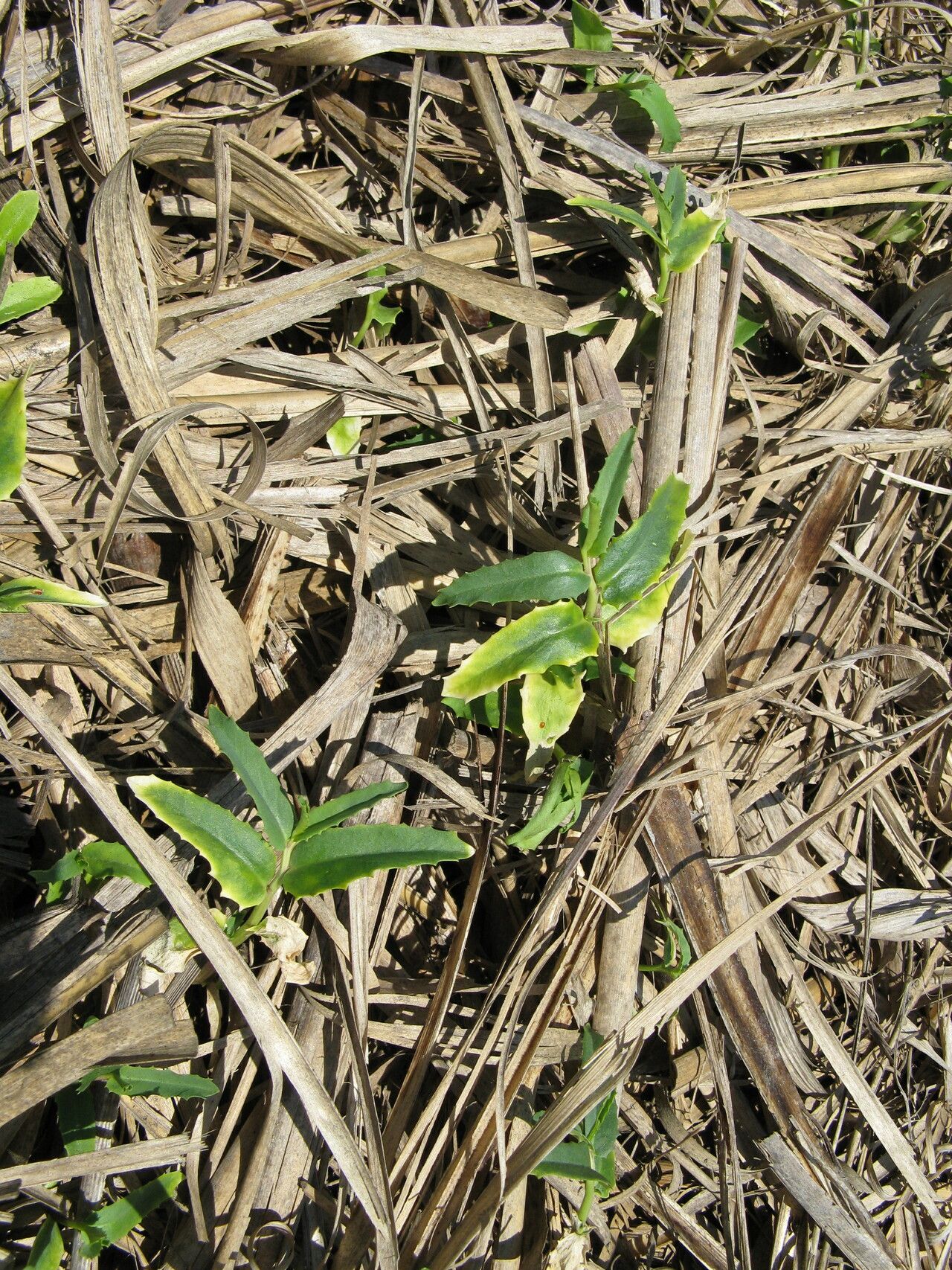
Propagating Lobelia concolor: A Gardener’s Guide
Introduction:
Lobelia concolor, also known as the pale lobelia, is a captivating herbaceous perennial prized for its delicate, pale-blue to lavender flowers and its relatively low maintenance needs. Its graceful form and charming blooms make it a popular choice among gardeners seeking to add a touch of understated elegance to their landscapes or containers. However, propagating Lobelia concolor can present some unique challenges, requiring a careful approach based on the chosen method. This article explores several propagation techniques, highlighting both the hurdles and the rewards.
Seed Germination:
Currently, there are no known reliable methods for seed germination propagation of Lobelia concolor. While some Lobelia species readily germinate from seed, Lobelia concolor appears to be recalcitrant, with limited success reported even by experienced propagators. Further research is needed to determine optimal germination conditions, if any exist.
Cuttings:
Challenges: Cuttings, specifically softwood or semi-hardwood cuttings taken in spring or early summer, offer a more reliable method than seed propagation. However, success depends on providing ideal humidity and temperature conditions to prevent the cuttings from wilting and rooting failure. Fungal diseases can also be a significant problem, especially in humid environments.
Practical Tips: Take 4-6 inch cuttings from non-flowering stems, ensuring each cutting has at least two nodes. Remove lower leaves to prevent rot. Treat the cut ends with a rooting hormone to stimulate root development. Plant the cuttings in a well-draining, sterile propagation mix, and cover with a humidity dome or plastic bag to maintain high humidity. Regularly mist the cuttings, keeping the mix moist but not waterlogged. Good air circulation is crucial to prevent fungal diseases.
Rewards: This method provides genetically identical plants, preserving the desirable characteristics of the mother plant. It’s also a relatively quick method, with rooting occurring within several weeks under optimal conditions.
Division:
Challenges: Division is a viable option, but only for established plants. Lobelia concolor, while perennial, may not form dense clumps that are readily divisible. Care must be taken to avoid damaging the roots during the division process. Repotting divided sections requires attention to provide appropriate soil and watering.
Practical Tips: Divide the plant in spring or autumn, when it is actively growing. Carefully dig up the entire clump, gently separating the roots into smaller sections, each with its own set of stems and roots. Replant these divisions in well-prepared soil with adequate spacing. Water thoroughly after planting.
Rewards: Division allows for an increase in the number of plants without the need for specialized equipment or techniques. It’s a relatively straightforward and low cost technique.
Tissue Culture:
Challenges: Tissue culture is a complex and specialized technique requiring a controlled environment, sterile procedures, and specific media formulations. It’s also resource-intensive, demanding specialized equipment and expertise. Establishing sterile protocols for Lobelia concolor would require considerable research and experimentation.
Practical Tips: (This section would need considerable detailed research, which is beyond the scope of this article. Successful tissue culture requires detailed expertise and specific procedures.)
Rewards: Tissue culture offers the potential for mass propagation, producing large numbers of genetically identical plants in a short time. It’s also the most suitable method for preserving rare or endangered varieties.
Conclusion:
Propagating Lobelia concolor presents unique challenges across all methods. While seed germination appears unreliable currently, cuttings and division provide relatively accessible techniques for the home gardener. Tissue culture, however, remains a specialized and demanding approach, best suited to research or commercial settings. The rewards, though, are well worth the effort: successfully propagating this elegant plant brings a special level of satisfaction, a testament to patience and horticultural skill. For the aspiring propagator, patience and persistence are key – don’t be discouraged by initial setbacks, continue to learn and adapt your techniques. Every successful propagated plant is a small victory that contributes to the rich tapestry of horticulture.