
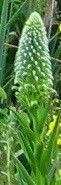
From Seed to Bloom: Propagating the Elegant Lobelia Exaltata
The Lobelia exaltata, also known as the Great Blue Lobelia, is a stunning wildflower that adds a touch of vibrant blue to any garden. Its elegant spires of flowers, reaching up to 5 feet tall, are a captivating sight. But what if you could multiply this beauty and share it with others? The answer lies in the art of propagation!
Methods of Propagation:
Lobelia exaltata can be successfully propagated through two main methods: seed and division.
Seed Propagation: This method is simple and cost-effective.
- Collecting Seeds: Once the flowers mature and wither, brown seed capsules will form. Allow these capsules to dry completely before harvesting the tiny seeds.
- Sowing the Seeds: Sow the seeds indoors in late winter or early spring. Use a seed starting mix and lightly cover the seeds with soil. Maintain a consistently moist environment and a temperature between 65-75 degrees Fahrenheit.
- Transplanting: Once the seedlings have developed a few true leaves, gently transplant them into individual pots or directly into your garden bed. Provide them with ample sunlight and water.
- Division: This method is best for established plants.
- Timing: Divide the plants in early spring or late summer.
- Process: Carefully dig up the plant and separate the root ball into smaller divisions, each with multiple stems and roots. Replant the divisions in new locations, ensuring they receive adequate sunlight and well-drained soil.
Tips for Successful Propagation:
- Soil: Lobelia exaltata thrives in moist, well-drained soil that is rich in organic matter. Consider adding compost to your planting bed for optimal growth.
- Sunlight: This plant prefers full sun to partial shade. Choose a spot that receives at least six hours of sunlight per day.
- Watering: Keep the soil consistently moist, especially during the first year after planting. However, avoid overwatering as it can lead to root rot.
- Fertilizer: You can fertilize the plant with a balanced fertilizer during the growing season.
Beyond the Garden:
The Great Blue Lobelia is more than just a beautiful plant; it’s a valuable part of the ecosystem. Its nectar attracts pollinators like bees and butterflies, contributing to biodiversity. Furthermore, its leaves are edible and have been used in traditional medicine for various ailments.
Cultivating Connection:
Propagating the Lobelia exaltata isn’t just about growing more plants; it’s about connecting with nature and sharing its beauty. Whether you’re starting from seed or dividing an existing plant, the journey is rewarding. From witnessing the tiny seedlings emerge to seeing the magnificent flowers bloom, you’ll gain a deeper appreciation for this remarkable species. So, why not take the plunge and propagate your own Lobelia exaltata? You’ll be rewarded with a garden full of vibrant blooms and a sense of accomplishment that grows with each new plant.