How to Propagate Lobelia longicaulis
Unlocking the Secrets of Lobelia longicaulis: A Propagation Guide for Lush Gardens
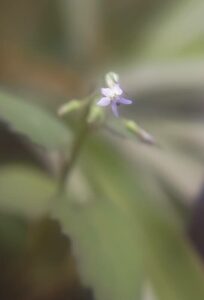
Lobelia longicaulis, with its vibrant, sky-blue flowers and lush foliage, is a captivating addition to any garden. Native to the Americas, this perennial plant, also known as longflower lobelia, thrives in moist environments and adds a touch of wild beauty to borders, ponds, and even hanging baskets. But how does one invite more of these beauties into their lives? Through the rewarding journey of propagation!
This comprehensive guide will delve into the two most effective methods of propagating Lobelia longicaulis: by seed and by cuttings.
1. Propagating Lobelia longicaulis from Seed:
a) Seed Collection:
The first step is acquiring the seeds. Lobelia longicaulis produces small, brown capsules filled with numerous tiny seeds. Wait until the capsules are dry and brown before collecting them. Gently open the capsules over a clean surface to retrieve the seeds.
b) Sowing the Seeds:
Lobelia longicaulis seeds prefer light to germinate but are incredibly fine and prone to being blown away. To sow them effectively:
- Timing is Key: Ideally, sow your seeds indoors 6-8 weeks before the last expected frost.
- Prepare the Soil: Use a well-draining seed starting mix. Moisten the mix thoroughly before sowing.
- Surface Sow: Sprinkle the seeds evenly over the surface, pressing them gently into the mix. Do not cover them with soil, as they require light to germinate.
- Create Humidity: Cover the tray with a clear plastic wrap or humidity dome to maintain moisture and warmth.
- Light and Temperature: Place the tray in a bright location, but out of direct sunlight. A temperature of around 70°F (21°C) is ideal for germination.
- Patience: Germination can take anywhere from 10 days to 3 weeks.
c) Thinning and Transplanting:
- Thin the Seedlings: Once the seedlings develop a couple of true leaves, thin them out, leaving the strongest ones about 6 inches apart.
- Transplanting: After the last frost, carefully transplant your young Lobelia longicaulis to their desired location in the garden, spacing them about 12-18 inches apart.
2. Propagating Lobelia longicaulis from Cuttings:
Propagating from cuttings offers a faster way to obtain established plants and ensures they are genetically identical to the parent plant.
a) Taking the Cuttings:
- Timing: The best time to take cuttings is in late spring or early summer.
- Selection: Choose healthy, non-flowering stems for the cuttings. The ideal cutting should be around 4-6 inches long.
- Make the Cut: Using clean, sharp shears, cut just below a leaf node at a 45-degree angle.
b) Preparing the Cuttings:
- Remove the lower leaves from the cutting, leaving only 2-3 leaves at the top. This directs the plant’s energy into root development.
- (Optional) Dip the cut end in rooting hormone to encourage faster root development.
c) Rooting the Cuttings:
- Similar to seed starting, use a well-draining potting mix.
- Create a hole in the mix and carefully insert the cutting, burying the bottom node.
- Water gently and cover the pot loosely with a plastic bag to create a humid environment.
d) Transplanting:
- Within a few weeks, your cuttings should develop roots. Gently tug on the cutting to check.
- Once the roots are established, transplant the newly rooted Lobelia longicaulis to its permanent location in your garden.
Tips for Success:
- Lobelia longicaulis thrives in moist, well-drained soil. Amend your soil with compost before planting to ensure optimal drainage and fertility.
- Choose a location that receives partial shade, particularly in hotter climates.
- Water your Lobelia longicaulis regularly, especially during dry periods.
Propagating Lobelia longicaulis, whether by seed or cuttings, is a rewarding experience. With a little patience and care, you can enjoy the captivating beauty of these vibrant blue blooms in your garden for years to come.