
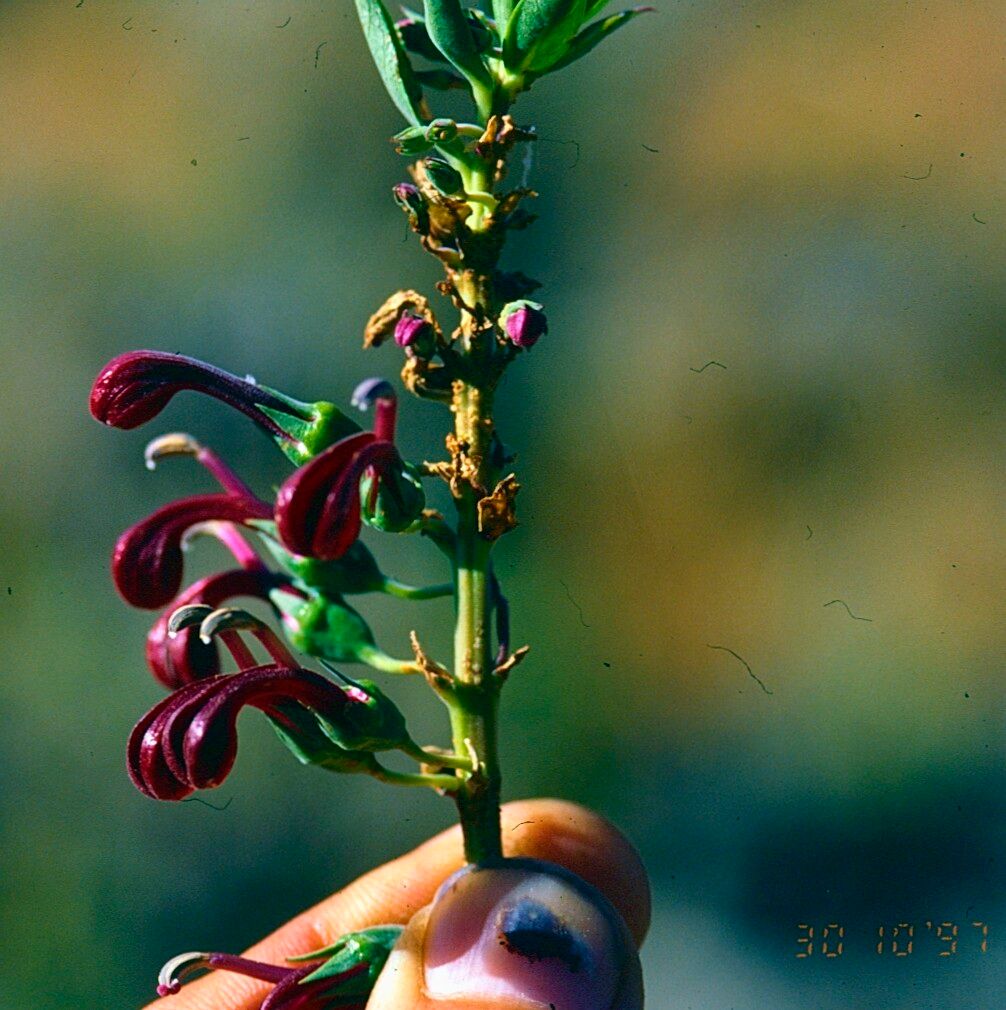
Unlocking the Secrets of Lobelia polyphylla: A Guide to Propagation
Lobelia polyphylla, with its delicate, bell-shaped flowers and striking foliage, is a beloved plant among enthusiasts. But what if you could share its beauty with others, or simply expand your own plant collection? The answer lies in propagation – the art of creating new plants from existing ones.
This guide delves into the world of propagating Lobelia polyphylla, from the basics to insider tips, empowering you to grow this stunning species from your own garden.
Understanding the Process
Propagation refers to the various methods used to create new plants from a single parent plant. When it comes to Lobelia polyphylla, the most common and successful methods are:
- Seed Propagation: This method involves sowing seeds in a well-drained seed starting mix. Lobelia polyphylla seeds are quite small and require light to germinate. It’s best to sow them directly on the surface of the soil and gently mist them with water. Keep the soil consistently moist and warm (around 70°F) for optimal germination, which can take anywhere from 2 to 4 weeks.
- Cuttings: This method involves taking small sections, or cuttings, from the parent plant and encouraging them to develop roots. For Lobelia polyphylla, you can use stem cuttings. Take a 2-3 inch cutting from the tip of a healthy stem, removing the lower leaves to encourage root development. Dip the cut end in a rooting hormone and insert into a humid, well-draining potting mix. Maintain consistent moisture and keep the cutting in bright, indirect light. Within a few weeks, you should see new root growth.
Factors to Consider
- Timing: The optimal time for propagation varies depending on your location and the chosen method. Spring and early summer are often ideal for both seed starting and cuttings, as the warm temperatures encourage growth.
- Environment: Provide a warm and humid environment for your young plants, mimicking their natural habitat. A greenhouse, propagator, or even a covered tray with a plastic dome can create the necessary conditions.
- Lighting: Lobelia polyphylla seeds need ample light to germinate. After germination, provide bright, indirect light, as strong direct sunlight can scorch young plants. Cuttings, once rooted, also benefit from bright, indirect light.
Tips for Success
- Choose Healthy Parent Plants: Select healthy, vibrant parent plants, free from diseases and pests, for the best chance of successful propagation.
- Sterilization: Sterilize your tools to prevent the spread of disease-causing organisms.
- Watering: Maintain consistently moist but not soggy soil for optimal root development. Overwatering can lead to root rot.
- Patience: Propagation requires patience, as it can take a few weeks or even months for new plants to establish themselves.
Enjoying Your New Lobelia polyphylla
Once your new plants are established, you can transplant them into larger pots or directly into the garden. They thrive in well-drained soil and prefer a sunny or partially shaded location. With proper care, they will reward you with their stunning blooms and foliage year after year.
More Than Just Beauty
Lobelia polyphylla is not just a beautiful addition to your garden. It’s also a valuable food source for pollinators, attracting bees, hummingbirds, and butterflies. By propagating Lobelia polyphylla, you contribute to the health and biodiversity of your local ecosystem.
Embark on this rewarding journey of propagation and spread the beauty of Lobelia polyphylla with ease. You’ll not only expand your garden but also play a role in preserving this stunning species for generations to come.