
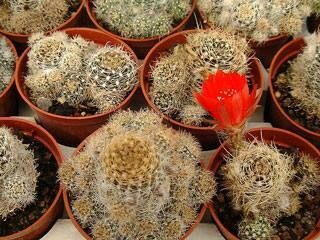
Propagating Lobivia schieliana: A Gardener’s Guide
Introduction:
Lobivia schieliana, sometimes called the "Schielian Lobivia," is a captivating member of the Cactaceae family, prized for its vibrant, often intensely colored flowers that bloom prolifically. These flowers, typically shades of orange, red, or yellow, contrast beautifully with the plant’s spiny, globular body. Its relatively compact size makes it suitable for various growing environments, from sunny windowsills to well-designed succulent gardens. While readily available commercially, propagating Lobivia schieliana offers a rewarding challenge for enthusiasts, potentially leading to a collection of diverse plants and a deeper understanding of this fascinating cactus. The relative ease of some propagation methods, contrasted with the challenges of others, makes it an ideal subject for learning various propagation techniques.
Seed Germination:
Seed germination is a viable method for propagating Lobivia schieliana, though it does present some challenges. The primary difficulty lies in achieving consistent germination rates. Seeds benefit from a period of stratification, often mimicking the natural conditions experienced in their native habitat. This can be achieved by lightly covering the seeds with a fine layer of vermiculite or perlite and storing them in a sealed bag in the refrigerator for 4-6 weeks at 3-5°C (37-41°F). Afterwards, sow the seeds on a well-draining seed-starting mix, ensuring adequate moisture but avoiding waterlogging. A warm, bright location (but not direct sunlight) is essential. Maintain consistent moisture levels throughout the germination period. Germination typically occurs within 2-4 weeks, though some seeds may take longer. The rewards are plentiful: seed-grown plants exhibit a wide range of genetic variation, leading to unique color forms and other intriguing traits. Further, seed propagation allows for large-scale production compared to other methods.
Cuttings:
Propagating Lobivia schieliana from cuttings is generally a less reliable method than seed germination or division. While some species of cacti readily propagate from stem cuttings, Lobivia schieliana is not particularly suited to this technique. The plant’s structure and tendency to rot easily before callusing makes successful propagation from cuttings difficult. Trials are possible, but success is not guaranteed. If one attempts this method, the cuttings should be allowed to callous completely for several days before planting in a well-draining cactus mix, ensuring a low-humility environment to avoid rotting. Even with proper callusing, the risk of rot remains relatively high.
Division:
Division is the most straightforward and reliable method for propagating Lobivia schieliana. Mature plants often produce offsets (pups) at their base. These offsets can be carefully separated from the mother plant, ensuring each offset has its own root system or at least a portion of the root structure. Allow the separated offsets to callous for a few days before planting them individually in a well-draining cactus mix. Division offers a high success rate and readily allows for increasing the number of plants in a relatively short time. Challenges include ensuring gentle separation to avoid damaging both the mother and offset plants.
Tissue Culture:
Tissue culture presents a technically complex, but highly efficient, method for propagating Lobivia schieliana. This technique involves growing plant tissues under sterile conditions in a nutrient-rich medium. While tissue culture allows for the rapid multiplication of plants and efficient disease elimination, it requires specialized equipment, a clean lab environment, and substantial expertise in sterile techniques. This method is generally not practical for home hobbyists, primarily utilized by commercial nurseries or specialized research facilities for large-scale propagation of genetically uniform plants.
Conclusion:
Propagating Lobivia schieliana offers a diverse learning experience, with varied levels of difficulty depending on the chosen method. Seed germination offers the greatest genetic diversity but poses challenges with germination rates and consistency. Division provides the most readily accessible and reliable technique for hobbyists. Cuttings are generally not recommended due to difficulties. Tissue culture offers high efficiency but significant technical hurdles. Ultimately, overcoming these challenges and the resulting success in cultivating these vibrant cacti is incredibly rewarding. The vibrant blooms that emerge from your efforts are a testament to your patience and dedication, making the journey as enjoyable as the destination. For beginners, we highly recommend starting with division to experience the success of propagation without complex techniques. With practice and patience, aspiring propagators will find their prowess with Lobivia schieliana growing as vibrantly as the plants themselves.