
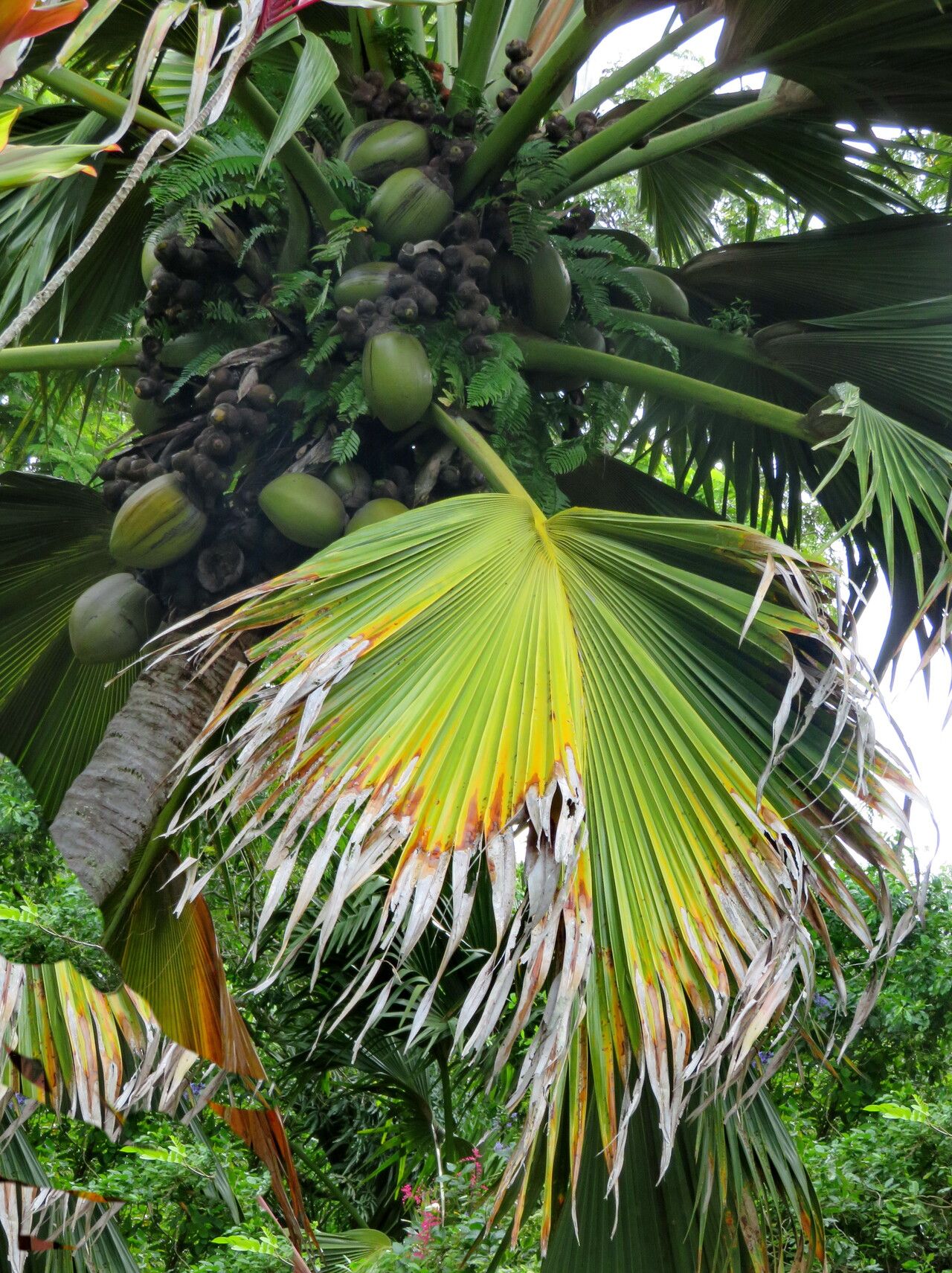
The Double Coconut’s Secret: A Journey into Propagation of Lodoicea maldivica
The Lodoicea maldivica, more commonly known as the Double Coconut or Coco de Mer, is a majestic palm tree native to the Seychelles. Renowned for its enormous, double-lobed seeds, the largest of any plant in the world, the Double Coconut has long fascinated botanists and plant enthusiasts alike. But the wonders of this unique species go beyond its impressive size.
For years, propagation of the Lodoicea maldivica remained a challenging endeavor. The seeds, notoriously recalcitrant, possess a thick, fibrous husk and are prone to rapid deterioration. They also take incredibly long to germinate – up to six months under optimal conditions! These factors have historically limited the plant’s cultivation and conservation efforts.
Breaking Down the Barriers:
However, recent advancements in propagation techniques have shed light on the Double Coconut’s secrets. Here’s a closer look at the most effective methods:
- Direct Sowing: While not always successful, planting the seeds directly in the ground within their natural environment remains the most traditional method. However, it requires a specific set of conditions – fertile, well-drained soil and a consistently humid environment with ample shade during the early stages of growth.
- Seed Scarification: Breaking the tough outer husk of the seed through mechanical scarification has proven to increase germination rates. Techniques involve carefully sawing a small opening in the seed or soaking it in hot water to soften the outer layer. However, caution must be exercised to avoid damaging the delicate inner seed.
- Hormonal Treatment: Applying growth hormones like gibberellic acid to the seed can stimulate germination and promote root development. This technique requires a careful balance of hormone concentration and application timing for best results.
- Tissue Culture: A relatively new yet promising method, tissue culture involves growing plantlets from small pieces of the parent plant under controlled laboratory conditions. This technique is known for producing healthy, disease-free offspring, providing a significant boost to conservation efforts.
- Off-site Nursery Care: Once germinated, the seedlings need meticulous care. A dedicated nursery environment with adequate light, humidity, and optimal nutrient levels is crucial during the initial, delicate growth phase.
Unlocking the Potential:
The progress made in Lodoicea maldivica propagation is a testament to ongoing research and dedicated conservation initiatives. By embracing innovative techniques, enthusiasts and researchers can help preserve this iconic species and ensure its future.
Conservation and Beyond:
Beyond the fascinating scientific aspects, the Lodoicea maldivica holds cultural significance for the people of the Seychelles. Its iconic seeds are revered in local folklore and have even been gifted as diplomatic treasures.
The propagation advancements not only aid in safeguarding the Double Coconut’s future but also open doors to wider cultivation opportunities. As people continue to be captivated by its unique magnificence, the Lodoicea maldivica has the potential to become a sought-after ornamental plant, bringing its captivating beauty to gardens around the globe.
The Journey Continues:
The propagation of the Lodoicea maldivica is an ongoing journey, full of scientific exploration and cultural appreciation. By understanding its unique requirements and embracing the advancements made, we can ensure this magnificent palm tree flourishes for generations to come. So, next time you come across a Double Coconut, take a moment to appreciate the fascinating story behind its cultivation and the dedicated efforts to safeguard this ecological treasure.