
Unveiling the Secrets of Lomatium cous Propagation: A Guide for Plant Enthusiasts
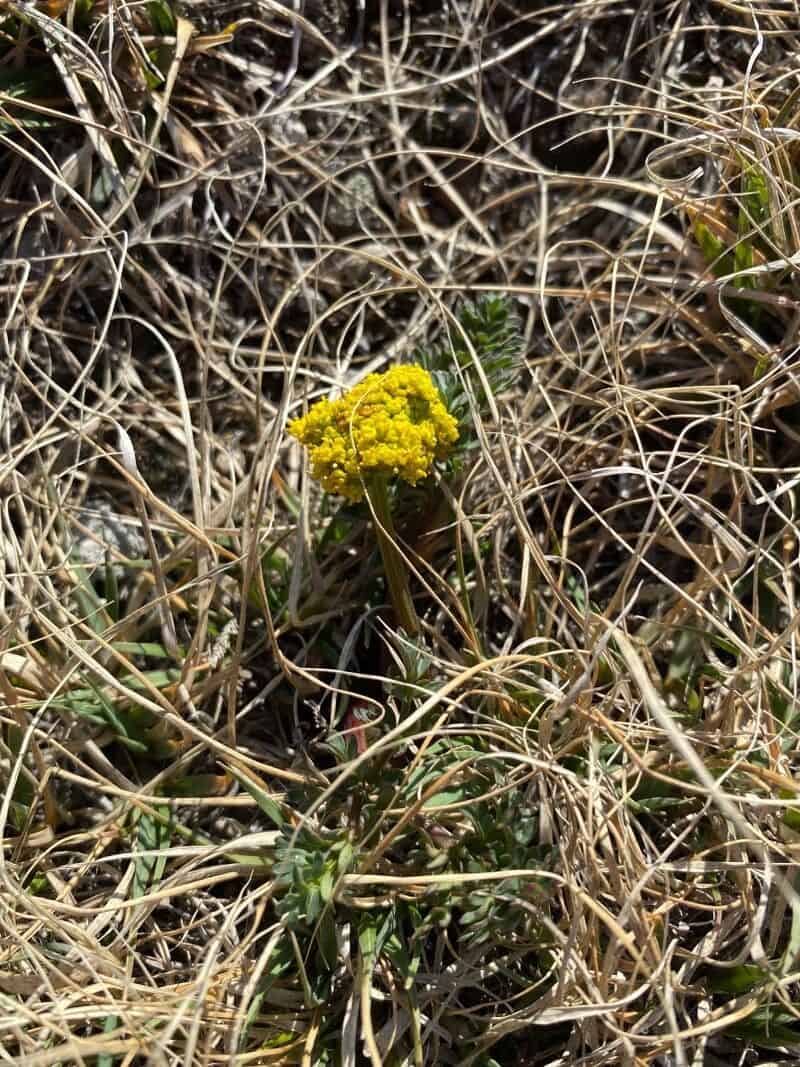
Lomatium cous, also known as the Cous Biscuitroot, is a captivating wildflower native to the western United States. Its delicate, yellow umbels burst forth in spring, adding a touch of sunshine to rocky slopes and meadows. While admiring these beauties in their natural habitat is a treat, wouldn’t it be wonderful to cultivate them in your own backyard?
This guide delves into the fascinating world of Lomatium cous propagation, equipping you with the knowledge to successfully grow this resilient plant.
Two Paths to Propagation:
Lomatium cous can be propagated through two primary methods:
Seed: The most common and rewarding method for the home gardener, seed propagation invites you to participate in the plant’s lifecycle from the very beginning.
- Division: This technique, slightly more advanced, involves separating established clumps to create new plants.
Embarking on Your Propagation Journey: Seed Starting
Collecting Seeds: Timing is crucial! Collect mature seeds in late spring or early summer as the seed heads turn brown and dry.
Breaking Dormancy: Lomatium cous seeds have a natural dormancy mechanism, a clever survival strategy employed by nature. To encourage germination, cold stratification is key. You can mimic winter conditions by storing the seeds in a moist paper towel inside a sealed plastic bag in your refrigerator for 6-8 weeks.
Sowing the Seeds: In fall, plant the stratified seeds directly into prepared garden beds or individual pots. Sow them about ¼-inch deep in a well-draining soil mix.
- Patience is Key: Germination may take several weeks or even months. Keep the soil consistently moist, but not waterlogged.
The Art of Division:
Optimal Timing: Early spring, just as new growth emerges, is the ideal time to divide Lomatium cous.
Careful Excavation: Gently dig around the plant, ensuring you lift the entire clump with its root system intact.
Dividing the Clump: Using a sharp, clean knife or garden spade, divide the clump into sections, each containing a healthy portion of roots and shoots.
- Replanting: Replant the divisions immediately, ensuring the crown of the plant (where the roots meet the stems) is level with the soil surface. Water thoroughly.
Cultivating Success:
Sun-Kissed Location: Lomatium cous thrives in full sun to partial shade.
Well-Drained Soil: Excellent drainage is paramount. Amend heavy clay soils with sand or gravel to prevent root rot.
Watering Wisely: Water deeply but infrequently, allowing the soil to dry out between waterings. Once established, Lomatium cous is relatively drought-tolerant.
- Embracing its Wild Nature: Avoid excessive fertilization, as this can lead to leggy growth and reduced flowering.
Reaping the Rewards:
Successfully propagating Lomatium cous not only brings the joy of witnessing new life emerge but also allows you to expand your garden’s biodiversity and attract beneficial pollinators. As this remarkable plant graces your garden with its cheerful blossoms, you’ll find deep satisfaction in knowing you played an active role in its journey.