
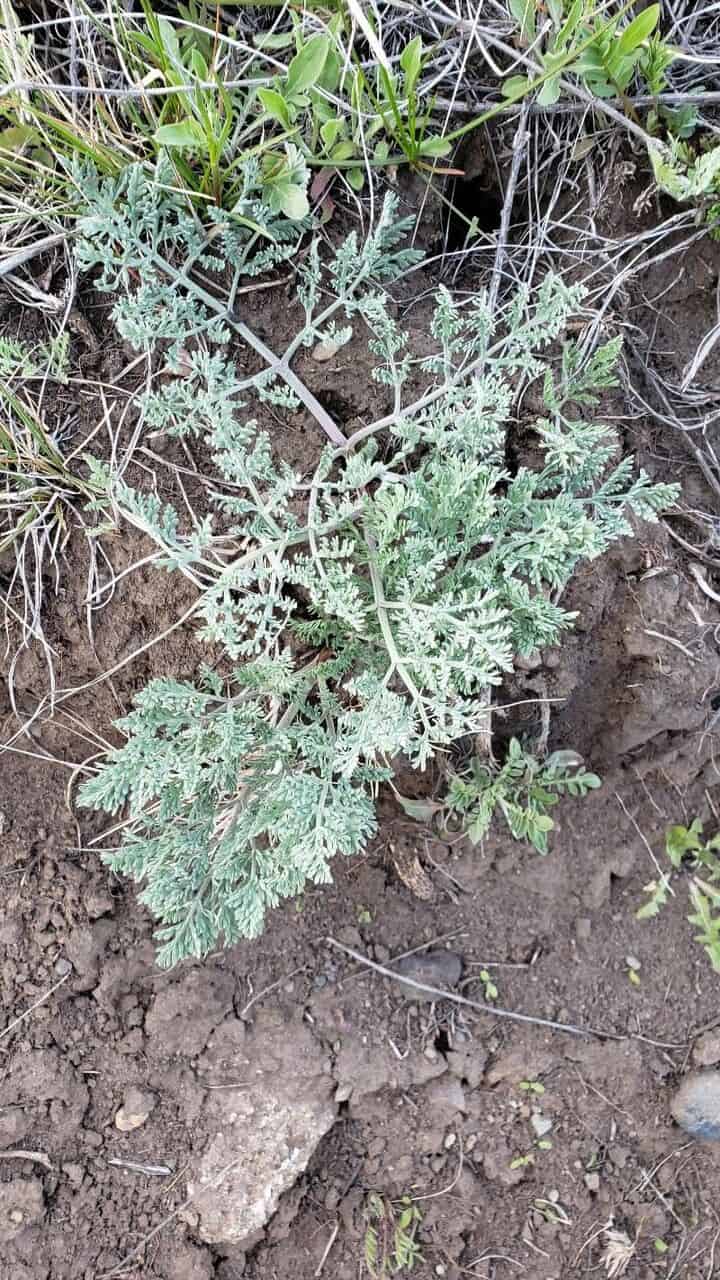
Unveiling the Secrets of Lomatium foeniculaceum: A Guide to Propagation
The plant world is full of hidden treasures, and Lomatium foeniculaceum, also known as the desert parsley or carrotleaf lomatium, is no exception. This captivating perennial, native to the western United States, boasts delicate fern-like foliage and charming yellow umbels of flowers. But beyond its beauty, Lomatium foeniculaceum carries cultural significance, having been used by Native Americans for medicinal and culinary purposes.
If you’re intrigued by this fascinating plant and wish to invite it into your garden, understanding its propagation methods is key. While it might seem daunting at first, propagating Lomatium foeniculaceum can be achievable with a little patience and the right techniques.
Growing from Seed: Embracing the Challenge
Lomatium foeniculaceum is most commonly propagated from seed, though it requires a bit of finesse. Here’s a step-by-step guide:
Seed Collection: Collect seeds in late spring or early summer, when the seed heads turn brown and dry. Ensure the seeds are completely dry before storing them in a cool, dry place.
Cold Stratification: Mimicking nature’s way, Lomatium foeniculaceum seeds require a period of cold stratification to break dormancy. Place the seeds in a moist paper towel inside a sealed plastic bag and refrigerate for 6-8 weeks.
Sowing: In early spring, sow the stratified seeds in seed trays or pots filled with a well-draining seed starting mix. Sow seeds about ¼ inch deep and mist lightly.
Light and Water: Place the trays/pots in a bright location, but away from direct sunlight. Keep the soil consistently moist but not waterlogged.
- Transplanting: Germination can be slow and erratic, taking several weeks or even months. Once seedlings have developed a couple of true leaves, transplant them into individual pots or directly into the garden after the last frost.
Vegetative Propagation: A Less Common Route
Propagating Lomatium foeniculaceum vegetatively is less common due to its taproot system, which can be easily damaged. However, division is possible, though not always successful. Here’s how:
Timing is Key: Divide established plants in early spring or fall when the plant is dormant.
Careful Division: Carefully dig up the plant, ensuring you minimize damage to the taproot. Using a sharp, sterilized knife, divide the plant into sections, making sure each section has a portion of the taproot and healthy foliage.
- Replanting: Replant the divisions immediately in well-draining soil. Water deeply and provide shade during the initial establishment phase.
Thriving in Your Garden: A Few Tips
Lomatium foeniculaceum prefers well-draining soil and full sun to partial shade. Once established, it’s fairly drought tolerant and requires minimal watering. Fertilize sparingly, as over-fertilizing can hinder its growth.
A Rewarding Journey:
While propagating Lomatium foeniculaceum requires some effort, the reward of seeing these beautiful plants flourish in your garden is well worth it. By following these tips and understanding the plant’s needs, you can successfully propagate this captivating species and contribute to its preservation.