
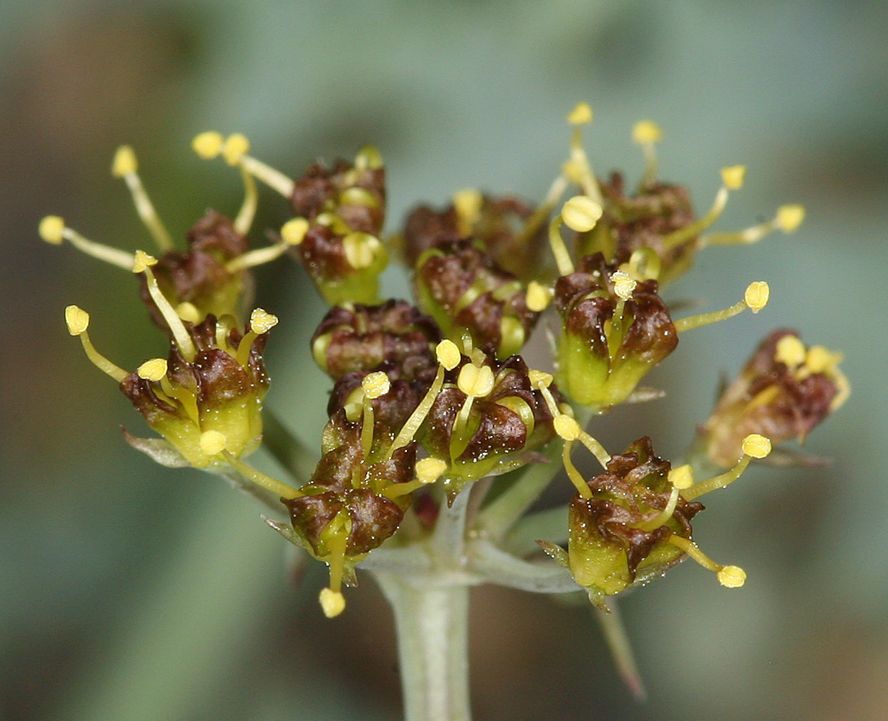
Taming the Wild: Propagating Lomatium rigidum From Seed to Sanctuary
Lomatium rigidum, also known as the stiff desert parsley, is a captivating plant native to the Western United States. Its delicate yellow blooms resemble miniature fireworks, bursting forth in the spring to adorn arid landscapes. While often admired in the wild, bringing Lomatium rigidum into your own garden presents a rewarding challenge. This guide will delve into the intricacies of propagating this resilient beauty, exploring the journey from seed to sanctuary.
Understanding Lomatium rigidum’s Preferences
Before embarking on the propagation journey, it’s crucial to understand the natural habitat of Lomatium rigidum. Thriving in dry, rocky soils and full sun exposure, this species has adapted to harsh conditions. Mimicking these conditions is key to successful propagation.
Method 1: Sowing the Seeds of Success
Propagation from seed offers a deeply satisfying experience. Here’s how to maximize your chances of success:
- Seed Collection: Collect seeds from mature plants in late spring or early summer. Look for dry seed heads that readily disperse their contents.
- Cold Stratification: Lomatium rigidum seeds require a period of cold stratification to break dormancy and encourage germination. In fall, sow seeds directly outdoors, lightly pressing them into the soil. Alternatively, you can cold stratify seeds indoors by placing them in a moist paper towel within a sealed bag in the refrigerator for 6-8 weeks.
- Soil and Location: Choose a well-draining, sandy or gravelly soil mixture that reflects their natural habitat. Select a location with full sun exposure.
- Patience is Key: Germination can be slow and erratic, often taking several weeks to several months. Be patient and maintain consistent moisture without overwatering.
Method 2: Division: Sharing the Bounty
For established plants, division offers a way to propagate and maintain their vigor:
- Timing is Everything: Choose early spring, when new growth appears, for division.
- Careful Excavation: Gently dig up the entire plant, ensuring minimal root disturbance.
- Division Process: Using a sharp, clean knife or spade, divide the plant into sections, ensuring each portion has a healthy root system and several growth points.
- Replanting: Replant the divisions at the same depth they were originally growing, water them in well, and provide temporary shade until they re-establish.
Nurturing Your Lomatium rigidum
Once your Lomatium rigidum plants are established, they require minimal care:
- Watering: Water deeply but infrequently, allowing the soil to dry out between waterings. They are drought-tolerant once established.
- Fertilizing: In most cases, Lomatium rigidum doesn’t need regular fertilization. If your soil is particularly poor, a light application of balanced fertilizer in the spring can be beneficial.
- Pests and Diseases: Lomatium rigidum is generally pest and disease-free.
Connecting with Nature’s Resilience
Propagating Lomatium rigidum is a testament to the enduring spirit of nature. By understanding its preferences and providing the right conditions, you can cultivate this captivating species and contribute to its preservation. Not only will you be rewarded with their stunning blooms, but you’ll also play a role in fostering biodiversity and appreciating the beauty of our native flora.