
From Seed to Sprouts: A Guide to Propagating Lomatium utriculatum
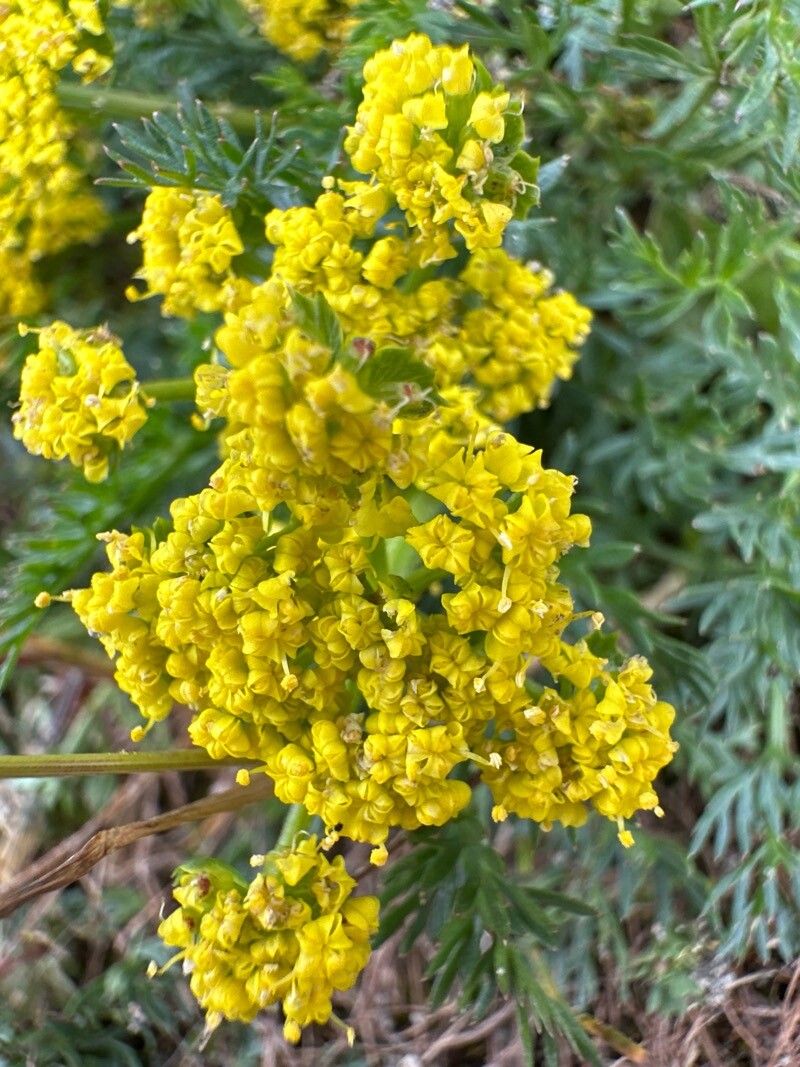
Lomatium utriculatum, with its delicate, fern-like foliage and vibrant yellow blooms, is a captivating wildflower native to the western United States. For those who admire its beauty and ecological significance, propagating this plant at home can be a rewarding and fulfilling endeavor. This guide will provide you with the knowledge and techniques to successfully grow Lomatium utriculatum from seed.
Understanding Lomatium utriculatum’s Life Cycle:
Lomatium utriculatum, commonly known as “biscuitroot” or “desert parsley,” has a unique life cycle that requires a period of cold stratification before germination. This process mimics the natural winter conditions that the seeds experience in their native habitat.
Choosing the Right Time for Propagation:
The ideal time to sow Lomatium utriculatum seeds is in the fall, mirroring their natural autumn germination period. This allows for the cold stratification process to occur naturally over the winter months.
Gathering Seeds:
If grown from seed, Lomatium utriculatum flowers can be harvested in the late summer for seeds. Once harvested, dry the seeds and store them in a cool, dry place until ready to plant.
The Art of Cold Stratification:
Cold stratification is a necessary step for Lomatium utriculatum seed germination. This process involves exposing the seeds to a period of cold temperatures to break their dormancy.
Here’s how to effectively stratify Lomatium utriculatum seeds:
- Mix Seeds with a Medium: Combine your Lomatium utriculatum seeds with a moist medium like vermiculite or peat moss. Ensure the mixture is damp but not soggy.
- Refrigeration is Key: Place the seed/medium mixture in a sealed container within your refrigerator for a period of 8-12 weeks. Monitor the moisture levels and maintain a consistent temperature close to 40°F.
- Patience is a Virtue: After the cold stratification period, you can remove the seeds from the refrigerator and proceed with sowing.
Sowing the Seeds:
With cold stratification complete, you’re ready to start sowing your Lomatium utriculatum seeds. Consider these steps:
- Prepare Your Growing Medium: Utilize a well-draining potting mix or seed starting mix. You can also use a mix of compost and sand for optimal drainage.
- Shallow Sow: Carefully sow the Lomatium utriculatum seeds onto the surface of the growing medium and lightly cover them with a thin layer of soil.
- Consistent Watering: Maintain a consistently moist environment, but avoid overwatering. The seeds need moisture but will rot if over-saturated.
- Sunlight is Essential: Place your seed trays in a location that receives bright, indirect sunlight.
- Patience Pays Off: Germination can take several weeks, so be patient. Monitor your seeds regularly for signs of growth.
Transplanting Your Lomatium utriculatum:
Once your Lomatium utriculatum seedlings develop 2-3 true leaves, they are ready to be transplanted outdoors. Select a sunny to partially shaded location with well-drained soil.
Tips for Success:
- Water Regularly: Keep the soil consistently moist but not soggy, especially during the establishment phase.
- Fertilize Sparingly: Apply a balanced fertilizer sparingly, as Lomatium utriculatum prefers lean soil conditions.
- Protect from Pests and Diseases: Inspect your plants regularly for pests and diseases, and address any issues promptly.
By carefully following these propagation techniques, you can cultivate the beauty and resilience of Lomatium utriculatum in your own garden. The joy of watching these wildflowers flourish from seed is a rewarding experience that deepens our connection with nature.