
Unveiling the Secrets of Lonchocarpus Lanceolatus Propagation: A Guide for Green Thumbs
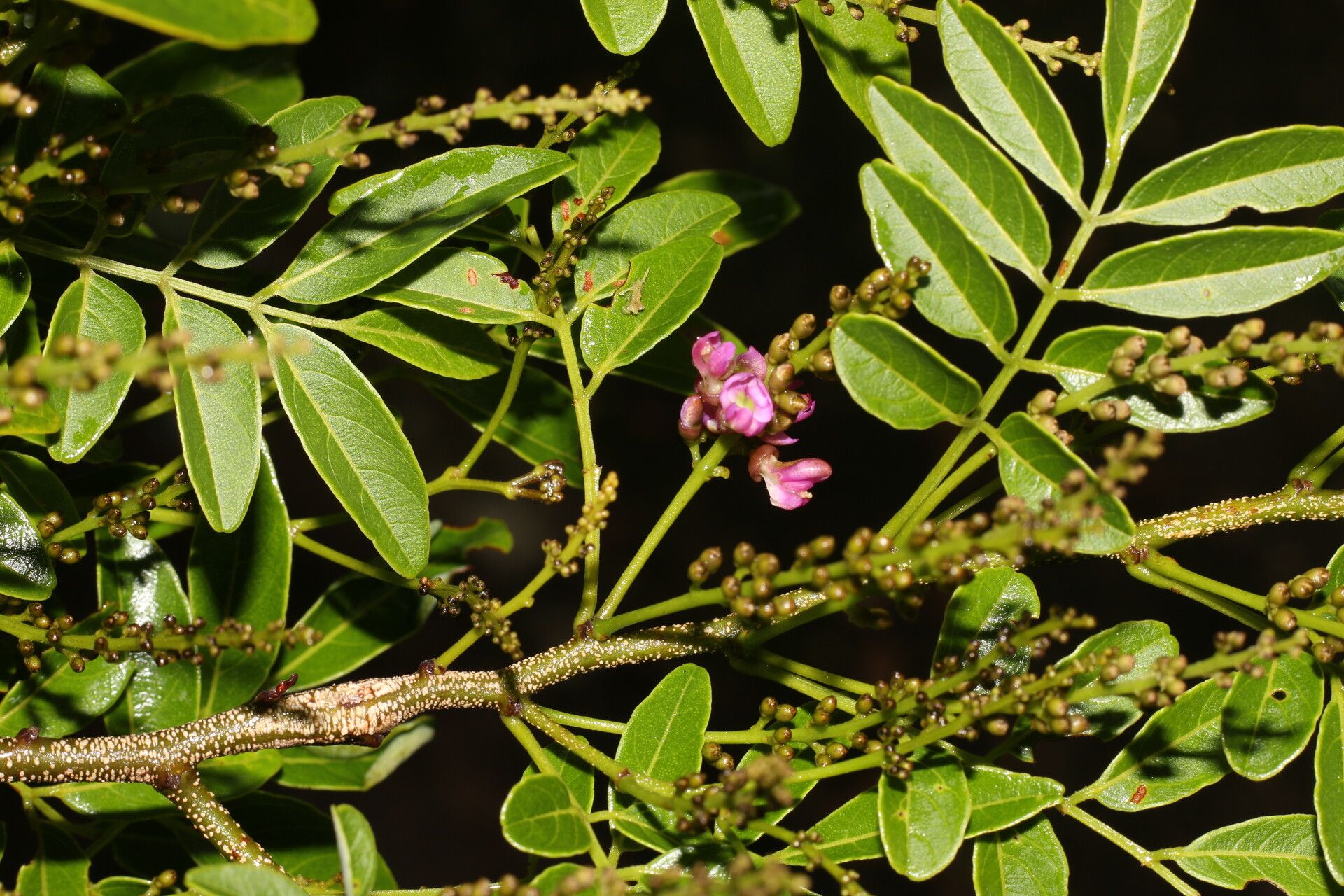
Lonchocarpus lanceolatus, with its elegant drooping branches and vibrant violet blooms, is a sight to behold. Native to Central and South America, this tropical beauty, also known as “Lancepod” or “Water Cabbage,” can bring a touch of exotic charm to your garden. While admiring its beauty is easy, propagating Lonchocarpus lanceolatus might seem like a gardener’s enigma. Fear not, fellow plant enthusiasts, for we’re about to unravel the secrets of multiplying this striking species!
Understanding the Propagation Puzzle
Like many plants, Lonchocarpus lanceolatus can be propagated through two primary methods: seeds and cuttings. While both techniques can be successful, each presents its own set of advantages and challenges.
1. Seeds: A Journey of Patience and Reward
Propagating Lonchocarpus lanceolatus from seed requires the virtue of patience. The seeds, often concealed within elongated pods, need a bit of a head start. Here’s a step-by-step guide:
- Seed Collection: Harvest mature, dry pods from a healthy plant. Allow them to dry further indoors until they readily split open, revealing the precious seeds within.
- Scarification and Soaking: Enhance germination by gently nicking the seed coat with a nail file or sandpaper. Soak the seeds in lukewarm water for 24 hours to further encourage the germination process.
- Sowing the Seeds: Plant the seeds about half an inch deep in a well-draining seed starting mix. Ensure the soil stays consistently moist but not waterlogged.
- Light and Warmth: Lonchocarpus lanceolatus seeds enjoy warmth and bright, indirect sunlight for optimal germination. A seedling heat mat can be beneficial in maintaining a consistent temperature.
- Germination Time: Be prepared for a potentially lengthy process. Germination can take anywhere from a few weeks to several months.
2. Cuttings: A Shortcut to Success
Taking cuttings offers a quicker and often more reliable route for propagating Lonchocarpus lanceolatus. This method involves encouraging a section of the parent plant to develop its own root system. Here’s how you can do it:
- Choosing the Right Cuttings: Select healthy, semi-hardwood cuttings from the current year’s growth. Ideal cuttings are around 4-6 inches long and have several leaf nodes.
- Preparing the Cuttings: Remove the leaves from the lower third of the cutting. Dipping the cut end in rooting hormone powder can significantly increase success rates.
- Planting the Cuttings: Insert the cuttings into a well-draining potting mix, ensuring at least one leaf node is buried.
- Moisture and Humidity: Maintain a humid environment around the cuttings. A humidity dome or misting regularly can be beneficial.
- Rooting Time: Within several weeks, the cuttings should begin developing their own root systems, indicating successful propagation.
Nurturing Your Lonchocarpus Lanceolatus Offspring
Whether you choose seeds or cuttings, providing the right care is crucial for your newly propagated Lonchocarpus lanceolatus to thrive. These plants prefer:
- Well-draining soil: A mixture of peat moss, perlite, and loam creates an ideal growing medium.
- Bright, indirect light: Avoid harsh, direct sunlight which can scorch their delicate leaves.
- Consistent watering: Water thoroughly when the top inch of soil feels dry, allowing excess water to drain.
- Warm Temperatures: Lonchocarpus lanceolatus thrives in temperatures above 60°F.
Reaping the Rewards
Successfully propagating Lonchocarpus lanceolatus brings immense satisfaction and the opportunity to expand your garden’s beauty. With patience, care, and a touch of green-thumb magic, you can multiply these exquisite plants and share their splendor with fellow enthusiasts. So, embrace the joy of propagation, and let your garden flourish with the captivating charm of Lonchocarpus lanceolatus!