
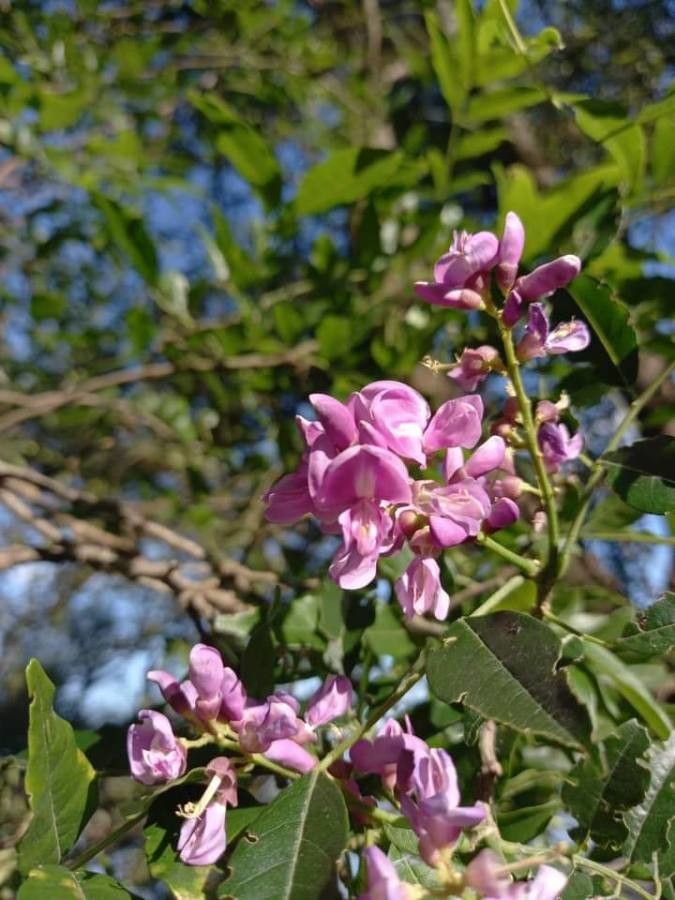
From Seed to Splendor: Propagating the Majestic Lonchocarpus nitidus
The Lonchocarpus nitidus, with its vibrant purple blooms and glossy, vibrant foliage, is a botanical jewel that can transform any garden. But how do you get your hands on this captivating plant? While you can purchase seedlings or saplings, the joy of propagation allows you to grow your own, creating a special connection with this remarkable species.
Seeds: The Path to New Life
The most common method of propagating Lonchocarpus nitidus is through seeds. Here’s how to embark on this rewarding journey:
- Harvesting Seeds: Seeds are found within the pods that develop after the flowers fade. Allow the pods to ripen and turn brown before harvesting. Inside, you’ll find small, dark seeds.
- Preparation: Before sowing, scarify the seeds by gently nicking the hard outer coat with a sharp knife or rubbing them on sandpaper. This aids in germination.
- Sowing: Choose a well-draining seed-starting mix and fill a seed tray or small pots. Sow the seeds about 1/4 inch deep and cover lightly with soil. Mist the surface lightly and keep the mix consistently moist but not waterlogged.
- Germination: Depending on climate conditions, seeds can take several weeks to germinate. Maintain a warm and bright location, but avoid direct sunlight. Once seedlings emerge, provide them with adequate light and ensure they get plenty of water.
- Transplanting: When seedlings have developed a few true leaves, carefully transplant them into individual pots. Choose a well-draining potting mix and continue to provide consistent watering.
Beyond Seeds: Exploring Other Options
While seed propagation is reliable, you can also explore other methods:
Cuttings: Taking stem cuttings is another viable option. Choose a healthy, non-flowering stem and make a clean cut just below a node (where leaves grow). Dip the cut end in rooting hormone and plant it in a well-draining potting mix. Keep the cutting in a humid environment with indirect light until roots develop.
Layering: Air layering is a technique where you induce root formation on a branch without severing it entirely. This involves making an incision on a stem, exposing the cambium layer. Surround the incision with moist sphagnum moss and wrap it with plastic. Keep the moss consistently moist until roots form. Once roots are established, carefully cut the branch below the rooted section and plant it as an independent plant.
A Word of Caution: Lonchocarpus nitidus is a known host plant for certain insects, so be vigilant for signs of pests and take appropriate measures to control them.
From Propagation to Paradise
By embracing propagation, you not only expand your garden’s size but also embark on a journey of horticultural discovery, learning the intricacies of plant life and fostering a deeper connection with nature. Lonchocarpus nitidus, with its breathtaking blooms and captivating presence, is more than just a plant; it’s a testament to the beauty and wonder of the natural world, and you can now be a part of its remarkable journey.