
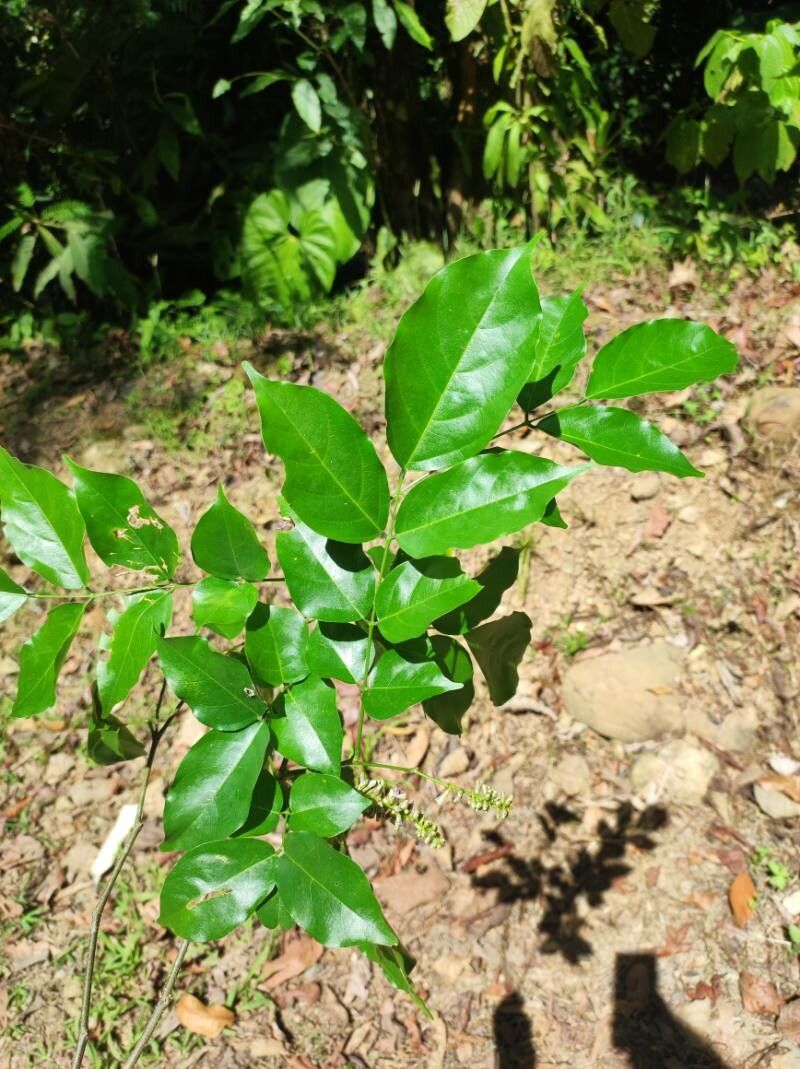
Unlocking the Secrets of the Lancepod: A Guide to Propagating Lonchocarpus oliganthus
The Lonchocarpus oliganthus, more commonly known as the Lancepod or White Bead, is a captivating tree native to the Americas. With its graceful weeping foliage, vibrant violet blooms, and intriguing seed pods, it’s a striking addition to any landscape. But how do you welcome this beauty into your own garden? Let’s delve into the art of propagating Lonchocarpus oliganthus.
Two Paths to Propagation:
Like many plants, the Lancepod can be propagated through two primary methods: seeds and cuttings. Each technique has its advantages and drawbacks, catering to different levels of gardening expertise.
1. The Miracle of Seeds:
- Source: Harvest mature, dry pods directly from the tree or purchase seeds from a reputable supplier.
- Timing is Key: Spring is the ideal time for sowing, as the warmer soil temperatures promote germination.
- Preparation: Due to the hard seed coat, scarification is recommended. Lightly nick the seed coat with a file or sandpaper, allowing for easier water absorption.
- Sowing: Plant the seeds in a well-draining seed-starting mix, barely covering them with soil.
- Patience: Germination can take several weeks, so be patient and maintain consistent moisture.
While seed propagation offers the reward of witnessing the entire life cycle of your Lancepod, it’s generally a slower process, and success isn’t always guaranteed.
2. Fast-Tracking with Cuttings:
- Optimal Timing: Late spring or early summer, when the plant is actively growing, is the prime time for taking cuttings.
- Selecting the Cuttings: Look for healthy, non-flowering stems around 4-6 inches long.
- Preparing the Cuttings: Make a clean cut just below a leaf node and remove the lower leaves. Dipping the cut end in rooting hormone can significantly improve success rates.
- Planting: Use a well-draining potting mix and insert the cutting, burying the bottom node.
- Creating a Humid Environment: Cover the cutting with a plastic bag or use a humidity dome to maintain moisture.
- Rooting: With proper care, roots should develop in 4-8 weeks, after which you can gradually acclimate the cutting to outdoor conditions.
Cuttings offer a faster way to get a new Lancepod established, and they ensure the offspring will be genetically identical to the parent plant.
Nurturing your Lancepod:
Regardless of your chosen propagation method, providing the right care is essential for success. Lonchocarpus oliganthus thrives in well-drained soil and prefers full sun to partial shade. It’s relatively drought-tolerant once established but appreciates regular watering, especially during dry spells.
A Rewarding Endeavor:
Whether you choose the rewarding journey of seed propagation or the efficiency of cuttings, welcoming a Lonchocarpus oliganthus into your garden is a rewarding experience. With its elegance and resilience, this captivating tree is sure to become a treasured centerpiece in your outdoor haven.