
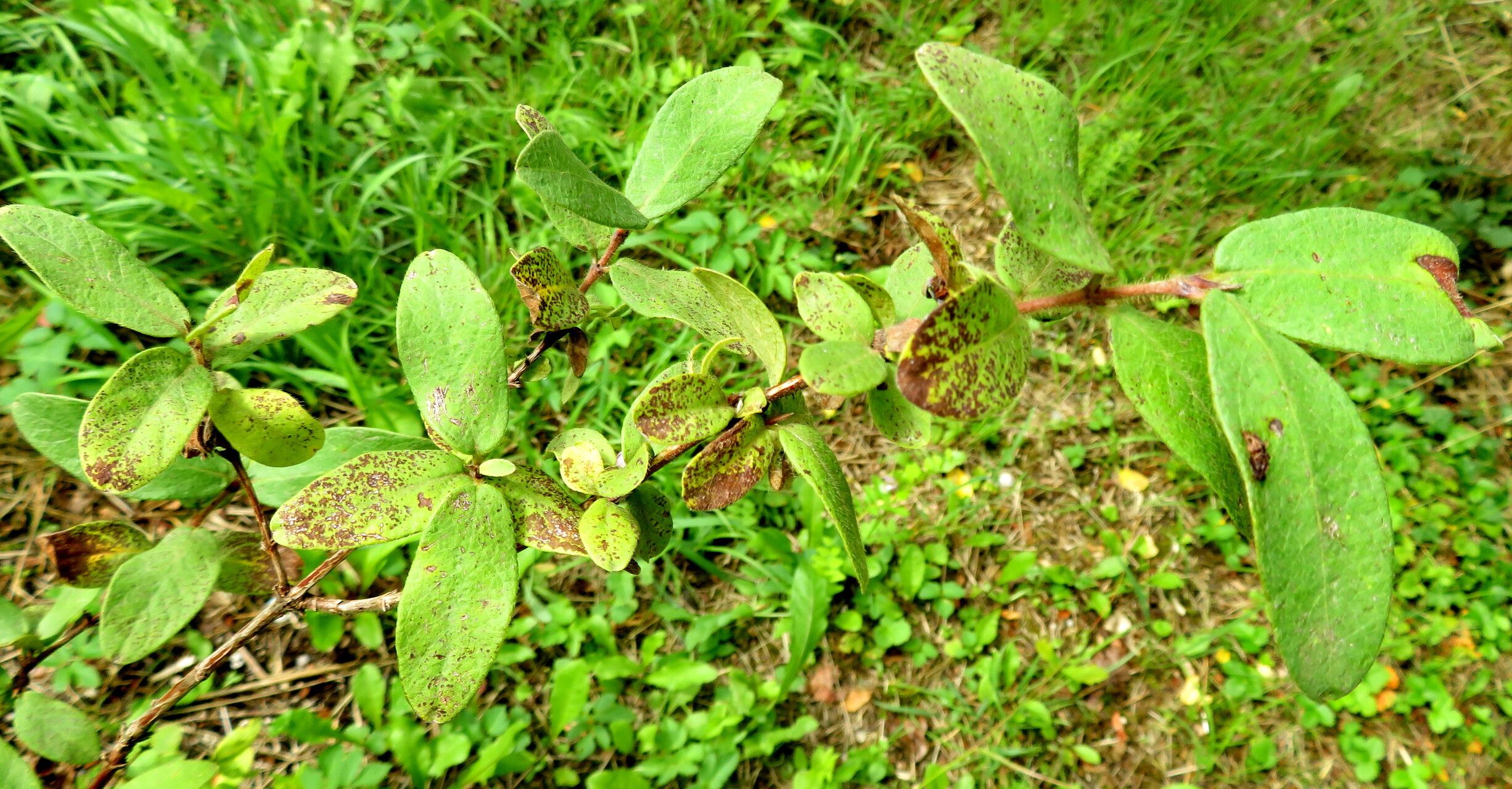
Unlocking the Secrets of Caucasian Honeysuckle Propagation: A Guide to Growing More of this Fragrant Beauty
The Caucasian honeysuckle (Lonicera caucasica) is a sight to behold, with its delicate, brightly-colored blooms and intoxicating fragrance. This climbing vine can transform any garden into a vibrant oasis, attracting pollinators and adding vertical interest. While admiring its beauty is a joy, wouldn’t it be wonderful to multiply your floral bounty? Propagating your own Caucasian honeysuckle is a rewarding experience that’s easier than you might think. Let’s delve into the secrets of successfully propagating this captivating plant.
Understanding Your Options: Different Propagation Techniques
There are two primary methods for propagating Caucasian honeysuckle:
Cuttings: This technique involves taking a cutting from a healthy stem and encouraging it to develop roots.
- Layering: This method involves bending a stem down to the ground and encouraging it to develop roots while still attached to the parent plant.
Cuttings: A Step-by-Step Guide
Cuttings offer a straightforward approach to propagation, allowing you to create multiple new plants from a single stem. Here’s a breakdown of the process:
1. Timing is Key: The ideal time for taking cuttings is during the late spring or early summer when the plant is actively growing.
2. Selecting the Right Stem: Choose a healthy, non-flowering stem that’s around 4-6 inches long. Look for stems with new growth that are pliable but not too soft.
3. Making the Cut: Use sharp, sterilized pruning shears or a knife to make a clean cut just below a leaf node (the point where a leaf emerges from the stem).
4. Preparing the Cutting: Remove the leaves from the bottom third of the cutting. You can dip the cut end in rooting hormone powder to encourage faster root development, although this isn’t strictly necessary.
5. Planting the Cutting: Plant the prepared cutting in a pot filled with a well-draining potting mix, ensuring the bottom node is buried. Water it gently.
6. Providing the Right Environment: Place the pot in a warm, bright location, out of direct sunlight. Maintaining a humid environment by covering the pot with a plastic bag or using a humidity dome can greatly increase success rates.
7. Patience is a Virtue: It can take several weeks for the cutting to develop roots. Once new growth emerges, it’s a good sign that roots have formed.
Layering: A More Gradual Approach
Layering is a gentler technique that ensures the developing plant continually receives nutrients and water from the parent plant.
1. Choosing a Stem: Select a healthy, flexible stem close to the ground.
2. Preparing the Stem and Soil: Lightly wound the underside of the selected stem by making a small cut or scrape. This encourages root formation. Prepare the soil beneath the stem by loosening it and adding some compost.
3. Securing the Layer: Bend the chosen stem down to the ground and bury the wounded portion in the prepared soil, using a landscape pin or rock to hold it in place.
4. Patience and Separation: Leave the layer undisturbed for several months. You’ll likely see new growth emerge from the buried portion, indicating successful rooting. Once the new growth is established, you can separate it from the parent plant and transplant it.
Reaping the Rewards of Your Labor
Propagating your Caucasian honeysuckle is a deeply satisfying endeavor. With a little patience and care, you can cultivate new plants to enhance your garden or share with fellow plant enthusiasts. Soon, you’ll have multiple fragrant vines, each one a testament to the magic of plant propagation.