
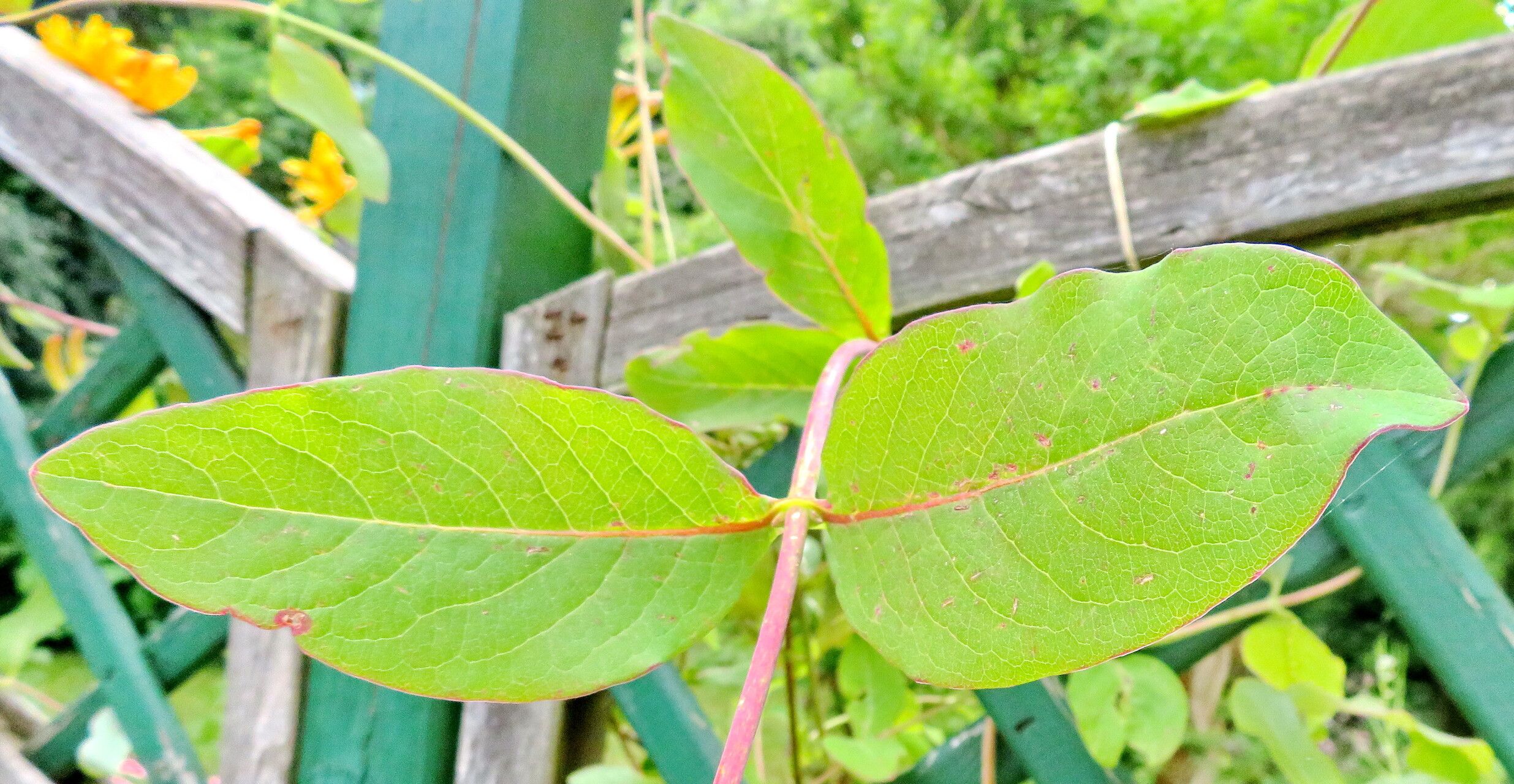
Unlocking the Secrets of Yellow Honeysuckle Propagation: A Guide for Blooming Success
The vibrant yellow blossoms of the Lonicera flava, commonly known as Yellow Honeysuckle, are a delight to behold. This North American native vine adds a touch of cheerful color and a sweet aroma to any garden. But did you know that propagating this beauty isn’t as daunting as it seems? Whether you’re a seasoned gardener or just starting out, this guide will equip you with the knowledge to multiply your yellow honeysuckle and share its charm.
Two Paths to Propagation:
There are two primary methods for propagating Lonicera flava:
1. Taking Cuttings:
This technique involves encouraging a section of the plant to develop roots and become a new independent plant.
- Timing is Key: The ideal time for taking cuttings is during the growing season, preferably in late spring or early summer when the plant is actively producing new growth.
- Selecting the Right Cuttings: Look for healthy, non-flowering stems about 4-6 inches long. Make a clean cut just below a leaf node (the point where the leaf attaches to the stem). Remove the lower leaves, leaving 2-3 pairs at the top.
- Rooting Hormone – A Helping Hand: Dipping the cut end in rooting hormone powder is recommended as it encourages faster and more successful root development.
- Creating the Perfect Environment: Plant the cuttings in a well-draining potting mix. Maintain moisture and humidity by covering the pot with a plastic bag or placing it in a propagator.
- Patience is a Virtue: It may take several weeks for roots to develop. Once you notice new growth, it’s a sign that your cuttings have successfully rooted and are ready for transplantation.
2. Layering:
This method utilizes the plant’s natural ability to form roots from a stem while it’s still attached to the mother plant.
- Choosing a Branch: Select a flexible, low-growing stem that can easily reach the ground.
- Preparing the Stem and Soil: Gently wound or lightly scrape the underside of the chosen stem to expose the cambium layer (the tissue responsible for root development). Bury this portion of the stem a few inches deep in the soil, ensuring good contact. You can use a small rock or a landscape staple to keep the branch securely in place.
- Mother Nature Takes the Reins: Over time, the buried section will develop roots. This usually takes a couple of months. Once the layered section has established a robust root system, you can carefully separate it from the parent plant.
Tips for Success:
- Well-Drained Soil: Lonicera flava thrives in well-drained soil. Avoid overwatering to prevent root rot.
- Sunlight Needs: While Yellow Honeysuckle can tolerate some shade, it blooms best with at least 6 hours of sunlight daily.
- Pest and Disease Control: Be vigilant about common pests and diseases that can affect your honeysuckle, such as aphids, powdery mildew, and leaf spot.
Propagation is a rewarding experience that connects you deeper to your garden. By following these guidelines, you can easily propagate your Lonicera flava and enjoy its cheerful blooms for years to come. Remember, patience and observation are your allies in this endeavor. So, get ready to multiply the beauty of Yellow Honeysuckle in your garden!