
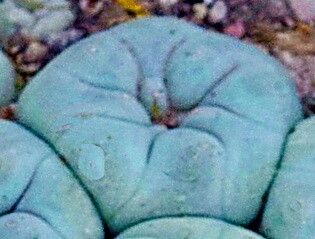
Taming the Wild: Propagating the Magical Lophophora diffusa
The Lophophora diffusa, also known as the “peyote” cactus, holds a unique place in both botany and human history. Its mescaline content has led to its use in various spiritual and medicinal contexts for centuries. However, due to its legality complexities, it’s crucial to emphasize that this article solely focuses on the fascinating propagation methods of this fascinating and controversial plant.
Legal Disclaimer: It’s essential to understand that the cultivation and possession of Lophophora diffusa are subject to strict regulations. Always ensure you comply with all local and national laws. This article is for informational and educational purposes only and does not endorse any illegal activities.
The Art of Cactus Propagation:
Like most cacti, Lophophora diffusa can be propagated using two primary methods: seeds and cuttings. Each method comes with its own set of advantages and drawbacks:
1. Seeding Success:
- Advantages: Seeds offer a fresh start and allow for genetic diversity, potentially producing new and unique variations of the plant. The process is relatively simple and accessible for beginners.
- Disadvantages: Seed germination can be slow, and proper care and environmental conditions are crucial for successful growth.
Steps to Propagate with Seeds:
- Gather Fresh Seeds: Obtaining viable seeds can be challenging, but reputable sources exist for those interested in cultivating Lophophora diffusa for research and educational purposes.
- Prepare the Soil: A well-draining cactus potting mix is crucial for seed growth. Avoid using heavy clay soils that retain moisture.
- Sowing the Seeds: Sow the seeds evenly on the surface of your prepared soil, gently pressing them in. Avoid overcrowding the seeds.
- Create a Greenhouse Effect: Cover the pot with a clear plastic wrap or dome to maintain humidity and prevent the seeds from drying out.
- Maintain Warmth: Keep the seeds in a warm, bright location, avoiding direct sunlight. Consistent temperatures around 75-85 degrees Fahrenheit are ideal for germination.
- Water Sparingly: Mist the soil very lightly as needed, ensuring that it stays moist but not soggy.
2. Cutting the Path to Growth:
- Advantages: Cuttings offer a faster way to propagate Lophophora diffusa, skipping the slow germination phase. They are typically more readily available than seeds.
- Disadvantages: Cuttings may not always be as successful as seeds, and the genetic diversity is limited.
Steps to Propagate with Cuttings:
- Choosing a Cutting: Select a healthy, disease-free stem cutting, ideally 1 to 2 inches long.
- Allow Callusing: Before planting, let the cutting callus over for several days. This allows the cut surface to dry and form a protective barrier, preventing rot.
- Prepare the Soil: Use a cactus potting mix and ensure good drainage.
- Planting the Cutting: Gently insert the calloused cutting into the prepared soil. Do not bury it too deep, as this can hinder root development.
- Water Sparingly: Keep the soil lightly moist after planting, but avoid overwatering that can lead to rot.
The Importance of Patience:
Propagation of Lophophora diffusa requires patience. It might take several months for seeds to germinate and even longer for seedlings to establish themselves. Similarly, cuttings can take time to root effectively.
The Journey Beyond:
Once your seedlings or cuttings have established themselves, you need to foster their growth by providing the right conditions. This includes:
- Sunlight: Lophophora diffusa prefers bright, indirect sunlight but can tolerate some shade.
- Water: Water sparingly, allowing the soil to dry out between waterings. Overwatering can lead to root rot.
- Temperature: Maintain a consistent temperature in the range of 70-85 degrees Fahrenheit.
- Fertilizing: Use a balanced cactus fertilizer diluted to half strength during the active growing season.
Remember, Responsible Cultivation is Key:
Always prioritize ethical and sustainable practices when propagating any plant. Respect the environment and the legal regulations surrounding the cultivation of Lophophora diffusa.
Through careful observation and patience, you can embark on the fascinating journey of propagating this unique and captivating plant, marveling at the resilience and beauty of Lophophora diffusa.