
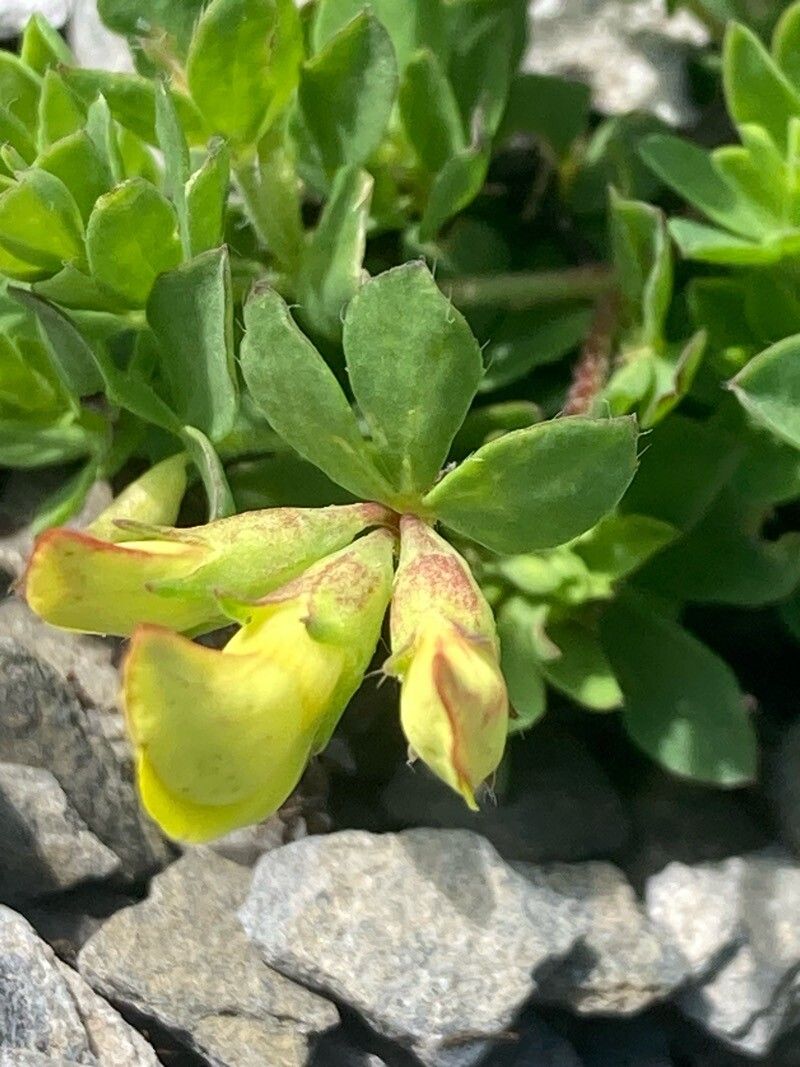
Propagating the Alpine Lotus (Lotus alpinus): A Gardener’s Guide
Introduction:
Lotus alpinus, commonly known as the Alpine Lotus, is a charming, low-growing perennial boasting bright yellow, pea-like flowers and delicate, silvery-green foliage. Native to the high altitudes of the European Alps, its hardiness and unique beauty have earned it a place among cherished alpine plants in gardens worldwide. However, its propagation is not without its challenges, making successful cultivation all the more rewarding. The plant’s adaptability to specific, high-altitude conditions presents hurdles for gardeners attempting to replicate its growth for propagation.
Seed Germination:
Currently, there are no known reliable methods for seed germination propagation of Lotus alpinus. While seeds may be produced, their germination rate is extremely low, even under optimal conditions mimicking its natural alpine environment. The specific requirements for successful seed germination remain largely unknown.
Cuttings:
Cuttings offer a more promising approach to propagating Lotus alpinus.
Challenges: The success rate of cuttings depends heavily on precise timing and technique. Taking cuttings from healthy, actively growing shoots is crucial. The delicate nature of the plant makes it susceptible to rot if not handled carefully.
Practical Tips: Take softwood cuttings in spring or early summer, using sharp, sterile tools. Dip the cut ends in rooting hormone before planting in a well-draining, moist (but not soggy) propagation mix, such as a peat and perlite blend. Maintain high humidity using a humidity dome or by misting regularly. Avoid direct sunlight. Bottom heat can aid root development.
Rewards: Cuttings provide a faster and more reliable method of propagation compared to seed germination, allowing for increased numbers of plants relatively quickly. They maintain the characteristics of the mother plant, preserving valuable cultivars.
Division:
Division is another viable method but with limitations.
Challenges: Lotus alpinus forms relatively small, compact clumps, limiting the number of divisions possible from a single plant. Disturbing the root system can be stressful, potentially leading to plant loss if not done carefully. This method is better suited for established, mature plants.
Practical Tips: Division should ideally be carried out in spring or early autumn when the plant is actively growing or beginning to slow down. Carefully dig up the plant, gently separate it into smaller sections, ensuring each division has sufficient roots and foliage. Replant immediately, ensuring the root ball is not disturbed excessively, and water thoroughly.
Rewards: Division is a relatively simple method once mastered and it provides a quick way to increase plant numbers with a high success rate if done appropriately.
Tissue Culture:
Tissue culture is a potentially valuable but specialized and complex method for Lotus alpinus propagation.
Challenges: Establishing aseptic conditions, selecting appropriate media, and developing protocols for Lotus alpinus specifically are highly challenging and would require significant horticultural expertise and laboratory equipment. It’s not a method easily implemented by home gardeners.
Practical Tips: This method is best left to experienced tissue culture laboratories. They would need to develop specific media and protocols suited to the needs of the species which might involve growth hormones, temperature controls, and light regulation.
Rewards: High propagation rates and the potential for disease-free plants are the major advantages. This method could be important for conservation efforts of rare cultivars or threatened populations of Lotus alpinus.
Conclusion:
Propagating Lotus alpinus presents distinct challenges regardless of the chosen method. While seed germination currently seems unfeasible, cuttings and division offer more realistic avenues for home gardeners. Tissue culture remains a complex option for large-scale production or conservation purposes. The rewards, however – cultivating this beautiful alpine jewel from a cutting or division, seeing it thrive in your garden – are substantial. The satisfaction of overcoming the obstacles and witnessing the successful growth of this delicate plant is uniquely rewarding for the dedicated gardener. Don’t be discouraged by initial setbacks; through careful technique, patience, and attention to detail, you can enjoy the beauty of Lotus alpinus and share its unique charm with others.