
Unfurling the Mystery: Propagating the Rare Beauty, Lotus lancerottensis
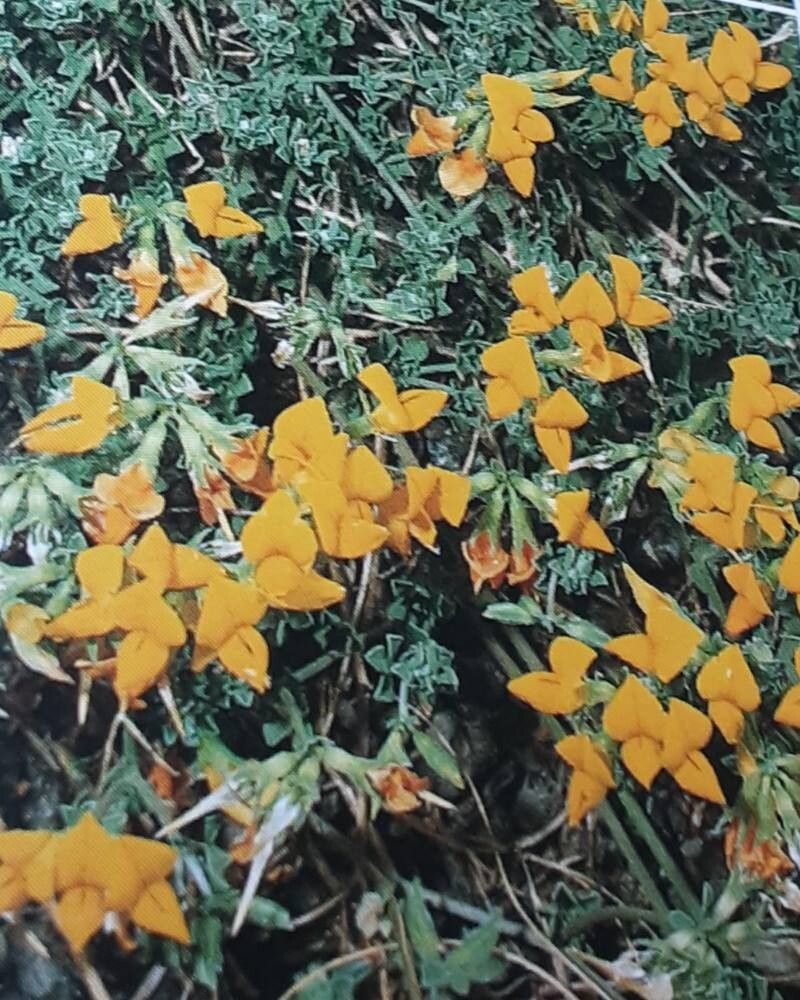
Lotus lancerottensis, the Lanzarote Lotus, is not your average garden variety plant. This delicate beauty, with its silvery leaves and vibrant yellow blooms, hails from the volcanic slopes of the Canary Islands, specifically Lanzarote. While its rarity makes it a coveted treasure for collectors, propagating Lotus lancerottensis can feel like navigating uncharted territory. But fear not, fellow plant enthusiasts, for we’re about to unravel the secrets to successfully multiplying this stunning species.
Seed Propagation: A Test of Patience
The most common method for propagating Lotus lancerottensis is through seeds, a journey that requires patience and a dash of botanical luck. Here’s how to embark on this rewarding endeavor:
- Source Your Treasure: Finding seeds might be the trickiest part. Reputable online nurseries specializing in rare plants are your best bet.
- Mimicking Nature: Sow the seeds in a well-draining, gritty compost mimicking their volcanic origins. A mix of peat-free compost, perlite, and a touch of horticultural grit does wonders.
- The Waiting Game: Keep the soil consistently moist but not waterlogged. Germination can be erratic, taking anywhere from a few weeks to several months. Patience, dear gardener, patience!
- Light and Warmth: Place the seed tray in a bright location, but avoid direct sunlight, which can scorch the delicate seedlings. Aim for a consistent temperature around 20-25°C (68-77°F).
Cuttings: A Quicker Route to Success?
While not as common as seed propagation, taking cuttings from established Lotus lancerottensis plants can be a viable option for experienced gardeners:
- Timing is Key: Early summer, when the plant is actively growing, offers the best chance of success.
- Select Wisely: Choose healthy, non-flowering stems around 10-15cm (4-6 inches) long.
- Prepare the Cutting: Remove the lower leaves, leaving a couple at the top. Dip the cut end in rooting hormone powder to encourage root development.
- Potting Up: Plant the cuttings in a similar compost mix used for seeds. Maintain moisture and provide indirect sunlight.
- Rooting Signs: After a few weeks, gently tug on the cutting. Resistance indicates successful rooting, and you can then transfer the cutting to its final pot.
Caring for Your Lanzarote Lotus Progeny
Whether you’ve nurtured your Lotus lancerottensis from seed or cutting, providing optimal growing conditions is crucial:
- Well-Drained Soil: Never let this plant sit in soggy soil. Remember, it thrives in arid, well-draining environments.
- Sunlight Lovers: Place your Lotus lancerottensis in a bright location receiving at least 6 hours of sunlight daily.
- Water Wisely: Water thoroughly when the top inch of soil feels dry. Avoid overwatering, which can lead to root rot.
- Feeding Time: During the growing season (spring and summer), feed your plant monthly with a balanced liquid fertilizer.
The Rewards of Patience
Propagating Lotus lancerottensis might require a touch more dedication, but the reward of witnessing this rare beauty flourish in your care is well worth the effort. So, gather your gardening tools and embark on this rewarding journey. The satisfaction of successfully growing Lotus lancerottensis is a treasure any plant enthusiast would cherish.