
Propagating Ludwigia grandiflora: A Guide to Growing the Water Primrose
Introduction:
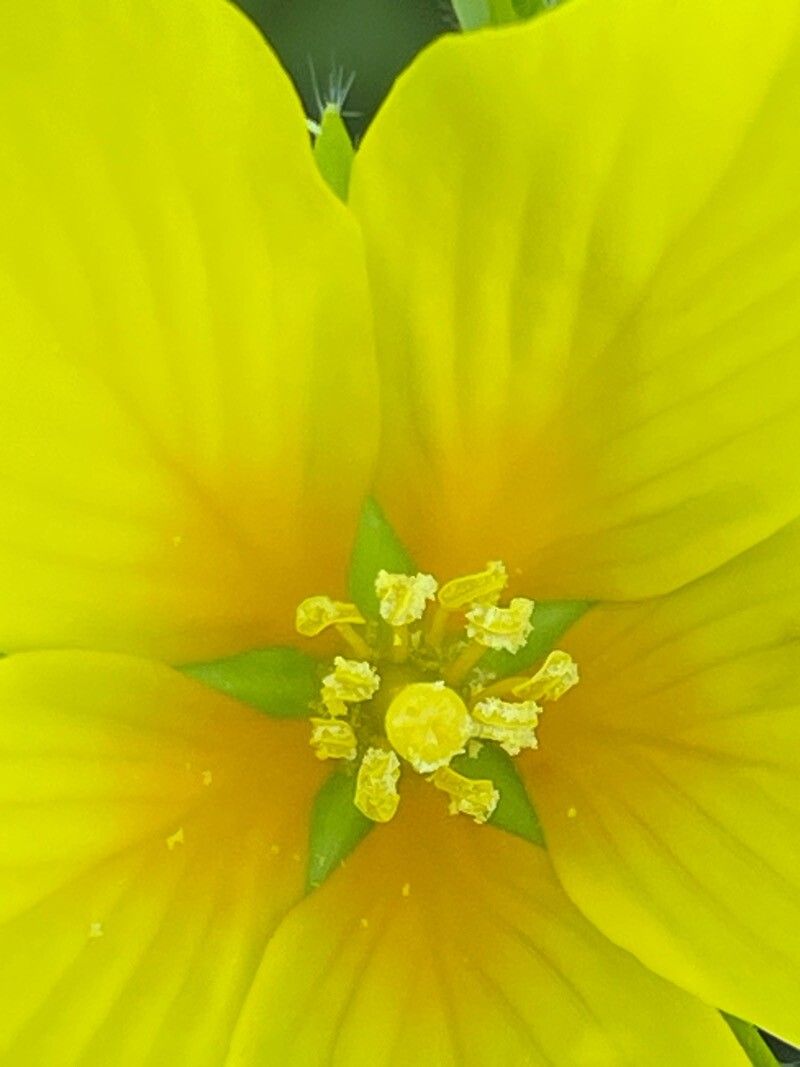
Ludwigia grandiflora, commonly known as the water primrose, is a striking aquatic or semi-aquatic plant admired for its vibrant yellow flowers and lush green foliage. Native to the Americas, it’s gained popularity among aquascapers and pond enthusiasts for its attractive appearance and relative ease of care in suitable conditions. Its vigorous growth habit, however, presents both challenges and opportunities when it comes to propagation. While it can be invasive in some environments, controlled propagation offers a sustainable way to enjoy this beautiful plant.
Seed Germination:
Currently, there are no known reliable methods for seed germination propagation of Ludwigia grandiflora. While the plant does produce seeds, their viability and germination rate are reportedly very low, making seed propagation impractical for most gardeners.
Cuttings:
Challenges: The primary challenge with cuttings is achieving a high success rate. Not all cuttings will root successfully.
Practical Tips: Stem cuttings are the most common and effective method. Take 4-6 inch cuttings from healthy, non-flowering stems. Remove lower leaves to prevent rot. Plant directly into moist soil or in water, ensuring at least one node is submerged. High humidity helps; placing the cuttings under a plastic dome or bag increases success. Regular misting and warmth are beneficial.
Rewards: Cuttings offer a straightforward method to quickly increase the number of plants, preserving the characteristics of the parent plant. It’s a relatively low-cost and accessible propagation technique.
Division:
Challenges: Division is best performed on established, mature plants. Dividing too small a section may lead to failure.
Practical Tips: The easiest way to divide Ludwigia grandiflora is during transplanting or repotting. Carefully separate the rhizomatous roots into sections, ensuring each division has a healthy portion of roots and several stems. Replant the divisions immediately, ensuring adequate spacing.
Rewards: Plant division offers a quick and simple method for increasing your plant stock, and it’s less technically demanding compared to other methods. It’s particularly useful for larger, established plants.
Tissue Culture:
Challenges: Tissue culture requires specialized equipment, sterile conditions, and a good understanding of plant tissue culture techniques. It is the most technically demanding method.
Practical Tips: Sterilizing the plant material and maintaining a sterile environment are crucial. Appropriate growth media and hormone supplements are needed for successful shoot and root development. This method is best undertaken in a dedicated laboratory setting.
Rewards: Tissue culture offers the highest potential for large-scale propagation and disease-free plants. It allows genetic uniformity and the potential for mass production.
Conclusion:
Propagating Ludwigia grandiflora presents unique challenges, varying depending on the chosen method. Seed germination is currently unreliable, while cuttings and division are more accessible but rely on certain environmental conditions and horticultural expertise to succeed consistently. Tissue culture provides the best potential for large-scale propagation but is the most complex method. Regardless of the chosen method, there are rewards: the satisfaction of successfully propagating this beautiful plant, whether it’s the joyful emergence of a new shoot from a cutting, the flourishing of a divided rhizome, or the gratifying yield of a tissue culture experiment. The key to success lies in patience, attention to detail, and a thorough understanding of the specific needs of Ludwigia grandiflora. For many, the challenge of propagation and the subsequent flourishing of this vibrant plant are precisely what make its cultivation so rewarding. Don’t be discouraged by initial setbacks—persevere, learn from your experiences, and appreciate the journey as much as the successful outcome.