
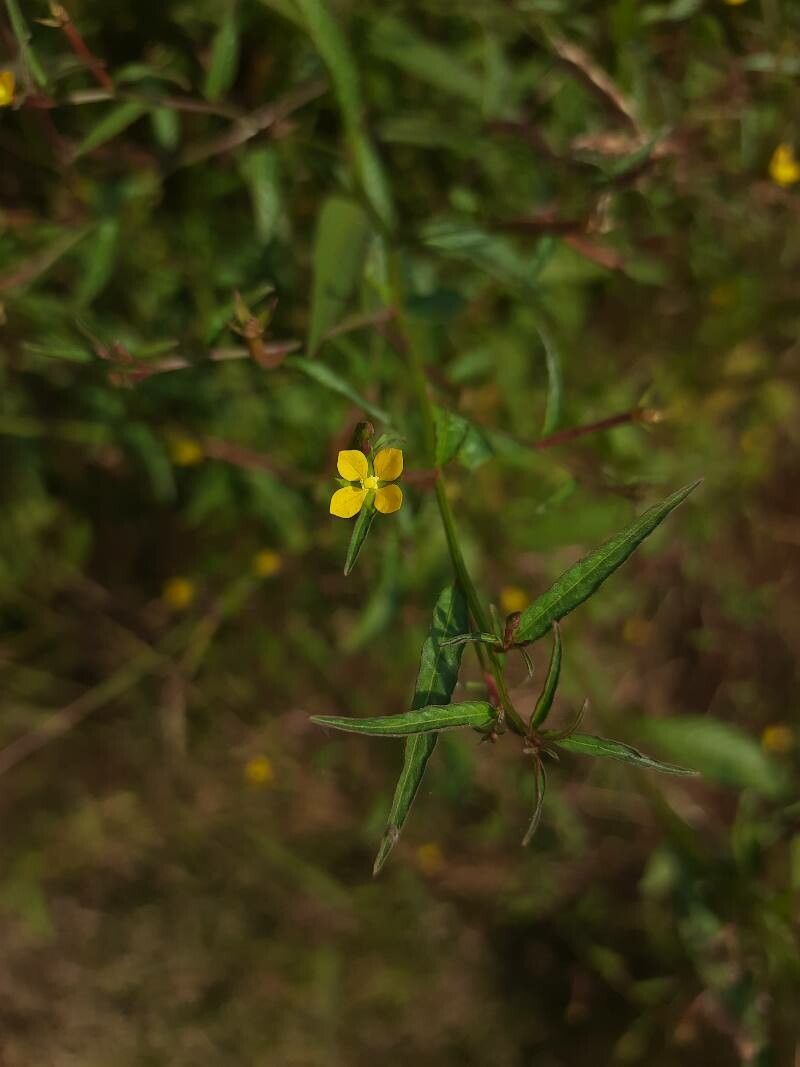
Propagating Ludwigia perennis: A Guide for Gardeners
Introduction:
Ludwigia perennis, commonly known as creeping primrose-willow or water primrose, is a charming, low-growing perennial herb prized for its vibrant yellow flowers and attractive foliage. This versatile plant thrives in moist to wet soils, making it ideal for bog gardens, pond margins, and even as a groundcover in consistently damp areas. Its adaptability and ease of propagation in certain methods make it a popular choice among aquatic plant enthusiasts. However, some propagation methods present unique challenges. Let’s delve into the various techniques available.
Seed Germination:
Currently, there are no known reliable methods for seed germination propagation of Ludwigia perennis. While the plant does produce seeds, germination rates are extremely low, and successful cultivation from seed remains largely undocumented. Further research is needed to determine optimal germination conditions, if such conditions exist at all.
Cuttings:
Challenges: While relatively straightforward, success with cuttings depends on several factors, primarily the timing and the health of the parent plant. Using softwood cuttings taken in the spring or summer generally yields better results.
Practical Tips: Take 4-6 inch cuttings from healthy, actively growing stems. Remove lower leaves to prevent rot and dip the cut ends in rooting hormone before planting into moist, well-draining propagation mix. Maintain high humidity (e.g., using a humidity dome or plastic bag) and consistent moisture. Place in bright, indirect light.
Rewards: Cuttings offer a simple and effective method for creating numerous clones of a desirable plant. It’s quick, reliably producing new plants in a relatively short timeframe, often within a few weeks.
Division:
Challenges: Division is most successful when performed during the spring or early summer, as the plant is actively growing. Overly aggressive division can stress the plant, potentially leading to reduced vigor or even plant death. It’s also crucial to ensure each division has healthy roots and sufficient above-ground growth.
Practical Tips: Carefully lift the established clump from the ground. Use a sharp knife or spade to divide the plant into several smaller sections, making sure each section contains a healthy portion of roots and stems. Replant immediately, ensuring adequate spacing and maintaining consistent moisture.
Rewards: Division is a rapid method of increasing the number of plants without specialized equipment or techniques. It also offers a straightforward way to rejuvenate older, overcrowded clumps.
Tissue Culture:
Challenges: Tissue culture requires specialized equipment, a sterile environment, and a good understanding of plant tissue culture techniques. It is a more advanced method, demanding significant time investment and technical skill. Sterility is crucial to prevent contamination that could ruin entire batches.
Practical Tips: Small sections of sterile plant tissue (e.g., nodal segments) are cultured on a nutrient-rich agar medium. Once the plantlets develop sufficient size, they are transferred to individual pots containing suitable growing media.
Rewards: Tissue culture offers the possibility of mass propagation of Ludwigia perennis, producing a large number of genetically identical plants in a relatively short period. This is particularly valuable for commercial operations or for the conservation of rare or threatened genotypes.
Conclusion:
Propagating Ludwigia perennis presents varying levels of challenge depending on the method chosen. While seed germination remains elusive, cuttings and division offer readily accessible and effective options for the home gardener. Tissue culture, though more complex, presents opportunities for large-scale propagation. The rewards, however, are worth the effort. Successfully nurturing a newly propagated Ludwigia perennis, whether from a cutting or through division, provides a unique sense of accomplishment and a deeper connection to the natural world. The vibrant yellow flowers and lush green foliage of this hardy plant are a testament to the dedication and patience of the successful propagator. So, embrace the challenge; the beauty of this vibrant little plant is well worth the effort!