
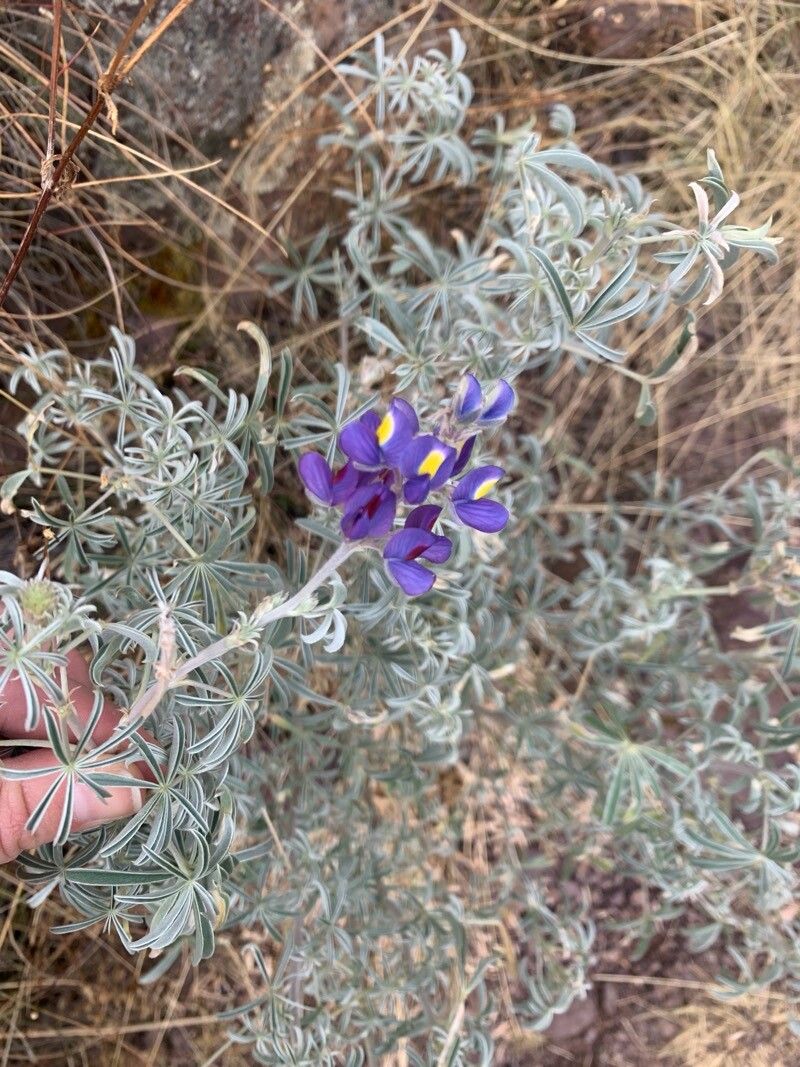
Taming the Wild: Propagating the Majestic Alpine Lupine (Lupinus altimontanus)
The Alpine Lupine (Lupinus altimontanus), with its striking blue-violet flower spikes and ability to thrive in challenging alpine conditions, is a prized addition to any garden. But how do you bring this beauty home and nurture it in your own landscape? The answer lies in propagation – the art of creating new plants from existing ones.
While this specific lupine might be less commonly found in commercial settings compared to its close relatives, fear not! Understanding the basic principles of propagation allows you to take cuttings or utilize seeds to grow your very own Alpine Lupine.
The Seed Method: Bringing New Life from Bloom
The most accessible way to propagate the Alpine Lupine is by seed. Once the flowers fade, they give way to seed pods. These pods, once dry and brown, contain the seeds for future generation.
- Harvesting Seeds: Carefully collect the seed pods when they become fully ripe and dry. Store them in a cool, dry place until you’re ready to sow.
- Sowing Timeline: The best time to sow Lupine seeds is in the autumn or early spring.
- Planting Technique: Opt for a seed tray or individual pots filled with a well-draining seed compost. Sow the seeds thinly and cover them lightly with the compost. Keep the soil moist and in a bright but indirect light setting.
- Patience is Key: Seed germination can take anywhere between 2 to 4 weeks.
Taking It to the Next Level: Seedling Care
Once your Lupine seedlings have emerged, they require special attention:
- Thinning: If you sowed your seeds in a seed tray, thin out the weaker seedlings to give the stronger ones space to grow.
- Hardening Off: As the seedlings grow, gradually acclimate them to outdoor conditions by placing them in a sheltered location for a few hours each day. This helps them adjust to the sun and wind.
- Planting Time: Lupine seedlings are typically ready for transplanting in the spring or once the last frost has passed. Choose a sunny location with well-drained soil and ensure adequate spacing between plants.
Beyond Seeds: The Art of Cuttings
Although less common with Lupine, stem cuttings can be successfully used for propagation. Here are the steps:
- Choosing the Right Cuttings: Select young, healthy stems that are just starting to harden.
- Preparation: Use a sharp knife or shears to cut the stems just below a node (the area where leaves grow). Remove the lower leaves and treat the cut ends with a rooting hormone to encourage root growth.
- Planting: Insert the cuttings into pots filled with a well-draining rooting medium, such as a mix of peat moss and perlite. Keep the soil moist and maintain a warm, humid environment.
- Patience and Perseverance: Root formation can take several weeks, so patience is paramount.
Nurturing Your Alpine Lupine
Whether you choose the seed or cutting method, providing proper care will ensure your Alpine Lupine thrives in its new environment:
- Watering: Lupines prefer consistently moist soil, especially during their initial stages of growth. Water deeply but allow the soil to dry slightly between waterings.
- Sunlight: Choose a sunny location for your Lupine, as they need at least 6 hours of direct sunlight per day.
- Deadheading: Regularly remove spent flower stalks to encourage continuous blooming and prevent the plant from expending energy on seed production.
- Fertilizing: You can feed your Lupine with a balanced fertilizer during the growing season for optimal growth and flower production.
The Rewards of Propagation
Propagating the Alpine Lupine is a rewarding experience. You’ll gain a sense of accomplishment as you watch your seedlings grow and bloom, and you’ll have the added satisfaction of knowing you’ve contributed to the preservation of this beautiful plant.
So, whether you’re a seasoned gardener or a curious beginner, embrace the world of propagation and witness the magic of bringing the Alpine Lupine into your own garden. It is an endeavor that will reward you with vibrant blooms and a deeper appreciation for the intricate beauty of nature.