
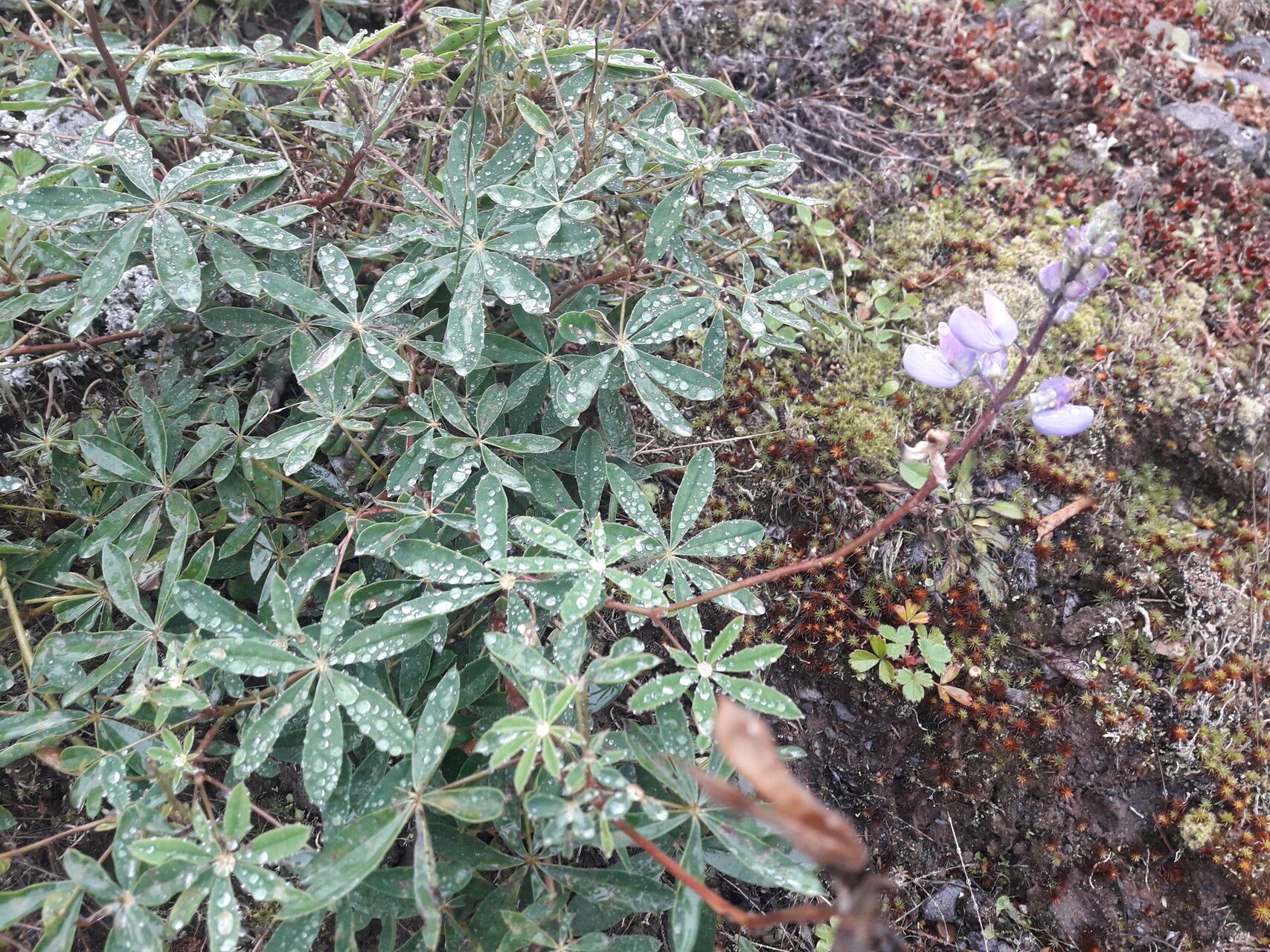
Bringing the Arctic Home: Propagating Lupinus Arcticus
The Arctic lupine (Lupinus arcticus) is a stunning wildflower, known for its vibrant purple blossoms that brighten the harsh landscapes of the Arctic. More than just a pretty face, this hardy plant is also an important part of the ecosystem, providing food for wildlife and pollinators. If you’re looking to add a touch of Arctic beauty to your garden, propagating Lupinus arcticus is a rewarding and surprisingly easy way to do so.
Seed Propagation: Bringing New Life from the Ground Up
The most common and effective method for propagating Arctic lupines is through seed. These seeds are readily available from specialty plant nurseries or online retailers. Here’s how to get started:
- Timing is Key: Fall is the ideal time to sow Arctic lupine seeds outdoors. The cold stratification of winter helps break dormancy and promotes successful germination. You can also sow seeds indoors in late winter to get a head start.
- Preparing the Bed: Choose a sunny spot with well-drained soil. Lupines prefer acidic conditions, so incorporating some peat moss into the soil is beneficial. Scratch the surface of the soil lightly and sow the seeds directly into the ground.
- Germination Patience: Arctic lupine seeds can take several weeks to germinate, so be patient! Keep the soil consistently moist but not waterlogged. Once seedlings emerge, thin them out to give them adequate space to grow.
Division: A Quick Way to Multiply
While seed propagation is the most reliable method, you can also propagate Arctic lupines through division, especially if you already have a mature plant in your garden. This method allows for quicker results than starting from seed.
- Timing Matters: Spring, after the threat of frost has passed, is the perfect time for division.
- Gentle Excavation: Dig around the parent plant carefully, exposing the roots.
- Separating the Offsets: Use a sharp knife or a spade to carefully divide the plant into smaller sections, each with healthy roots and foliage.
- Replanting: Plant the divisions in well-prepared soil, keeping them well watered until they establish themselves.
Important Tips for Success
- Soil Condition: Arctic lupines thrive in acidic soils. Ensure your soil pH is between 5.5 and 6.5.
- Water Management: These plants prefer moist soils but can tolerate some drought conditions. Avoid overwatering, which can lead to root rot.
- Pest and Disease Prevention: Regularly inspect your plants for any signs of pests or diseases. Treating promptly can prevent further damage.
- Fertilizing: Minimal fertilization is required, but a slow-release fertilizer applied in spring can boost growth.
Bringing a Piece of the Arctic Home
Propagating Arctic lupines can be a rewarding experience for gardeners of all levels. With a little patience and the right approach, you can bring the dazzling beauty of this iconic wildflower to your own backyard and enjoy its vibrant blooms for years to come. Not only will you have a stunning addition to your garden, but you’ll also be contributing to the conservation of this important Arctic species, ensuring its resilience for future generations.