
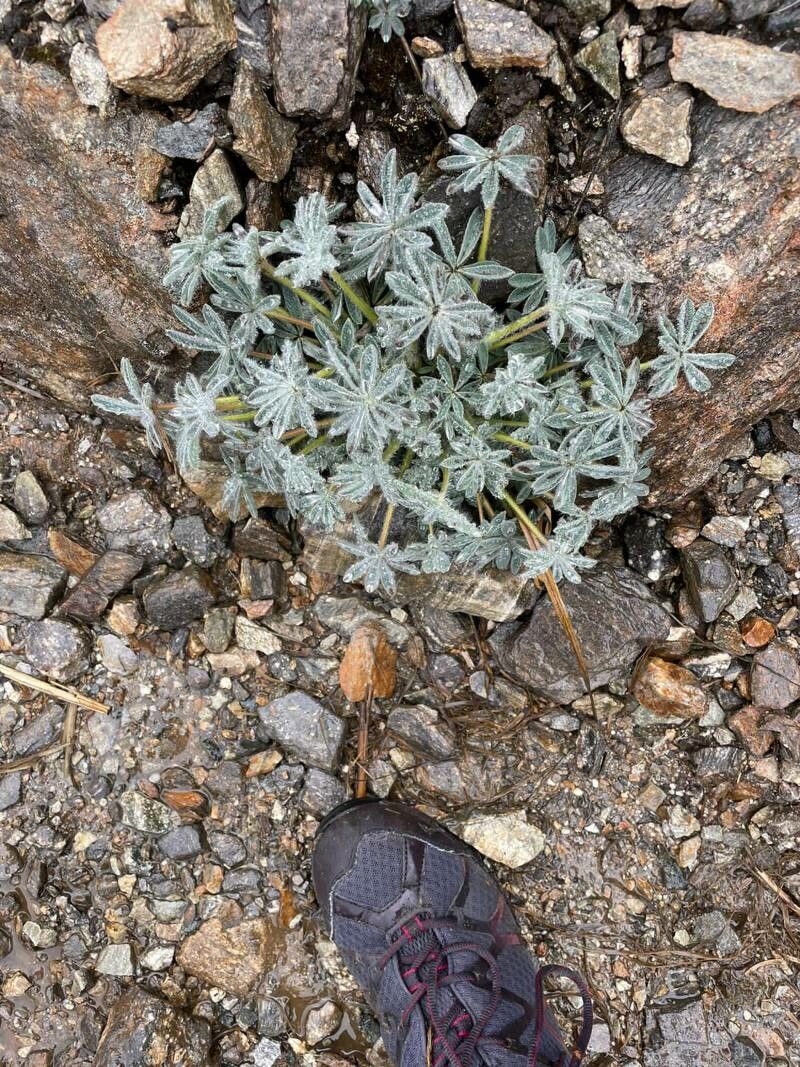
Taming the Wildflower: Propagating the Stunning Sky Lupine (Lupinus meridanus)
The Sky Lupine (Lupinus meridanus), with its towering spires of vibrant blue blossoms, is a sight to behold. This California native wildflower, also known as the Pride of California, adds a touch of untamed beauty to any landscape. But bringing this wild charm into your garden isn’t just a matter of picking a few stems; it requires understanding the art of propagation.
This guide will equip you with the knowledge to successfully grow new Sky Lupines, whether you’re starting with seeds or cuttings.
Method 1: Seed Starting – A Test of Patience
Propagating Sky Lupines from seed is a rewarding, though slightly more challenging, method.
- Seed Collection: Collect mature seed pods directly from the plant in late summer or early fall. Look for pods that have turned brown and brittle.
- Scarification: Lupine seeds have a hard outer coating that needs to be gently “roughed up” to improve water absorption. You can achieve this by lightly rubbing the seed between two pieces of sandpaper or nicking it with a nail clipper.
- Cold Stratification: Mimic nature’s process by placing the scarified seeds in a sealed plastic bag with a damp paper towel for 4-6 weeks in the refrigerator. This chilling period helps break seed dormancy.
- Sowing: Sow the stratified seeds in a seed-starting mix, pressing them lightly into the surface. They prefer well-draining soil and a sunny location.
- Patience is Key: Germination can be erratic, taking anywhere from 2 weeks to several months. Maintain consistent moisture and a temperature around 70°F (21°C) for optimal results.
Method 2: Cuttings – A Faster Route to Blooms
Taking cuttings offers a faster and more reliable method for propagating Sky Lupines, especially for preserving desirable traits of specific plants.
- Timing is Crucial: The best time to take cuttings is in spring, just as new growth emerges.
- Select Healthy Shoots: Choose vigorous, non-flowering stems that are approximately 4-6 inches long.
- Prepare the Cuttings: Using a sharp, sterilized knife or pruning shears, make a clean cut just below a leaf node (where the leaf attaches to the stem). Remove leaves from the bottom half of the cutting.
- Encourage Root Development: Dip the cut end in rooting hormone powder to enhance root development.
- Plant the Cuttings: Insert the cuttings into a well-draining potting mix, burying at least one leaf node.
- Keep Humidity High: Cover the pot with a plastic bag or humidity dome to maintain a moist environment.
- Be Patient and Observant: It may take several weeks for roots to form. Once new growth appears, you’ll know your cuttings have successfully rooted.
Caring for Your Sky Lupine Progeny
Whether you choose seeds or cuttings, remember that Sky Lupines thrive in well-drained soil and sunny locations. Water regularly, especially during dry spells, and fertilize sparingly with a balanced fertilizer. With a little effort, you can enjoy the captivating beauty of Sky Lupines blooming in your own backyard.
Remember, propagating native wildflowers like the Sky Lupine not only adds vibrancy to your garden but also supports local ecosystems and contributes to biodiversity. So, go ahead, embrace the challenge, and let your green thumb shine!