
Taming the Wildflower: Propagating Majestic Mountain Lupines (Lupinus montanus)
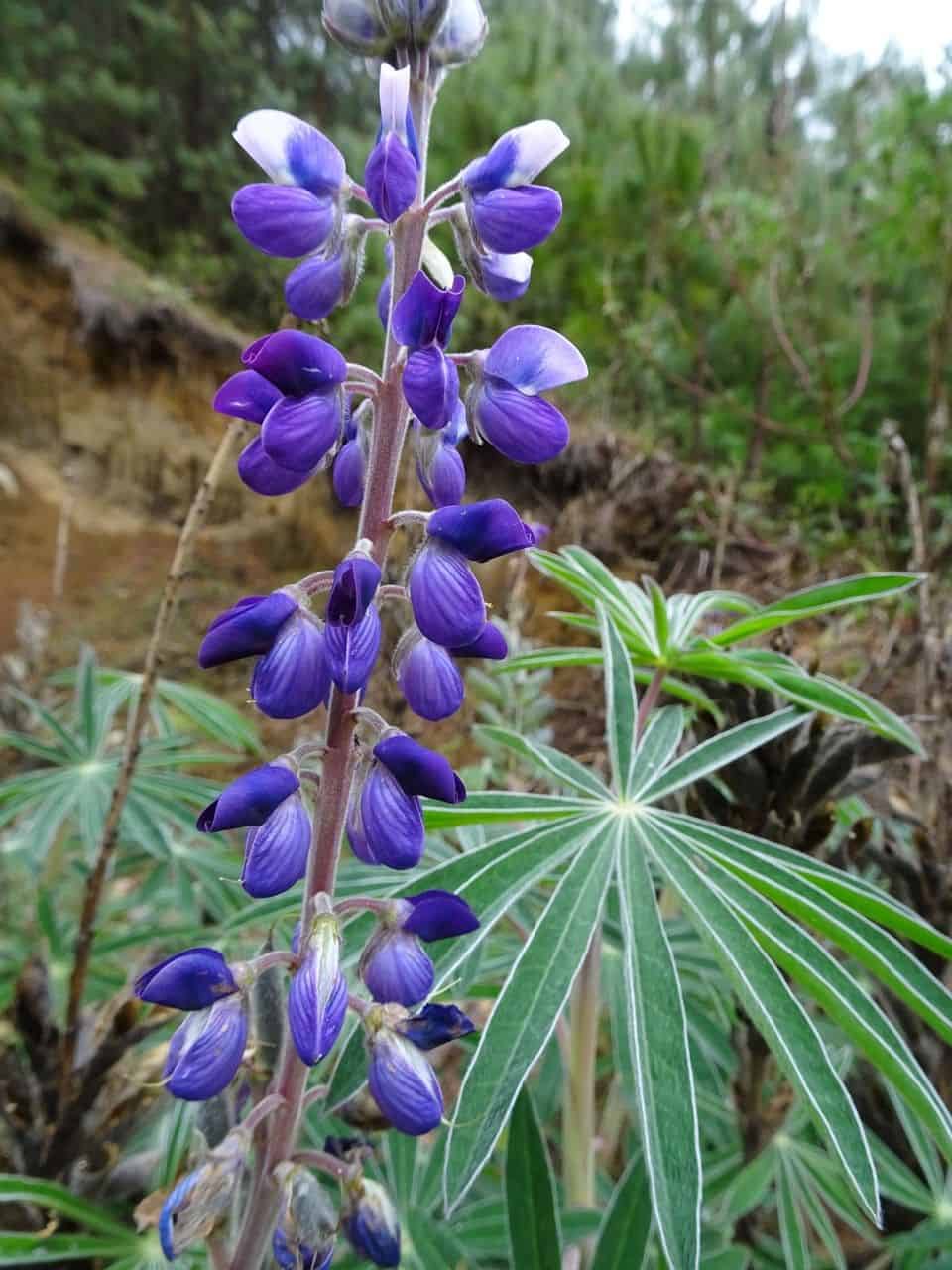
The sight of Lupinus montanus, commonly known as the Mountain Lupine, is enough to stop anyone in their tracks. Vivid blue to purplish-blue flower spikes rise regally amidst a sea of green foliage, painting mountain meadows with breathtaking beauty. While admiring these wildflowers in their natural habitat is a joy, many gardeners yearn to welcome this wild charm into their own spaces. If you’re ready to embark on the rewarding journey of propagating Lupinus montanus, let’s explore the most effective methods:
1. Starting from Seed: Embracing the Wild Spirit
Propagating Lupinus montanus from seed mirrors the plant’s natural life cycle and offers a fulfilling sense of accomplishment. Here’s how:
- Seed Collection: Collect mature seed pods directly from the plant in late summer or early fall. Look for pods that have turned brown and dry, indicating ripeness.
- Scarification: Lupine seeds have a hard outer coating that needs a helping hand to break down. Gently rub the seeds between two pieces of sandpaper or nick them with a nail clipper.
- Cold Stratification: Mimic nature’s winter chill by placing the scarified seeds in a moist paper towel inside a sealed plastic bag. Store them in the refrigerator for 4-6 weeks.
- Sowing: In spring, sow the stratified seeds in seed trays filled with a well-draining seed starting mix. Plant seeds ¼ inch deep and keep the soil consistently moist.
- Transplanting: Once seedlings develop a few sets of true leaves, transplant them to individual pots or directly into your garden after the last frost has passed.
2. Basal Cuttings: A Shortcut to Success
For a quicker and sometimes more reliable method, consider basal cuttings. This technique involves taking cuttings from the base of the plant in early spring:
- Take Cuttings: Look for new growth at the base of the plant and use a sharp, sterilized knife or pair of scissors to take cuttings about 3-4 inches long.
- Prepare Cuttings: Remove the lower leaves from the cutting, leaving only a few at the top. Dip the cut end in a rooting hormone (optional but helpful).
- Plant Cuttings: Plant the cuttings in a pot filled with a well-draining, moisture-retentive mix, such as a perlite and vermiculite blend.
- Encourage Rooting: Cover the pot with a clear plastic bag or humidity dome to create a warm, humid environment.
- Transplanting: After 4-6 weeks, gently tug on the cuttings to check for resistance, indicating root development. Once rooted, transplant them to larger pots or directly into your garden.
Tips for Success:
- Well-Drained Soil: Lupinus montanus thrives in well-drained soil and is susceptible to root rot in overly wet conditions.
- Sunlight Requirements: Plant your lupines in an area that receives at least 6 hours of direct sunlight each day.
- Watering: Water regularly during the first growing season to establish a strong root system. Once established, lupines are relatively drought tolerant.
- Support: Taller varieties may benefit from staking to prevent flopping.
Propagating Lupinus montanus, whether from seed or cuttings, is an exciting endeavor. With patience, care, and a little bit of green-thumb magic, you’ll be rewarded with these magnificent wildflowers gracing your garden, bringing a touch of untamed beauty to your doorstep.