
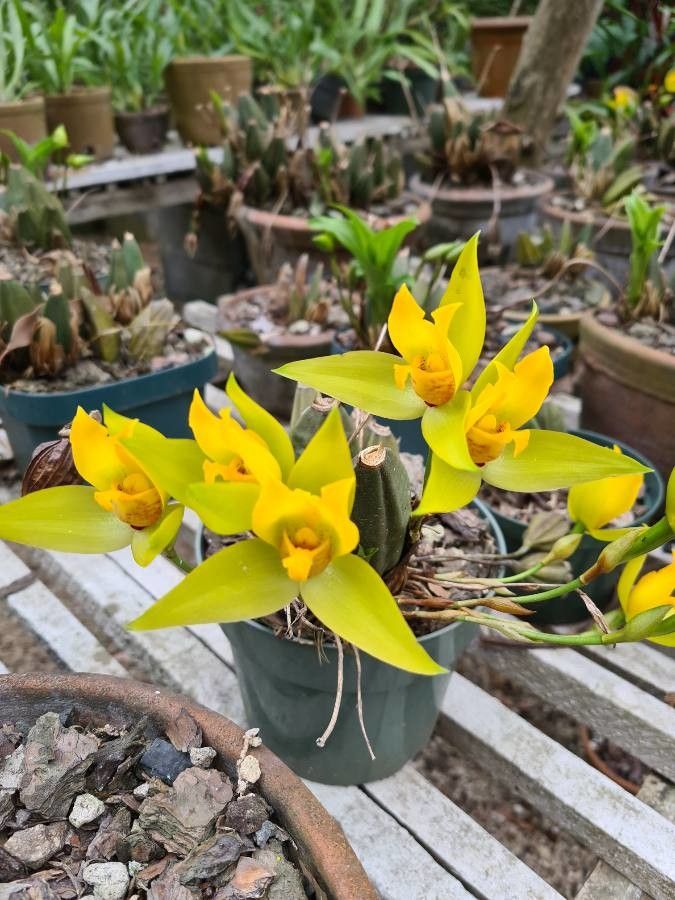
Propagating Lycaste cruenta: A Guide to Growing the Fiery Lycaste
Lycaste cruenta, also known as the Fiery Lycaste, is a captivating orchid species prized for its striking, intensely colored flowers. These blooms, typically ranging from deep crimson to scarlet and often featuring contrasting markings, emerge from pseudobulbs, adding to the plant’s unique charm. Its relative ease of culture within a home environment, coupled with its visually stunning displays, has earned it a considerable following among orchid enthusiasts. However, propagating this beautiful orchid presents several challenges, making success all the more rewarding.
Seed Germination:
Currently, there are no known reliable methods for seed germination propagation of Lycaste cruenta. Orchid seeds are notoriously tiny and lack endosperm, requiring a symbiotic relationship with specific mycorrhizal fungi for germination. Establishing this symbiotic relationship in a controlled environment is exceptionally difficult, even for experienced orchid growers, and this symbiotic relationship has yet to be reliably replicated for Lycaste cruenta. Therefore, seed germination is not a practical method for propagating this species.
Cuttings:
Lycaste cruenta cannot be propagated from stem cuttings. Unlike some other plants, Lycaste lack the capacity for adventitious root and shoot formation from stem sections. Attempts at propagation through cuttings will almost certainly fail.
Division:
Division is the most reliable method for propagating Lycaste cruenta. This involves separating mature plants into individual pseudobulbs with attached roots.
Challenges: Successful division requires a mature plant with several healthy pseudobulbs and a well-developed root system. Dividing a plant too early can severely weaken or kill it. Careful handling is crucial to avoid damaging the fragile roots and pseudobulbs.
Practical Tips: Divide the plant during its dormant period (usually after flowering). Use a sharp, sterilized knife or shears to cleanly separate the pseudobulbs. Ensure each division has at least three pseudobulbs and a good root system. Plant the divisions in a well-draining orchid potting mix. Maintain high humidity and avoid overhead watering, opting for bottom watering instead until new growth appears.
- Rewards: Division is relatively straightforward and provides a quick way to increase your collection. It ensures the preservation of the parent plant’s desirable traits.
Tissue Culture:
Tissue culture offers a potentially high-yield method for propagating Lycaste cruenta, albeit requiring specialized equipment and skills.
Challenges: Tissue culture is a complex process requiring a sterile environment, specialized nutrient media, and a considerable understanding of plant tissue biology. Contamination is a significant risk, potentially ruining the entire culture.
Practical Tips: This method is best left to laboratories or experienced hobbyists with specialized equipment and knowledge. Protocols specifically developed for Lycaste cruenta may be required for optimal results. Sterilization of all materials is paramount to avoid contamination.
- Rewards: Tissue culture allows for large-scale propagation, producing many genetically identical plants, particularly valuable for preserving rare clones or expanding commercial production.
Conclusion:
Propagating Lycaste cruenta presents distinct challenges. While seed germination and cuttings are impractical, division offers a reliable, albeit limited, method for the keen home grower. Tissue culture provides the potential for large-scale propagation but necessitates specialized expertise and facilities. The difficulty inherent in successfully propagating this species, however, only magnifies the satisfaction that comes with witnessing a new plant emerge and flourish because of your efforts. The beauty of a blooming Fiery Lycaste, born from your dedication and patience, is a testament to perseverance and a rewarding addition to any orchid collection. So embrace the challenge – with careful attention and the right technique, you too can enjoy the fruits of your labor.