
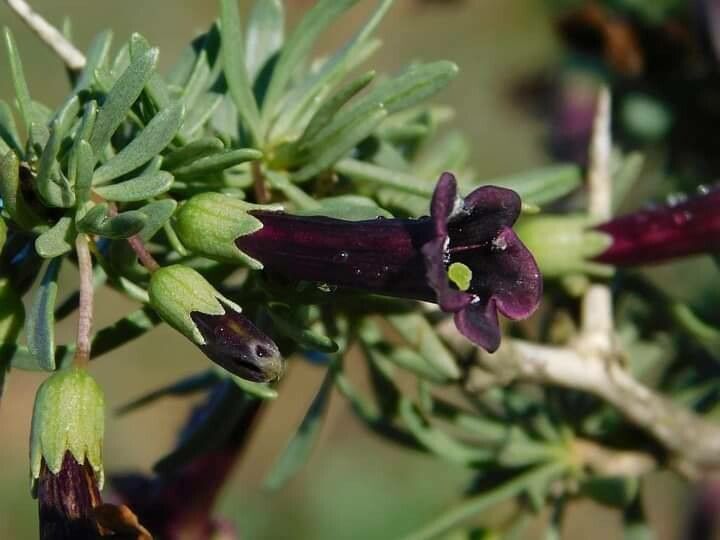
Unveiling the Secrets of Lycium afrum Propagation: From Seed to Shrub
Lycium afrum, also known as the African Boxthorn, is a resilient and striking shrub native to South Africa. Adorned with delicate purple flowers and vibrant red berries, this plant can be a beautiful and unique addition to your garden. But how do you get your hands on one, and more importantly, how do you propagate it successfully? This guide will walk you through the ins and outs of Lycium afrum propagation, empowering you to grow this captivating plant.
Two Roads to Success: Seeds and Cuttings
Lycium afrum generously offers two main methods of propagation: seeds and cuttings. Each has its own advantages and challenges, so let’s explore them.
1. The Seed Route: A Journey of Patience
Propagating Lycium afrum from seed is a rewarding experience, albeit one that requires patience. Here’s how:
- Harvesting Seeds: Collect ripe berries from an existing plant, ensuring they are plump and vibrant. Extract the seeds by gently crushing the berries and rinsing away the pulp.
- Sowing the Seeds: Sow the seeds in a well-draining seed starting mix, barely covering them with a light sprinkling of soil. Water gently and place the tray in a warm, bright location, avoiding direct sunlight.
- Germination: Be prepared to wait, as Lycium afrum seeds can take anywhere from a few weeks to a few months to germinate. Be patient, and keep the soil consistently moist but not waterlogged.
- Transplanting Seedlings: Once your seedlings have developed a few sets of true leaves, they are ready to be transplanted into individual pots. Choose a well-draining potting mix and handle the seedlings with care.
2. The Cutting Edge: A Quicker Approach
If you’re seeking quicker results, propagating from cuttings is the way to go:
- Taking Cuttings: In late spring or early summer, take cuttings from healthy, non-flowering branches. Each cutting should be around 4-6 inches long. Remove the leaves from the bottom inch of the cutting.
- Encouraging Root Development: Dip the cut end of each cutting in rooting hormone to encourage root development. This step is optional but often increases success rates.
- Planting the Cuttings: Plant each cutting in a pot filled with a well-draining potting mix, ensuring the bottom node (where you removed the leaves) is buried. Water thoroughly.
- Creating a Humid Environment: Cover the pots with a clear plastic bag or use a propagation dome to create a warm, humid environment. This will help prevent the cuttings from drying out.
- Transplanting Rooted Cuttings: After about 6-8 weeks, gently tug on the cuttings to check for resistance. If you feel resistance, it indicates root development. At this point, carefully transplant the rooted cuttings into individual pots filled with well-draining potting mix.
Nurturing your Lycium afrum
Regardless of your chosen propagation method, proper care is crucial for the success of your Lycium afrum:
- Sunlight: Provide your plants with at least 6 hours of direct sunlight each day.
- Water: Water deeply but infrequently, allowing the soil to dry out slightly between waterings.
- Soil: A well-draining soil mix is essential to prevent root rot.
- Fertilizer: Fertilize your Lycium afrum every 4-6 weeks during the growing season with a balanced fertilizer.
Propagating your Lycium afrum can be a rewarding experience, allowing you to witness the plant’s life cycle firsthand. By following these tips, you’ll be well on your way to nurturing a thriving African Boxthorn in your own garden.